How a hard wash wears clothes extra
Short answer: A hard wash means high temperature, fast spinning and strong drum movement all at once. Each of the three wears the fabric, and together they wear it far more than any one alone. A gentler wash can therefore help your clothes last longer.
Heat softens the fibre
At high temperature, wet fibres become softer and give way more easily to the movement of the drum. This applies to both the yarn and the seams. When heat is added to a long wash time, the fabric loses a little of its shape each time. A lower temperature is usually plenty for everyday clothes.
Movement rubs the surface
Strong tumbling rubs garments against each other and against the drum wall for a full hour. The friction loosens small fibre ends, and the surface becomes duller and fuzzier over time. A shorter programme with calm movement gives a better result in the long run. See all bamboo socks for women.
Spinning presses and stretches
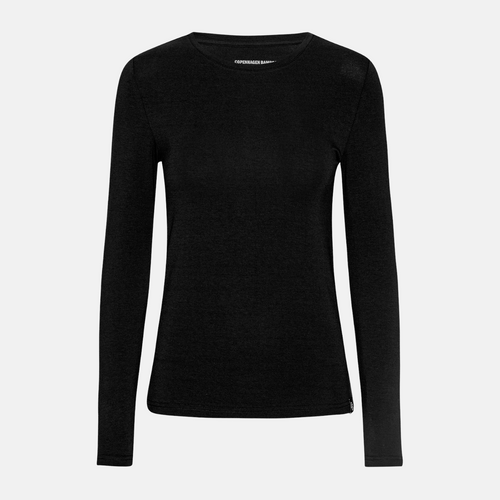
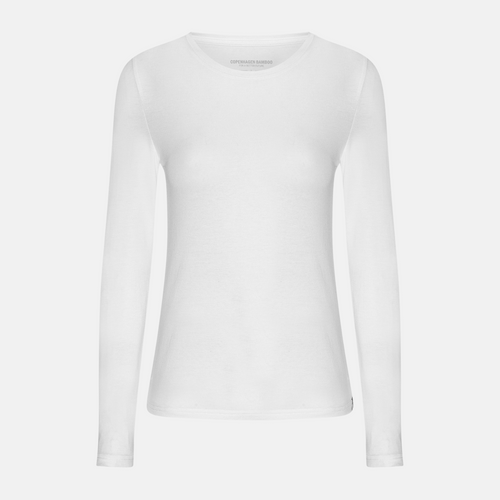
At high spin speeds, garments are pressed hard against the drum wall and pulled out of shape. Knitwear and close fitting clothes can lose some of their fit if they are spun hard every time. Choose fewer revolutions. Read more about women's long sleeved bamboo t-shirts and bamboo socks for women.
Three factors add up
Each factor costs a little on its own, but together they reinforce one another. Warm water softens the fibres, the drum rubs on the softened fibres, and spinning pulls the garment out while it is still wet. Changing just one of the three is often enough to notice a difference.
Detergent does most of the work
Many people believe high heat and a harsh programme are needed to get clothes clean, but the detergent does most of the work. For ordinary everyday dirt, a gentle wash is entirely sufficient. Use the amount printed on the pack for your machine and give it time to work.
How to wash more gently
Start by lowering the temperature, since that is the easiest change. Then choose a gentle programme with fewer revolutions, and turn garments inside out so the surface is protected from friction. Wash similar colours and fabrics together, and avoid washing heavy items like towels and jeans with delicate pieces.
When a hard wash is needed
There are situations where a hot wash makes sense. With heavy soiling, or when something must be washed for hygiene reasons, you can choose a higher temperature. Read the care label first, so you know what the fabric tolerates. Afterwards, return to the gentle wash so the hot one stays the exception.
Drying counts too
Drying is part of the wear. A hot tumble dryer rubs and heats the clothes once more, so they meet the same stresses again. Air drying on a rack is far gentler. Shape the garment lightly while it is wet, and let it dry flat if the fabric is heavy and sags when hung.
Small habits add lifespan
Small habits add up over many washes. Lower the temperature, choose fewer revolutions, fill the drum sensibly and let clothes air dry, and they keep their shape and appearance longer. You do not need to change everything at once. Begin with one thing and see after a few weeks whether the lifespan feels different.
Frequently asked questions
When is a hard wash necessary
With heavy soiling or when something must be washed for hygiene reasons. Read the care label first, and go back to a gentle wash afterwards so the clothes wear no more than needed.
Can I change just one thing
Yes, and the temperature is the easiest to lower first. After that you can reduce the number of revolutions, so you get a gentler wash without changing your whole routine at once.
Will clothes not get clean in a gentle wash
Yes, for ordinary use they get clean. The detergent does most of the work, and a gentle wash is usually enough for everyday clothes that are not heavily soiled or sweaty.
You can find the full range at Bamboo-Clothing.com.