How bamboo becomes viscose fibre
Short answer: The bamboo stalks are broken down into mass, dissolved in a liquid and pushed through fine nozzles into a bath where they solidify as threads. It is the same basic process as for other viscose, only the raw material differs from wood to bamboo.
From plant to mass
The stalks are cut, mechanically broken down and cooked together with chemicals into a cellulose mass. The aim is to separate the cellulose from the other substances in the plant, so only the pure fibre forming part remains for the next step in the process.
From mass to liquid
The cellulose mass is dissolved chemically, so it can be pushed through nozzles as a thick liquid. The consistency has to be completely even, since any lump or impurity in the liquid will show up as a weak spot in the finished thread.
From liquid to thread
The liquid is pushed into an acid bath, where the cellulose solidifies again and forms long, fine threads. This part of the process is called spinning, even though it is not yet yarn, only the individual filaments.
From thread to yarn and fabric
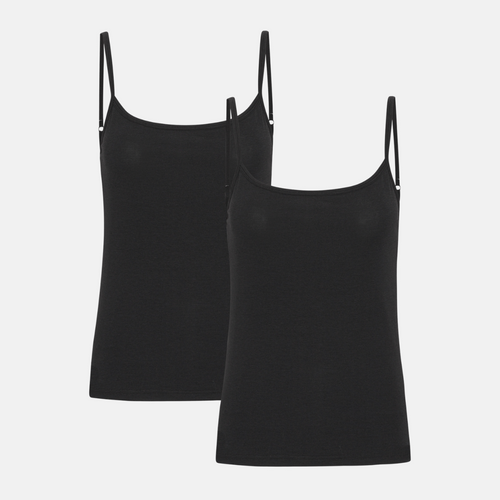
The threads are gathered and spun into yarn, which is then knitted or woven into fabric. See bamboo t shirt for women for an example of a knitted fabric made from exactly this kind of yarn.
The process uses chemicals along the way
Both dissolving and solidifying require chemicals, and part of the environmental picture depends on how well these chemicals are reused at the factory rather than ending up as wastewater at the end of the process.
Why it is called a regenerated fibre
The fibre is called regenerated because the cellulose is dissolved and formed again, unlike a natural fibre such as cotton, which is spun directly from a plant thread without being chemically dissolved along the way.
Same process, different raw material
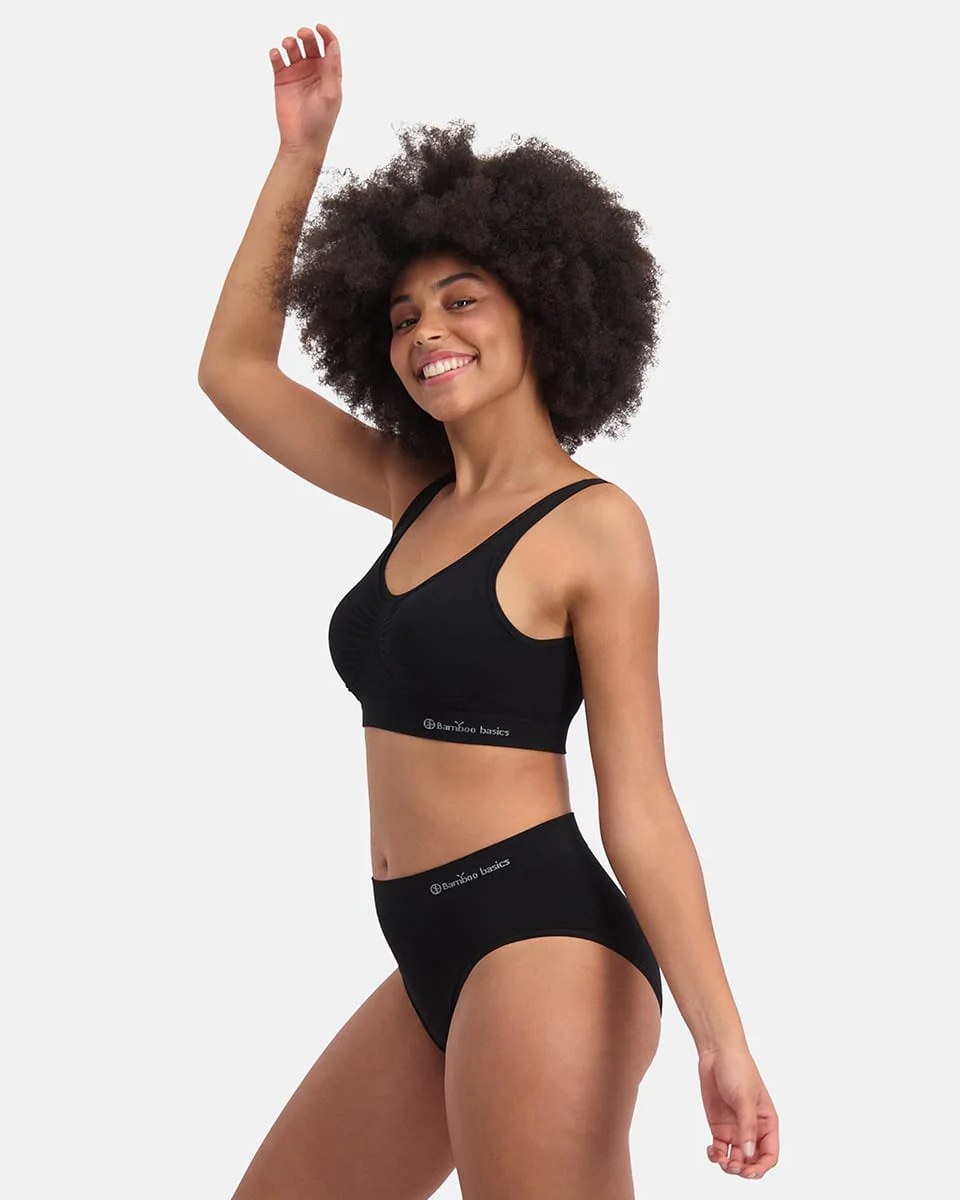
Conventional viscose is most often made from wood mass from spruce or eucalyptus. See bamboo clothing for women for items where the raw material is bamboo instead, while the actual production process afterwards is largely identical.
Why the label does not say bamboo
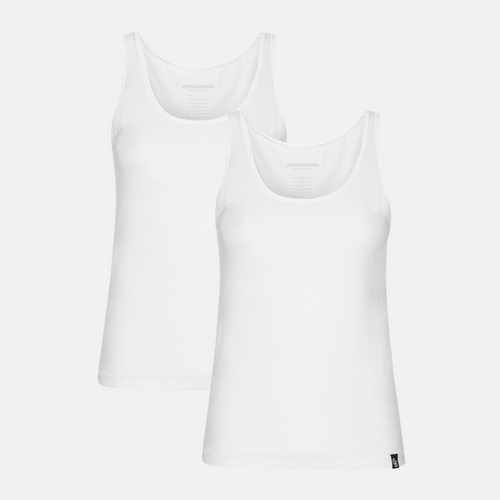
Textile labelling rules require the fibre's name on the label, not the origin of the raw material. See bamboo underwear for women, where the material is listed as viscose or bamboo viscose depending on the producer's own practice.
Our range
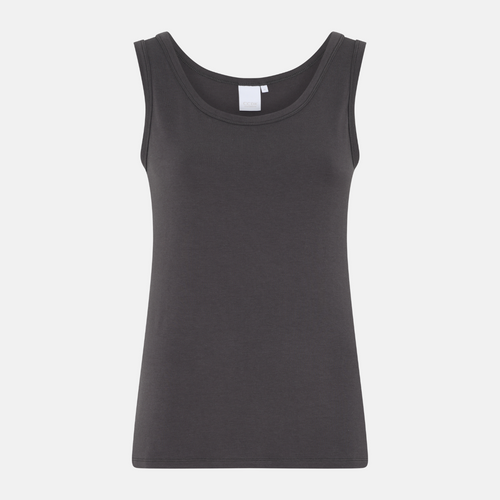
In our range of bamboo items you can see which yarn and weave each item is made from, so you can compare the properties of the fabrics before choosing between different styles and fits. See also bamboo tops for women for a knitted example with the same base fibre.
Frequently asked questions
How is bamboo viscose made?
Bamboo mass is dissolved chemically and pushed through fine nozzles into an acid bath, where it solidifies again as long, thin threads that are later spun into yarn.
Is it the same process as regular viscose?
Yes. The difference lies in the raw material. The actual process of dissolving and solidifying is the same as for viscose made from other plants and types of wood.
Why does the label say viscose and not bamboo?
Because the rules require the fibre's name, not the raw material's. The fibre is called viscose regardless of which plant it comes from, unless the producer adds bamboo voluntarily.
You can find the full range at Bamboo-Clothing.com.