How colour and fibre fit together
Short answer: Each fibre type needs its own type of dye. Cellulose is dyed with reactive dyes, polyester with disperse dyes, and the two methods cannot swap places. That is why blended fabrics are harder to dye evenly than pure ones.
The dye must be able to bond
Colour only holds if the molecule can bond to the chemistry of the fibre. Cellulose has chemical groups that reactive dyes can attach to, and then the colour sits in the fibre and not only on the surface. Without a bond, colour rinses out again in the first wash, however strong it looks in the vat.
Cellulose and reactive dyes
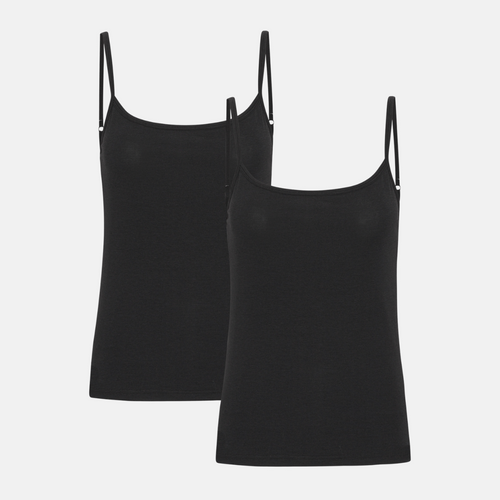
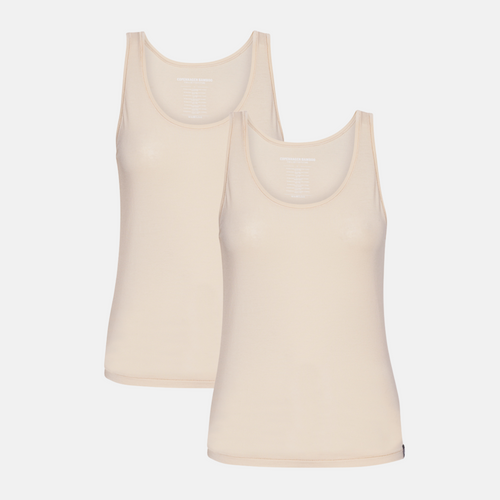
Cotton, viscose and bamboo viscose are all cellulose, and they are typically dyed with reactive dyes. The dye forms a chemical bond to the fibre during dyeing and becomes part of it. That gives a colour that can stand many washes when the dyeing is done properly. See also our bamboo tops for women.
Polyester needs heat and pressure
Disperse dyes enter polyester at around one hundred and thirty degrees under pressure. That takes a completely different machine from dyeing cellulose, and the fibres are coloured in a different way because polyester lacks the same chemical groups to bond to. That is why the two methods cannot swap places.
Blends are dyed twice
A fabric of viscose and polyester has to go through two dyeings for both fibres to get the same shade. That costs time and money, and the result depends on both steps fitting together. If only one step works, the fabric ends up with two different looks, where one fibre stands out more than the other. See bamboo dresses.
Why blends can look heathered
If only one fibre is dyed and the other stays light, the fabric looks heathered. In some fabrics that is a chosen style, but it can also be a sign that dyeing the blend did not go quite to plan. Look at the fabric in daylight and see whether the shade is even or speckled.
What it means for your clothes
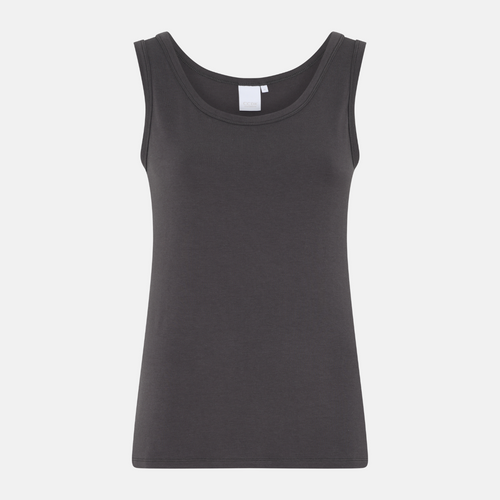
If you have clothes of pure cellulose fabric, the colour is typically more even and holds better. With blends, small differences can show, especially in dark colours and with wear. Read the composition, and remember that care should suit the most sensitive fibre in the blend. See also women's bamboo pants.
Can you dye at home
Home dye works best on pure cellulose fabrics, and the result is rarely as even as a factory's. On blended fabrics it quickly turns patchy or heathered, because only one fibre takes colour. If you want to try, start with a small piece and follow the pack instructions closely.
Which fibre is easiest to dye
Cellulose is the fibre that is easiest to dye, which is why cotton and viscose come in so many colours. There are many dyes, the process is well known, and the result is usually even. Other fibres need more specialised methods, which do not always give as many colour choices or shades as strong.
Washing and care depend on the fibre
Because fibres are different, they behave differently in the wash. Cellulose tolerates a little more than some other fibres, while others are more sensitive to heat. Always follow the label, and wash blends by the most delicate fibre. Then both shape and colour hold up better, whatever fibres the fabric contains.
Frequently asked questions
Why do some blended fabrics look heathered
Because only one fibre is dyed and the other stays light. It can also be a chosen style where the two fibres are not meant to share a shade, so look for details from the maker.
Can you dye a blended fabric at home
Rarely with good results. Home dye works best on pure cellulose fabrics, and on blends only one fibre takes colour, so you risk a patchy result.
Which fibre is easiest to dye
Cellulose. That is why cotton and viscose come in so many colours. The fibre has the chemical groups that reactive dyes can bond to, so the dyeing turns out even.
You can find the full range at Bamboo-Clothing.com.