How damp in a container affects clothes
Short answer: The temperature in a container swings between day and night, and moisture in the air can condense on the goods. That can cause stains, odour and, at worst, mould. Bags, sealed boxes and drying agents are the main defences against it.
Condensation forms with temperature changes
Warm, damp air can hold a lot of water. At night the walls and roof of the container cool down, and when the air meets the cold surfaces, the water can settle as drops. It looks like dew on a lawn. The drops can run down or drip onto the boxes and seep through the cardboard to the goods.
What moisture can do
Moisture on clothing can cause stains, a musty smell and, at worst, mould. It depends on how much water there is, how long it stays and how warm it is. A long journey with changing weather offers more chances for it to happen than a short trip.
Packaging is the first defence
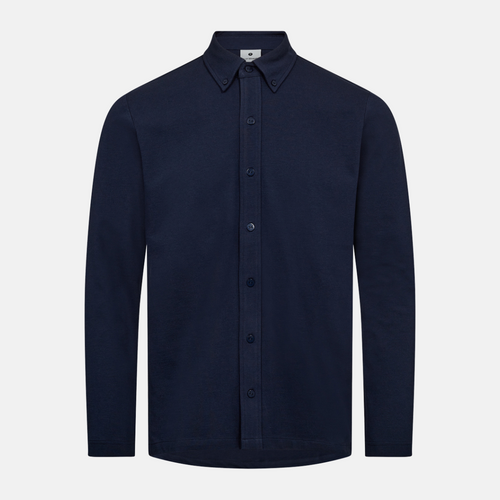
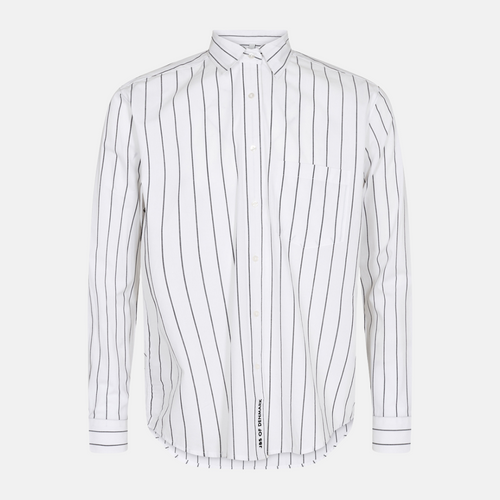
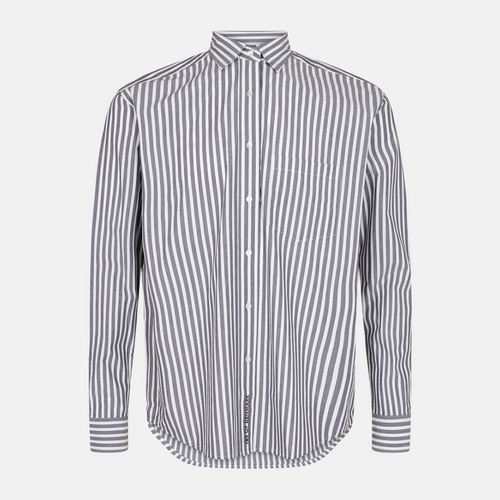
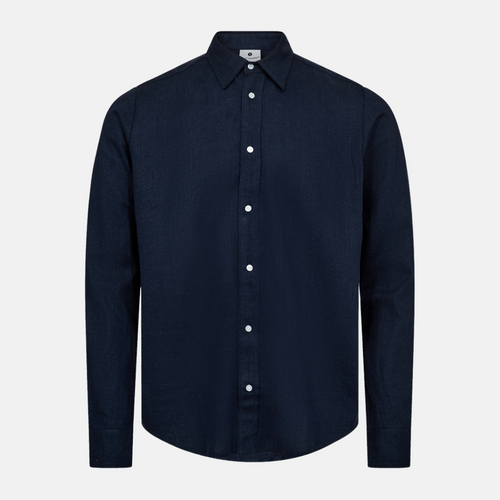
Bags and sealed boxes keep out most of the moisture, and they also protect against dust and dirt on the way. Each bag is a layer the moisture has to get through before it reaches the fabric. See our bamboo shirt for men if you want to see the range of shirts.
Drying agents on long routes
Small bags of drying agent are placed in the boxes to bind moisture on the way. They are used mainly on long routes, where the risk of condensation is greatest. The drying agent is not for eating and should not be opened or used for anything else. Throw the bag away if you find one in the package.
Checks on receiving
On receiving, the boxes are checked for marks and smell before they go into storage. If a box is wet, marked or discoloured, it is set aside and examined more closely. It is a simple routine that catches most problems before the goods move on to packing and dispatch to customers.
Light stains and mould
Light stains can often be washed out. Mould can rarely be removed completely, and the item should not be used if there are signs of it. Always wash new clothing that has had damp damage by the label and let it dry fully. If it still smells musty afterwards, it is best to discard it.
Who pays
Who pays for damp damage depends on the delivery agreement and on where in the chain the damage occurred. If it happened in transport, the agreement looks different than if it happened in the warehouse. That is why it is important to document damage on receiving with photos and notes.
What it means for your clothes
For you as a customer it means the packaging is made to survive a long journey with changing weather. If you still receive a garment with a musty smell or stains, take a photo and contact customer service. Air new clothing and wash it before use. See bamboo clothing for men.
How to check new goods
Check new goods when you receive them: look for stains, smell and damp boxes. Air the garment and wash it by the label. For light problems, fresh air and a wash usually do the rest. Also see offers if you want to see current prices on menswear.
Frequently asked questions
How is damp damage detected?
On receiving. The boxes are checked for marks and smell before they go into storage, so damage is noticed early in the process.
Can damp damage be repaired?
Light stains can be washed out. Mould can rarely be removed completely, so it is often better to discard an item that has mould.
Who pays?
It depends on the delivery agreement and on where in the chain the damage occurred, so it is settled case by case on its own merits.
You can find the full range at Bamboo-Clothing.com.