How elastane is built into a yarn
Short answer: Elastane is rarely spun on its own. The thin elastic thread is either wound into the soft yarn or laid as a core, so the skin only feels the viscose. That is how a garment gets stretch without losing its soft surface, and why the method matters for how underwear feels.
Elastane is rarely spun alone
Elastane is a very thin, strong elastic thread that would feel hard and slick if it lay bare on the surface. So it is almost always combined with another fibre that the skin touches instead. There are two main ways to do it, and each gives the finished fabric its own qualities.
Core and sheath
In a core yarn the elastane sits in the middle, and the soft fibres are twisted around it. The skin only touches the sheath, while the core provides the stretch. It is the most common solution in underwear. From outside the thread looks like an ordinary yarn, and you cannot see the elastic thread hidden inside.
Why the sheath matters
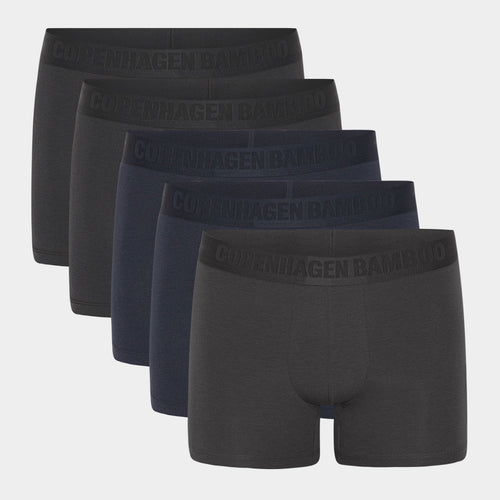
The sheath is the layer the skin feels. So a soft material like viscose can be chosen for the sheath, letting the elastane work out of sight. The result is a yarn that is both soft and stretchy. Without the sheath the stretch would be there, but the comfort would be different. Look at bamboo underwear for men for an example.
An inlaid thread in the knit
Another method lays an elastane thread in at every row of stitches. The fabric gets stretch across its width without the yarn itself being elastic. The elastane runs as an extra thread between stitches of viscose or cotton and is covered by them. It is used when you want stretch without spinning a special yarn. See also Jack and Jones.
The difference between the two
With core yarn the elastane sits in the thread itself, so the whole fabric gets an even stretch. With an inlaid thread it sits as a separate thread in the knit, and the stretch lies in the structure. Both work, but they behave a little differently when worn and washed many times, and they do not feel the same.
Why only a few percent is listed
Even a small amount of elastane gives a knitted fabric a lot of stretch. That is why the label often says only two or five percent. The rest is viscose or cotton, which gives the look and softness. A high number is not necessarily better, since too much elastane can make the fabric tight and less airy.
Why it can be felt when it goes wrong
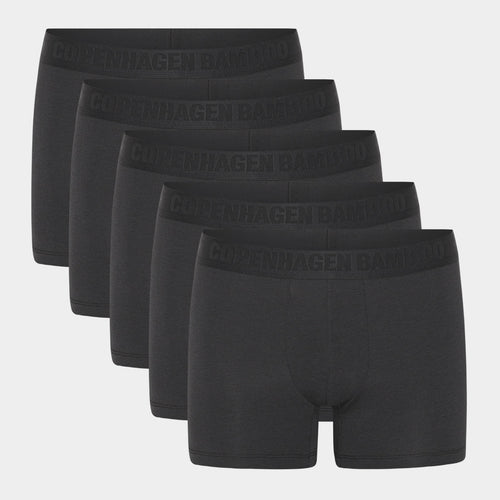
If the elastane in the core breaks, the fabric goes slack right there, even though the viscose is intact. It often shows as a baggy waistband on an otherwise good garment. The fault is hidden in the thread, so you notice it only when the garment no longer sits as usual. See bamboo inner shorts, where the waistband must last all day.
What wears the elastane down
Elastane is the most sensitive part of the thread. Heat, sweat and repeated full stretching break it down over time. That is why underwear often loses its fit before the fabric is worn out. It is not necessarily a sign of poor quality but natural wear, which good care can put off.
How to spare the elastane
Wash cool, avoid the tumble dryer and let the garment rest between wears, so the elastane can find its way back to shape. Do not stretch the waistband more than needed when you put it on and take it off. Use a mild detergent without bleach. With some care, stretch and soft surface both last longer.
Frequently asked questions
Can you see the elastane in the fabric
Rarely. It is thin and hidden inside the yarn or between the stitches, so you usually cannot see it, but you feel it as stretch when you pull the fabric.
Why does the label say only two or five percent
Because even a small amount gives a knitted fabric a lot of stretch. The rest is viscose or cotton for softness and look, and more elastane is not automatically better.
How do I spare the elastane
Wash cool, avoid the tumble dryer and let the garment rest between wears. Heat and sweat break elastane down, so the less it is exposed to, the longer the stretch lasts.
You can find the full range at Bamboo-Clothing.com.