How few layers you need in summer heat
Short answer: One layer is enough once it is above twenty five degrees. Two layers can be cooler if the inner one is thin and the outer one is loose and airy.
One layer in strong heat
If it is very hot, a single thin layer gives the most air against the skin and the best comfort through a long hot day. Choose a loose fit so air can circulate freely around the body, and a fibre that absorbs moisture and passes it on to the air instead of holding onto it.
When two layers are cooler
In strong sun, a loose outer layer can shade the skin while also holding air between fabric and body, so the heat does not hit the skin directly. That is why people in warm countries often wear a loose shirt over a thin layer instead of just a single garment.
The role of underwear in heat
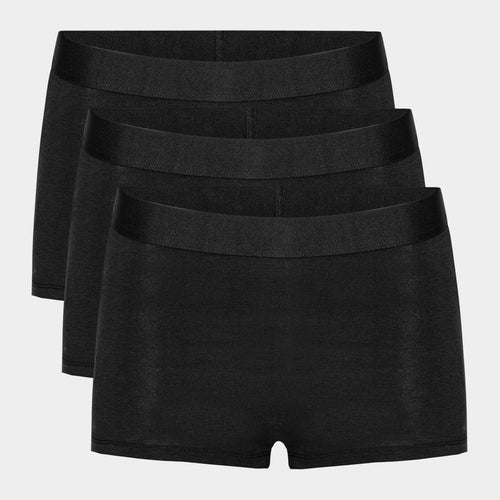
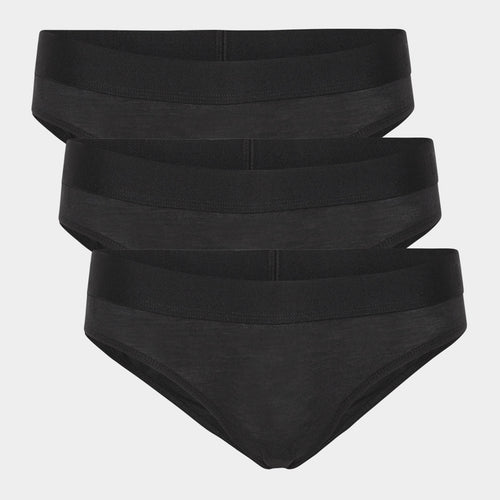
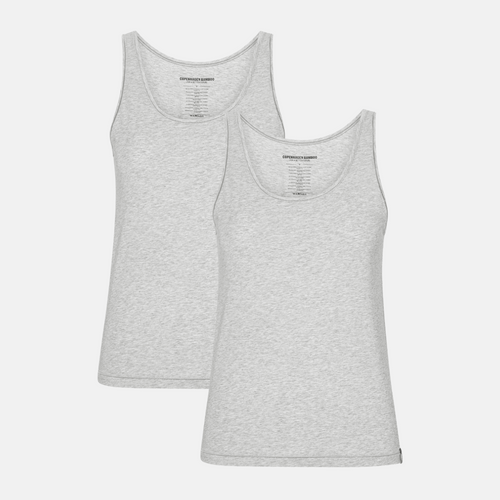
A thin layer against the skin catches sweat before it reaches the outer layer, so you avoid feeling clammy through the day. That keeps the outer layer dry and means you do not get visible marks. See bamboo undershirts for men and bamboo underwear for women.
The importance of material in heat
Fibres that absorb moisture and quickly release it into the air feel far cooler than fibres that hold moisture against the skin. Bamboo viscose belongs to the first group, which makes it a sensible choice in summer heat, whether used as an outer or inner layer.
The role of colour in sunlight
Light colours reflect more sunlight than dark ones and can therefore feel slightly cooler to wear directly in the sun. The difference is smaller than many think though, it is the looseness of the fit and the air between fabric and skin that do the most for comfort in practice.
How to choose a single top
See bamboo t-shirts for men if you are looking for a single top that handles the heat well on its own without an extra layer underneath. A light, loose fitting t-shirt in a moisture absorbing material is usually enough for most of a hot summer day.
Activity changes the need
If you are moving, such as running or gardening, you sweat more, and a single thin layer becomes even more important to avoid getting wet and clammy. If you sit still in the shade, the number of layers matters less, and comfort depends mostly on fit and material.
In the evening as the temperature drops
Summer evenings can turn cooler than the day itself, especially near water or after sunset. A light extra layer, such as a thin jumper tied around the waist, costs little to carry and means you do not get cold if the temperature drops faster than expected.
Frequently asked questions
Is it coolest without underwear
Rarely. Without a layer against the skin, the outer layer gets wet and clings to the body, which feels less comfortable than a thin layer underneath.
Do loose cuts help
Yes, more than colour does. Air between fabric and skin is what cools the most, whether the fabric is light or dark.
What about long sleeves in the sun
A thin long sleeve can be cooler than bare skin in strong sun, because it shades the skin from direct sunlight.
You can find the full range at Bamboo-Clothing.com.