How many colours you actually need
Short answer: Two to three colours in the base layer and a few on top are enough for most people. More colours do not give more combinations, only more garments that suit a single thing. Start with what can be worn together, and build slowly from there.
The arithmetic
Three colours that go together give more usable outfits than six that do not. Each new colour must be wearable with at least two you already own, or it stands alone in the wardrobe. Count the combinations before you put anything in the basket, not afterwards.
More colours, more mistakes
Every new garment in a new colour needs a partner. If none exists, the garment stays on the hanger while you pick the same three things as usual. Repeating yourself is not dull, it is practical. A small number of colours makes the morning easier and the wardrobe clearer.
The base layer
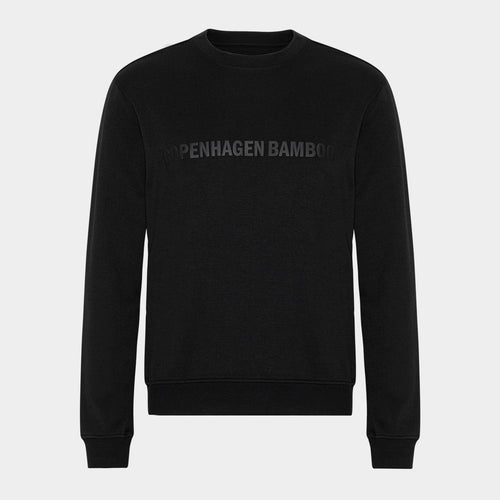
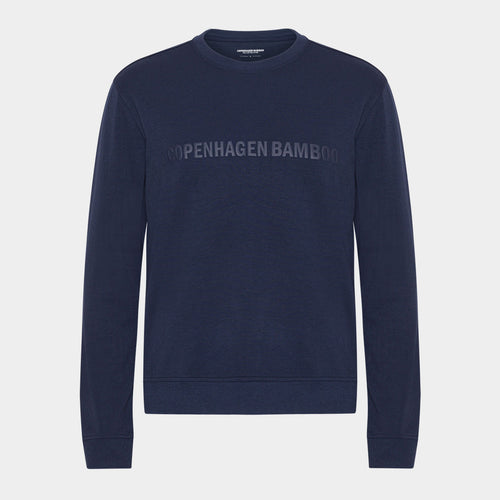
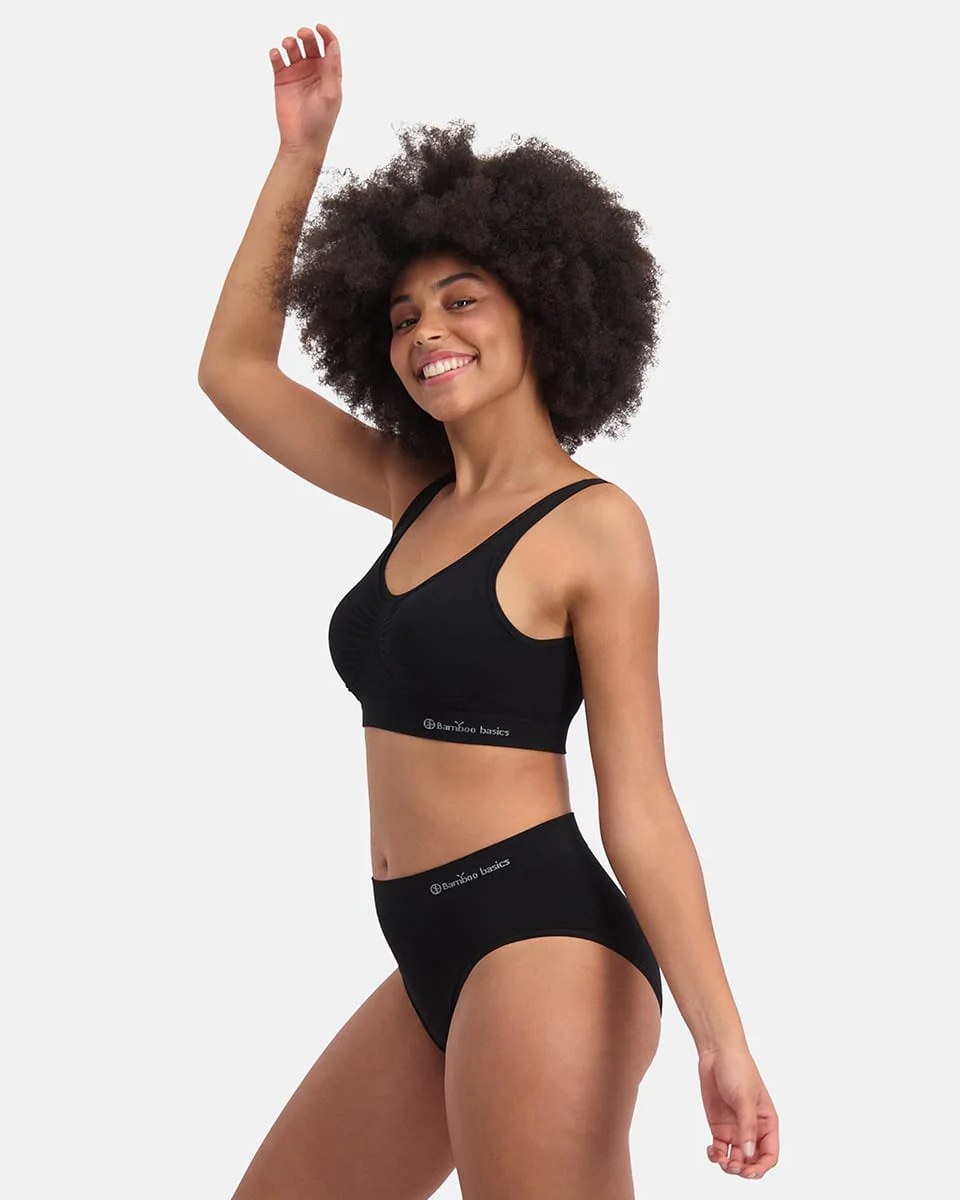
Black, white and navy cover almost everything. They can be worn with each other and under anything else, and they do not change character from season to season. The base layer is where you need the most garments, because you wear them on most days and wash them most often.
What the base layer must do
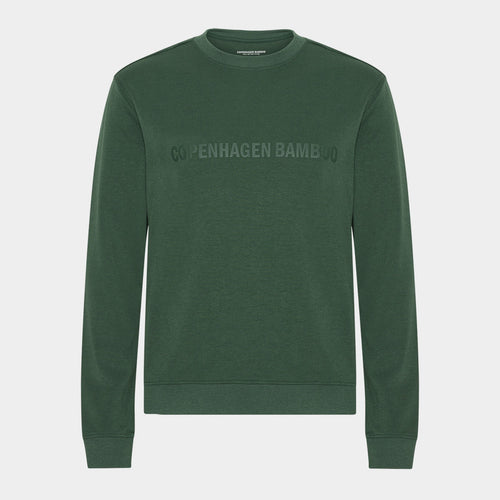
Base garments must work under other pieces and alone, in any weather indoors and out. Choose them for fit and comfort first and colour second. A garment that fits well is worn again and again, while a lovely one that pinches ends up at the back of the wardrobe. See bamboo sweatwear.
The layer on top
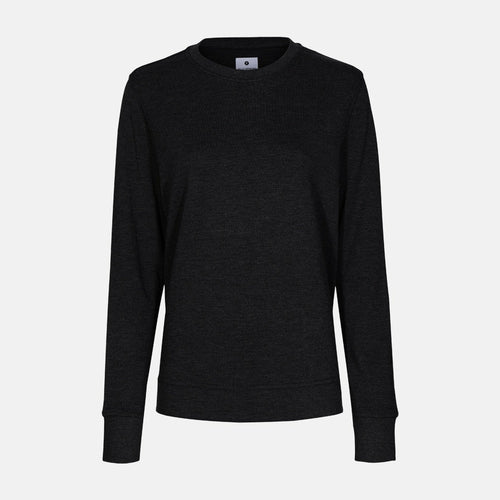
Here you can allow yourself one or two more colours, because there are fewer garments and they change less often. Outer pieces are what others see most, and they set the mood of the whole outfit. Choose colours that suit you and work with the base. See bamboo sweatshirt for women.
The two-garment test
Before buying a new colour, find two garments in your wardrobe it can be worn with. If you find only one, the colour is too narrow. If you find three or more, it is probably a good buy. The rule is simple, yet it removes most impulse purchases. See bamboo clothing for women.
Underwear and socks
Underwear and socks are rarely seen, so their colour does not need to match anything. Choose by comfort, fit and material. If you own the same socks in three or four colours, you do not need to think about it in the morning. It is one of the easiest places to save time.
When the wardrobe is already full
If you already own many colours, do not buy more until you have used what you have. Find the garments you never wear and see what they lack to get used. Often it is a single piece in a neutral colour that can tie them together and give them a purpose.
A simple plan
Choose three base colours you like that go together. Buy most of your clothes in those. Then add one or two colours on top and swap them when you feel like it. That way you change the look without buying a whole new wardrobe every time.
Frequently asked questions
Is black boring?
It is practical. Wear and stains show least on black, and black suits almost everything, so outfits are easy to put together without thinking too long.
How many outfits can three colours give?
More than most people wear in a week. Each top can be worn with each bottom, and you can count it yourself in your own wardrobe.
Should underwear match?
No. It is not seen, so choose what feels comfortable and what you want to wear all day. Comfort is what counts.
You can find the full range at Bamboo-Clothing.com.