How many washes an ordinary household runs
Short answer: Short answer: a single person manages fine with one to two washes a week. Two adults typically land at three to four, and a household of four or more reaches five to seven, depending on how many different types of laundry need to be kept apart.
What drives the number
The number of people, whether anyone exercises, and whether towels and bedding fall in the same week all determine the total number of washes. It is not the amount of clothing itself but how many different types need separating, since colored laundry, whites, bedding and towels often each need their own program.
How to end up with fewer washes
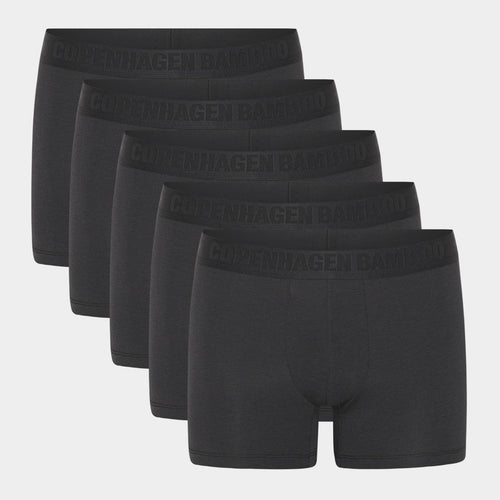
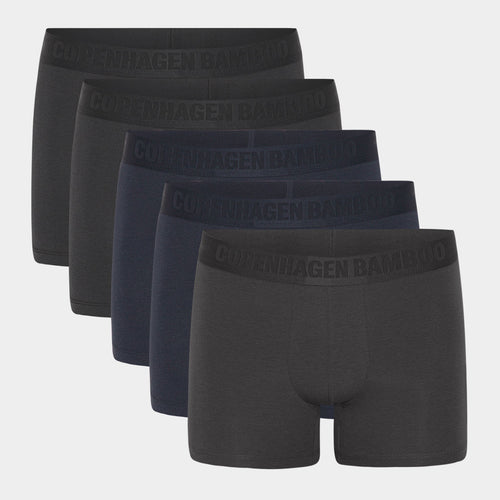
More pairs of underwear and socks in rotation let you wash once a week instead of twice, because you never run short before the fixed wash day. Check out bamboo underwear for men to fill the drawer with enough pairs for a full week.
Filling the machine correctly
A machine filled to two thirds washes best, because the laundry can still move freely and get rinsed properly. If it is overfilled, the laundry does not come out clean, and if it is half empty, you waste water and electricity. Check out bamboo bedding and bamboo towels to fill it correctly.
Why the number of people matters more than volume
Two people in a household do not just generate twice as much laundry as one, they also generate more different types that need sorting. That sorting, more than the sheer volume of fabric, is often what decides whether it ends up being three or five washes a week.
How to plan the week's washes
Set fixed days for different laundry types, for example one day for colored laundry and another for bedding and towels. That way you avoid ending up with several half full machines at once and instead gather enough for an efficient full wash each time.
How the material affects the wash count
Bamboo viscose absorbs moisture well and stays fresh longer between washes than many other materials, which can reduce the total number of washes slightly without compromising hygiene. This applies especially to underwear, socks and sleepwear, which otherwise often get changed early.
How the season affects the number
In summer the number of washes typically rises, because more sweating means clothing needs changing more often. In winter it drops again, but thicker clothing and bedding take up more room per wash, so the machine fills up faster despite fewer washes overall.
When it pays to wait and gather more
If a machine is only half full, it often pays to wait a day instead of running it anyway, unless there is an urgent need for clean laundry. That saves both water and electricity over a month and reduces wear on both the machine and the clothing.
How to keep track of the rhythm
Notice when the basket typically fills up, and use that as your fixed wash day instead of washing on a set calendar day regardless of volume. That gives a more efficient rhythm that follows the household's actual use rather than a plan that does not match reality.
Frequently asked questions
How long does a wash take
An ordinary wash takes between one and three hours depending on the program and temperature. A quick program can handle lightly soiled laundry in under an hour.
Is it better to run one large wash or two small ones
A full machine uses less water and electricity per kilo of laundry than two half loads. So wait until the machine is full when you can.
Should towels be washed separately
Yes. They shed lint and often need washing hotter than the rest of the laundry, so they stay hygienic without damaging other pieces of clothing.
You can find the full range at Bamboo-Clothing.com.