How moisture affects the insulation in a layer
Short answer: Insulation is air that stays still. If the air is replaced by water, the insulation disappears, and a damp layer can conduct heat away from the body many times faster than a dry one. That is why dry clothes matter more than thick clothes in the cold.
The air is what does the work
The fibers themselves insulate very little. It is the small pockets of air between them that slow the heat, and they only do so while they are dry. A thick fabric is not warm in itself, but because it holds a lot of still air that body heat cannot easily pass through.
Water fills the pockets
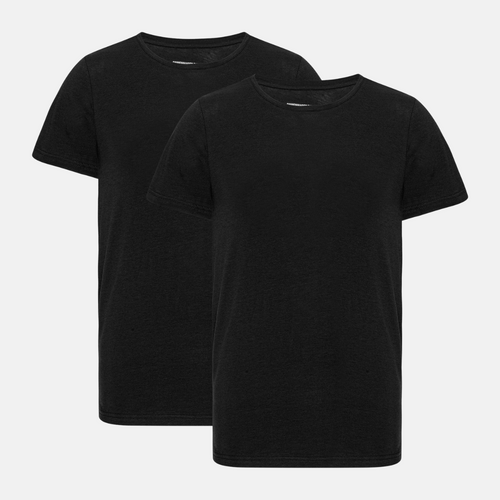
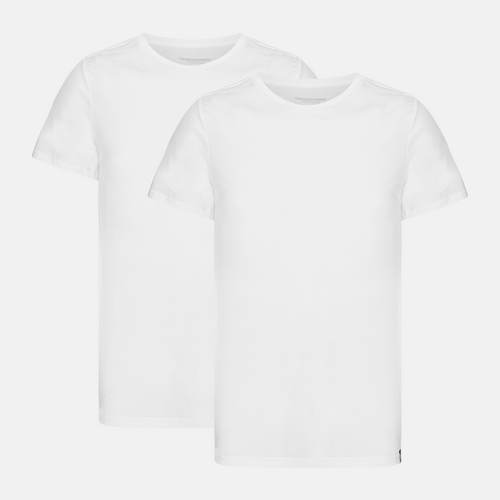
When moisture gets in, it displaces the air. The fabric looks the same, but heat loss rises sharply, and the body starts to cool. You cannot see it on the clothes, but you feel it on the skin. See night T-shirts for men, a thin layer that is easy to keep dry.
Why dry matters more than thick
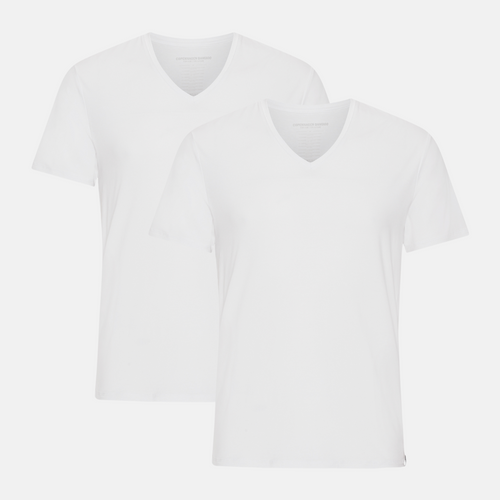
A thin dry layer warms better than a thick wet one. That is the basic rule behind all layering in the cold. The layer closest to the skin should therefore move moisture away and dry quickly. See bamboo undershirts for men, often the first layer under a shirt or sweater.
Moisture comes from inside and outside
Rain and snow bring moisture from outside, and sweat brings it from inside. Both fill the air pockets. From inside it is often the bigger problem, because you make the moisture yourself while moving. If the outer layer is tight, sweat cannot escape and ends up in the layers beneath, which slowly turn damp.
The first layer against the skin
The first layer receives the sweat. If it cannot pass it on, it becomes wet itself, and the layers under and over it lose their effect. Choose a thin layer that feels dry quickly, and avoid anything dense and thick directly against the skin if you expect to move a lot.
Why damp clothes feel cold even indoors
Because evaporation continues and draws heat from the skin. When water turns from liquid to vapor it takes heat with it, and that heat comes from your body. That is why a damp layer can feel cold in a room where dry clothes would feel perfectly normal, and it can chill you at home too.
Changing into dry clothes
The best thing you can do is change into a dry layer when you have the chance. If you have nothing to change into, it is better to keep the wet one on out of the wind than to take it off in the wind. A dry spare layer in the bag is a simple and cheap safeguard.
Layering in the cold
The idea behind layering is that each layer holds air and that you can add or remove layers as needed. It works only while the layers are dry. Start with a thin layer, add warm layers, and finish with something that keeps wind and rain out so the air in the layers does not get wet.
Small things that make a difference
Cold feet and legs are noticed quickly when moisture is involved, so keep them dry as well. See bamboo compression stockings if you are looking for bamboo stockings. Change socks when they get damp, and let clothes dry fully between uses so the air pockets in the fabric are full of air when you put them on next.
Frequently asked questions
How much insulation does a wet layer lose
Most of it. A soaked layer barely insulates, because water has displaced the air that slows heat, and it feels cold even in mild air.
Does taking off the wet layer help
Yes, if you have a dry one to change into. Otherwise it is better to keep it on out of the wind, so the wind does not add to the cooling.
Why do damp clothes feel cold even indoors
Because evaporation continues and draws heat from the skin. Dry clothes lack that cooling, so they feel more neutral in the same room at the same temperature.
You can find the full range at Bamboo-Clothing.com.