How much clothing should be ready in the wardrobe
Short answer: There should be enough ready to cover the period between two washes plus a three to five day reserve. Anything beyond that is storage rather than an actual wardrobe.
The calculation for each category
Take the number of days between two washes and add three to five days as a reserve. If you wash weekly, that means twelve of whatever you wear daily and five to six of what you wear a couple of times a week. The method works for most categories from underwear to outerwear.
Why the reserve is needed
The reserve covers a week where you don't manage to wash as planned, a trip where the laundry doesn't make it home in time, and a few pieces still hanging to dry. Without a reserve you end up needing to wash twice a week instead of once, which is rarely practical in a busy schedule.
What shouldn't be in the wardrobe
Seasonal clothes you aren't using right now, clothes in a different size than today, and clothes you haven't worn in two years belong in a box or should be passed on. See bamboo clothing for women and bamboo clothing for men as examples of items used on an ongoing basis.
How to find your own number
Write down how often you actually wash, not how often you think you should. Most people underestimate how rarely it really happens during busy stretches, and a realistic number gives a more accurate picture of how much should actually be ready in the wardrobe for everyday use.
Basics follow the rule most strictly
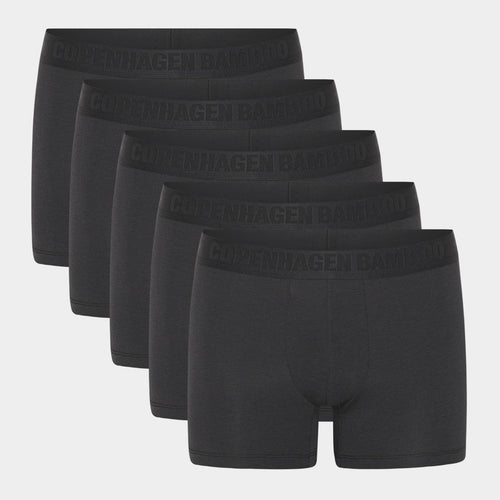
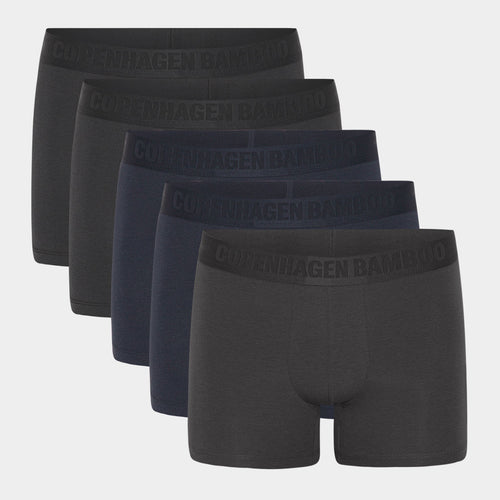
Underwear and socks are worn daily and are therefore the categories where the rule of thumb is worth following most closely. See bamboo underwear for men as an example of an item where too small a number is immediately felt, because it's needed every single day regardless of season.
What happens if you have too little
If you have too little of a category, you end up washing more often than needed, or you run out mid week and have to wear something that doesn't suit the occasion. Both create unnecessary hassle, easily solved with a couple of extra pieces in whichever category keeps running short.
What happens if you have too much
If you have too much, it just takes up space without getting used more. What you rarely reach for doesn't get worn more by sitting there, and it makes it harder to get an overview of what you actually own next time you need to pick clothes for a specific occasion.
How to adjust over time
The rule isn't fixed. Change your wash rhythm, move house, or shift needs with a new job, and the number can change. Check once a year whether the amount still fits how you actually live now, and adjust up or down as needed instead of letting the wardrobe grow uncontrolled.
Frequently asked questions
How do I know if I have too much
If you never reach the bottom of a stack or a drawer, there is more sitting there than you use. That's a clear sign the amount should be trimmed back to actual need.
Should you have extra for guests
Only bedding and towels are worth keeping extra of for guests. The rest of the wardrobe, like underwear and socks, is rarely lent out and therefore doesn't need extra reserve.
Is it bad to own a lot
Not in itself, but what you don't use doesn't wear out, it just gets old without ever serving a purpose, which in practice means wasted money and wasted space.
You can find the full range at Bamboo-Clothing.com.