How much shelf space a wardrobe needs
Short answer: A base wardrobe for one person needs roughly a metre of shelf space plus half a metre of hanging rail. More than that is usually storage, not clothes you actually wear day to day.
The maths behind the space
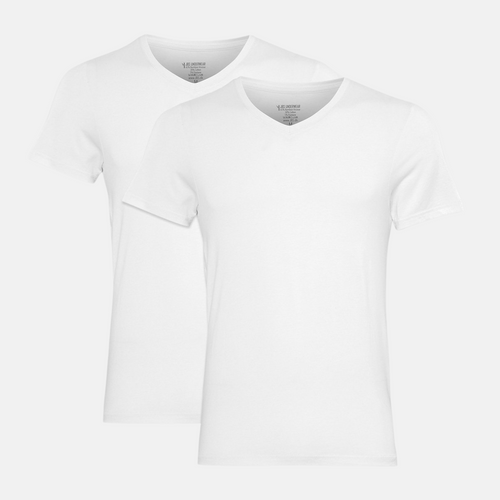
Underwear and socks usually fit in a single drawer, no matter how many sets you own, because they are small and can be layered on top of each other. T-shirts and tops need half a metre of shelf if folded upright rather than in traditional stacks piled on top of one another.
Trousers and the hanging rail
Trousers and jumpers need about half a metre of hanging rail when they hang individually without being pressed tightly together. Bedding and towels belong somewhere entirely different from the clothes themselves, ideally in a separate cupboard or on a top shelf of their own.
Folding upright saves space
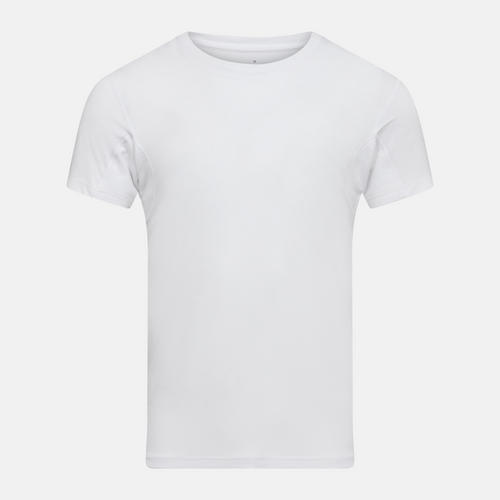
Fold clothes upright rather than in stacks, and you see everything at once and can pull out a single item without toppling the rest of the pile. It also fits more items on the same shelf, since no wasted space forms between the stacks. See bamboo t-shirts for men.
How to sort the wardrobe
Start by taking all the clothes out of the wardrobe and grouping them by type, underwear on its own, tops on their own and trousers on their own. This gives a quick overview of how much space is actually needed before you start folding and hanging things back.
What should not take up space
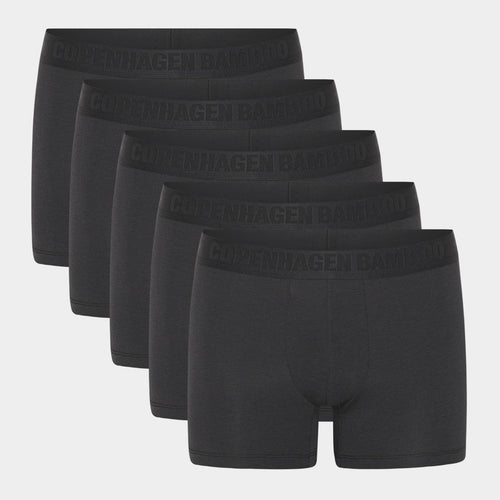
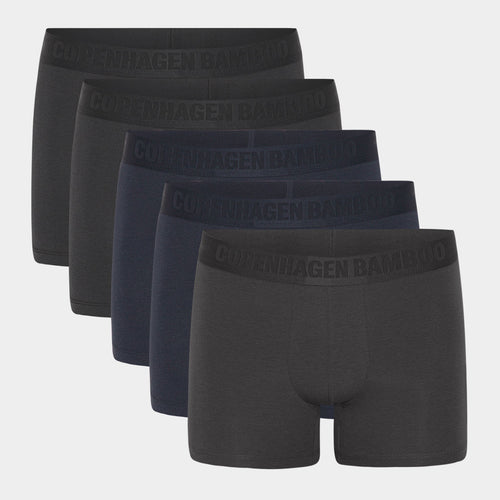
Seasonal clothes, items in a different size than you currently wear and pieces you have not worn in two years belong in a box somewhere other than the everyday wardrobe. See bamboo clothing for women and bamboo underwear for men.
Air between the garments
There should be enough space to pull out a single item with one hand without tugging at its neighbours on the shelf or rail. If it is hard to grab something without disturbing the rest, there is usually too much clothing pressed together.
A small wardrobe as an advantage
If the wardrobe is small, that is actually an advantage rather than a limitation, since it forces you to own only what you genuinely wear day to day. An overfilled wardrobe makes it harder to see what you own, and you end up reaching for the same few items anyway.
Shelves over drawers
Shelves are often better than deep drawers for folded clothes, because you can see the whole contents without digging to the bottom of the pile for what you need. Drawers suit small items like underwear and socks best, where overview matters less than compact storage.
Check the space once a year
Go through the wardrobe once a year and remove what has sat unused since the last review, so the space does not gradually fill up again. That keeps the wardrobe at the level that actually fits a metre of shelf and half a metre of rail.
Frequently asked questions
What if the wardrobe is small
Then the limitation is actually an advantage. It forces you to own only what you use and makes it easier to see what you have.
Should everything hang or lie flat
Trousers and jumpers usually hang best without creasing. T-shirts and underwear lie best folded upright on a shelf or in a drawer.
How much space should be left for air
Enough that you can pull out a garment with one hand. If it is hard, there is usually too much clothing pressed together on the shelf.
You can find the full range at Bamboo-Clothing.com.