How number sizes in menswear are built
Short answer: Numbered sizes in menswear are usually built directly on a body measurement. The number on a shirt is the neck circumference in centimetres, and the number on trousers is the waist. Because centimetres mean the same everywhere, the numbers can be compared across brands.
The number is a measurement, not a name
The advantage of numbered sizes is that the number can be compared across brands, because centimetres mean the same everywhere. A letter is just a name, while a number is a measurement you can check with a tape. That makes numbered sizes more precise, but also harder to choose.
Shirts use the neck measurement
A shirt in size 39 is sewn for a neck of roughly that many centimetres. The number tells you about the body, not the garment. Measure the neck loosely at the lower part where the collar sits, and slip a finger under the tape so you do not measure too tight. See offers for men.
Trousers use waist and leg length
The two numbers on a pair of trousers are the waist and the inside leg length. The first says how wide the waistband is, the second how long the leg is from crotch to hem. Together they give a fit that repeats from brand to brand, as long as you compare with the chart and do not just guess.
The number is the body's measurement
As a rule the number is the body's measurement and not the garment's. The garment is sewn with the ease the model requires, leaving room to move and breathe. So a shirt in size 39 can well be wider than 39 centimetres around the collar without it being a fault.
Why the ease varies
The ease depends on cut and purpose. A slim model has less room than a regular one, and an everyday piece often has more space than one meant to sit close. So two garments with the same number can fit differently, even though the body measurement behind the number is the same.
Why underwear uses letters
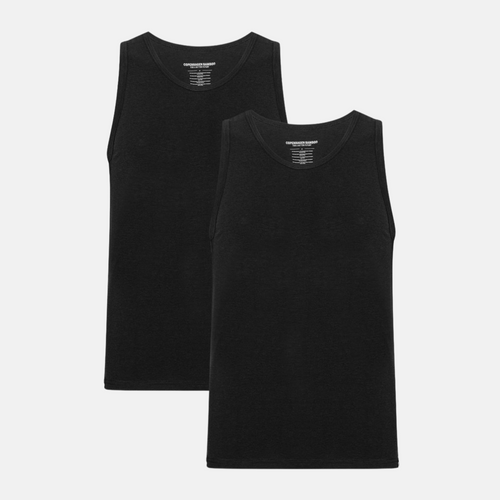
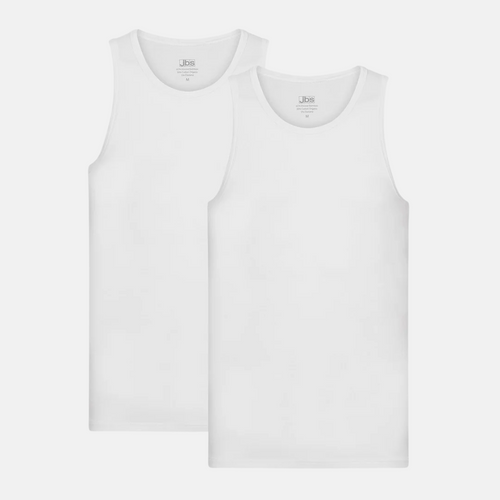
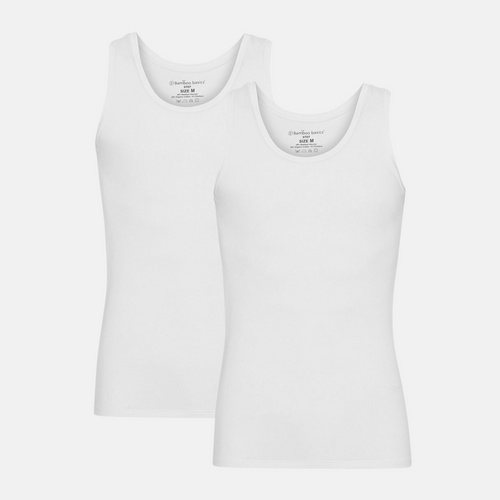
Underwear and light layers are knitwear with stretch, and there a single centimetre rarely decides anything. That is why letters are used more often, as they are easy to remember. See bamboo tank top for men and bamboo long john, where you can read the chart before choosing a size.
How to measure yourself
Use a soft tape and measure on bare skin or over thin clothing. The neck is measured loosely, the waist where the trousers should sit, and the leg length on the inside from the crotch down. Write the numbers down straight away and measure twice. If someone helps, the measurements become more accurate.
When the numbers do not fit together
Sometimes the neck fits one size and the waist another. Then choose by the measurement that is hardest to change, and leave the rest to cut and stretch. If in doubt, think about how the garment should sit day to day and choose accordingly.
Keep your measurements
Write your measurements in a note on your phone and update them if your body changes. With the numbers at hand, you can choose within minutes, whatever the brand. It is a small habit that saves many returns and makes shopping calmer and more certain.
Frequently asked questions
Is the number the body's measurement or the garment's?
Usually the body's. The garment is sewn with the ease the model requires, so the number says which body it is made for, not how large it is lying flat.
Why does underwear use letters then?
Because it is knitwear with stretch, where a single centimetre decides nothing. Letters are easier to remember and work well when the fabric gives a little.
Can I measure myself?
Yes. Measure the neck loosely and the waist where the trousers should sit. Use a soft tape, write the numbers down straight away and compare them with the chart for the garment.
You can find the full range at Bamboo-Clothing.com.