How the layers work in practice on a cold morning
Short answer: Three layers solve the job on a cold morning. The inner layer is thin and moves moisture away from the skin, the middle one holds air, and the outer one stops the wind. When each layer does its own task, none of them has to be thick.
Three layers, three jobs
The idea behind layers is to split the work rather than let one thick garment do everything. The inner layer moves moisture, the middle one insulates, and the outer one blocks wind. That lets you adjust to the weather and to how much you move without changing everything.
The inner layer moves moisture
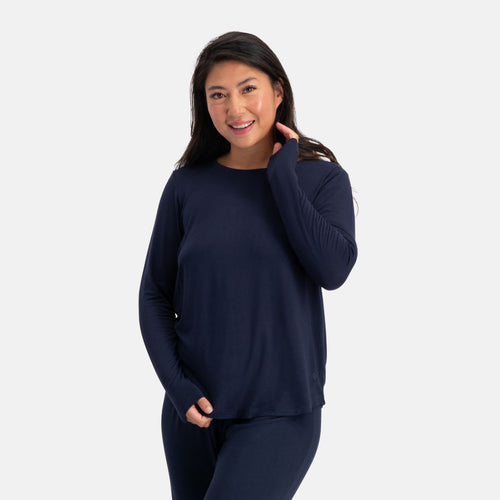
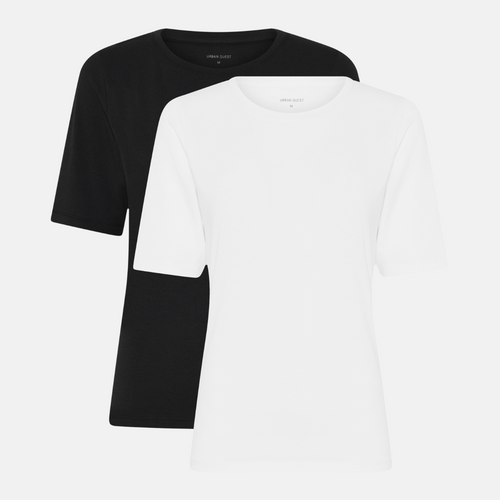
The inner layer should sit against the skin and be able to take up and spread sweat. It should be thin, because its job is to pass moisture on, not to insulate. If it is wet and clammy, the whole outfit feels cold. Choose a soft, breathable fabric closest to the skin.
The middle layer holds the air
The middle layer does the real insulating. It needs room to stay airy and must not be pressed flat, because the air between the threads is what holds the warmth. Soft sweat fabric or knitwear are typical examples. For nights, see bamboo night pants for women as a soft layer for the legs.
The outer layer stops the wind
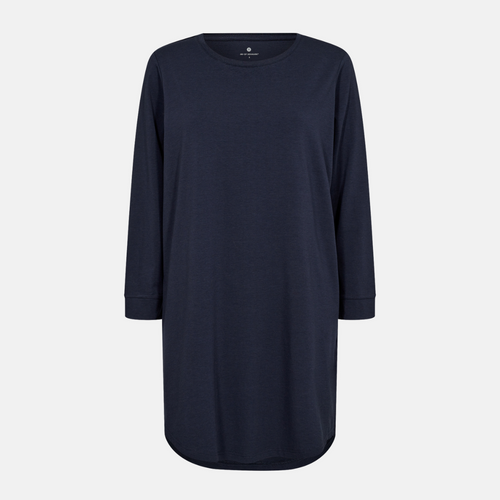
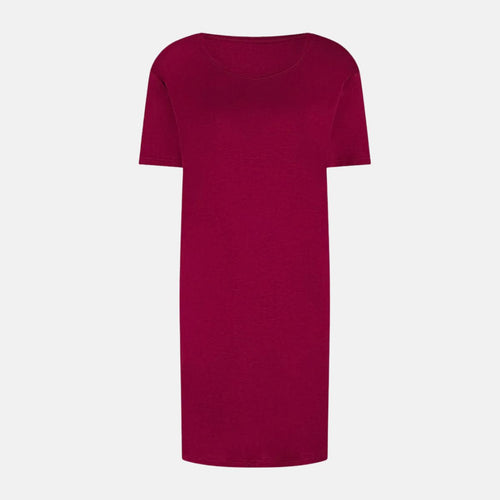
The outer layer does not have to be thick, only tight enough that air does not blow through. It should open when you get warm, so you do not sweat under a closed layer. A piece with a zip works well because you can adjust it quickly. See also bamboo nightgowns for women.
A cold morning step by step
Start with the thin layer on the skin, add the middle layer, and finish with the outer one before you go out. Check at the door whether you feel slightly cool. That is usually right, since the body warms up as you walk and you do not have too much on from the first minute.
Layers should be able to open
The main point of the outer layer is that you can open it when you get warm. Sweaty layers lose part of their ability to hold heat, so airing out beats keeping everything closed. Open the zip and the cuffs and let heat escape before you start to sweat.
Take layers off in order
If you need to lose heat, take off the middle layer first. That way you keep moisture control and wind protection and stay well covered when you stop again. Remove the outer layer first and you lose wind protection while still wearing insulation. For quiet hours at home, try bamboo sleepwear for women.
If you only have two layers
With only two layers, prioritise the inner and the outer. You can go without insulation for a short time, while moisture and wind chill you at once. A thin layer on the skin and a tight layer over it is a simple combination that works for a short trip or a quiet morning.
The principle works in summer too
In summer you often wear only two layers and skip the middle one. The inner layer still moves moisture, and a light outer layer can guard against morning chill or a cool evening. The thinking stays the same all year, which makes it easy to remember how to dress sensibly.
Frequently asked questions
What if I only have two layers?
Prioritise the inner and outer layers. You can go without insulation briefly, while moisture and wind chill you quickly, so a thin inner layer and a tight outer layer make a good fallback.
Do layers have to come off in a certain order?
Yes, take off the middle layer first, so you keep moisture control and wind protection. You are then still covered when you stand still again and have not lost wind protection on the way.
Does the principle work in summer too?
Yes, but then there are often only two layers and the middle one is left out. The inner layer still moves moisture, and a light outer layer can take the edge off morning chill or a cool evening.
You can find the full range at Bamboo-Clothing.com.