How to compare two brands' size charts
Short answer: Find the same measurement in both charts and compare the numbers, not the letters. Make sure it is the same kind of measurement, meaning body measurement against body measurement. That gives you a basis for comparison you can trust across brands.
Two kinds of charts
Some charts show body measurements, others show the garment's own measurements. The two cannot be compared directly, and it is the most common source of error when you put two brands side by side. Look first at the heading above the numbers. It often says body or garment, which decides how to read them.
Body and garment measurements
Body measurements are the centimetres your body has, while garment measurements are the centimetres the piece measures lying flat. The difference between them is the ease, the room to move. A garment with the same chest width as you fits very close, while one with a few centimetres more fits looser.
Pick one measurement as the anchor
Use the measurement that matters most to you, often chest or hip, and compare only that first. Once one measurement lines up, move on to the next. See the chart for the bamboo T-shirt dresses for example, and start with the measurement you need most.
Compare numbers, not letters
An M at one brand is not the same as an M at another. The letter is a label, while the numbers are centimetres. Write both charts' numbers for your anchor side by side and see which size in each brand lies closest to your measurement. Let the numbers decide, not the name.
Then check the lengths
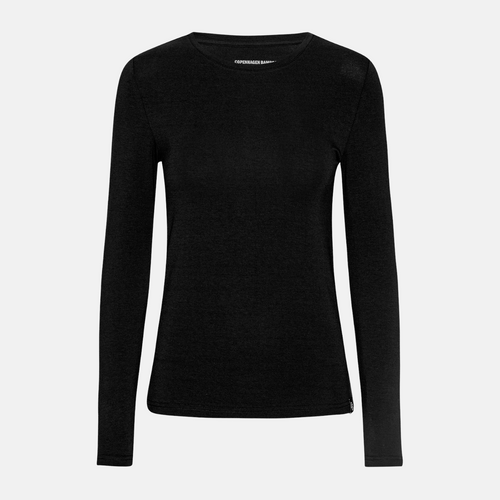
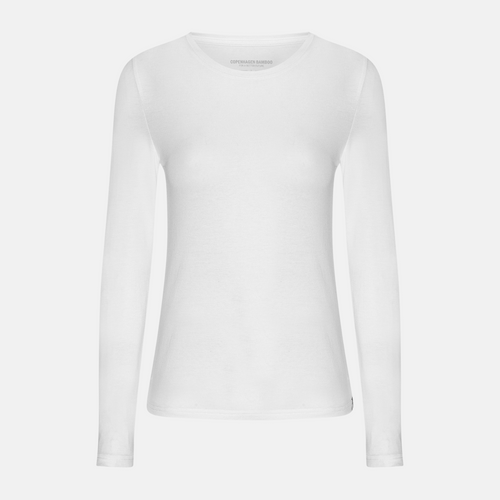
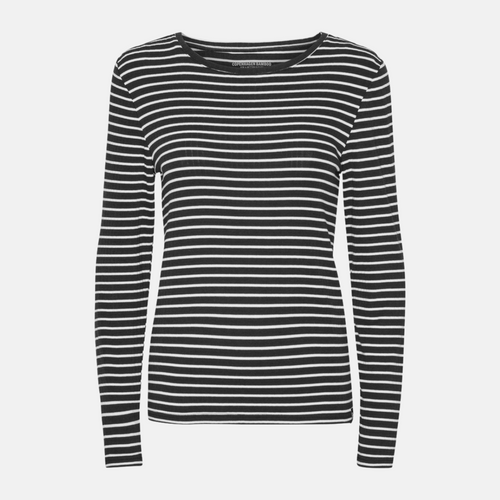
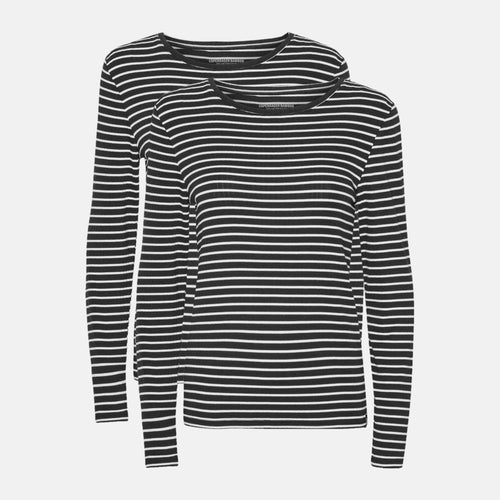
Two garments can have the same width and still fit differently, because the length differs. Compare the length too when both charts give it. It matters especially for a piece such as a women's long-sleeved bamboo T-shirt, where sleeve length changes how it feels on the body.
Underwear and panties
For underwear such as period underwear, hip width is usually the key measurement, and it matters especially to compare body measurement with body measurement. The stretch of the knit means each size covers a range. Find the range your measurement falls in at both brands and compare ranges instead of single numbers.
If a chart lacks a measurement
If the chart lacks the measurement you need, ask the shop. They can often measure a sample and give you the number. With another brand, also check whether the measurement is in the product description instead of the chart. A short question is faster than a return.
The fabric matters too
Charts say nothing about how much the fabric stretches or shrinks. Two garments with the same measurements can therefore fit differently. Read the description and composition before you decide. Pure viscose and cotton typically shrink the most, while stretchy knit gives more and adapts to the body.
How to use the result
Once you have compared anchor, length and fabric, you usually have a clear answer. Choose the size whose numbers lie closest to your measurement, and decide whether you want the garment close or loose. Save your numbers for next time.
Frequently asked questions
How do I tell which kind of chart it is
If it lists bust and waist, they are body measurements. If it says chest width measured flat, they are the garment's. Look for a heading just above the numbers.
Can I convert garment measurements to body measurements
Only roughly. The difference is the ease, which varies with the model, so the figure is a clue, not an answer. Use it to sort, not to decide alone.
What if the chart lacks a measurement
Ask the shop. They can often measure a sample and give you the number, or tell you where it sits in the description. That is faster than guessing.
You can find the full range at Bamboo-Clothing.com.