How to get lint off dark fabric
Short answer: A lint roller with adhesive paper takes most of it. For the last bits, a damp rubber glove works better than anything else, and the best fix is to wash dark and light separately.
Where the lint comes from
Towels, blankets and hair shed short fibres that settle on dark fabric. The fibres come loose in the washing machine and land on everything in the drum at the same time. That is why dark garments pick up lint every time you wash them with something that sheds, however well you brush afterwards.
Why it sticks
The fibres cling through static electricity, which builds up when fabric rubs against fabric during washing and drying. Dark fabric shows lint most clearly, because the pale fibres stand out against the dark background. That does not mean dark fabric collects more lint than light fabric. You simply see it better.
Start with a lint roller
A lint roller with adhesive paper takes the surface and is the quickest place to start. Roll it in long, even strokes over the fabric and switch to a fresh sheet when the old one stops sticking. Roll in one direction and press lightly, so you do not push the fibres deeper into the knit.
A damp rubber glove
For the last bits, a damp rubber glove works better than anything else. Put the glove on, make it slightly damp and draw it across the fabric. The rubber grips the fibres and gathers them into small rolls that you easily lift off with your fingers. It is cheap, and you probably have one at home.
A razor for stubborn lint
If the lint sits deep in the knit, a disposable razor can remove it. Lay the garment flat, stretch the fabric lightly and run the razor lightly and in one direction. Be careful and do not press, so you do not cut the yarn. Use this method only if the other two are not enough.
Wash dark and light separately
The simplest way to avoid lint is to keep it out of the dark wash from the start. Wash dark and light separately, and keep towels well away from the dark wash. Then there is much less to brush off afterwards, and you spare yourself the work.
Fabric softener and lint
Fabric softener helps a little against lint because it reduces static electricity, so the fibres cling less easily. But it reduces absorbency, especially on towels, so it is not a solution for every garment. Consider whether it is worth using on clothes where absorbency matters.
The role of the tumble dryer
The filter in a tumble dryer catches some of the lint, but the dryer also creates new lint, because the laundry rubs against itself while drying. So it only helps in part. Take the filter out and clean it after every drying, and let dark clothes air dry if you want to avoid lint settling again.
Dark clothes for everyday
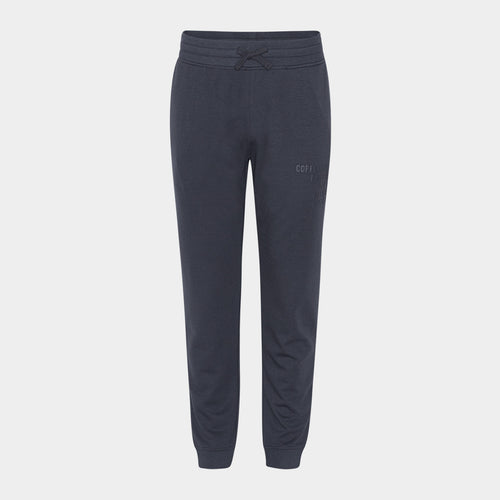
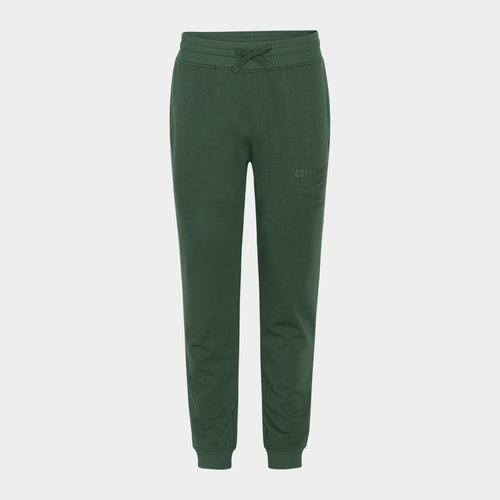
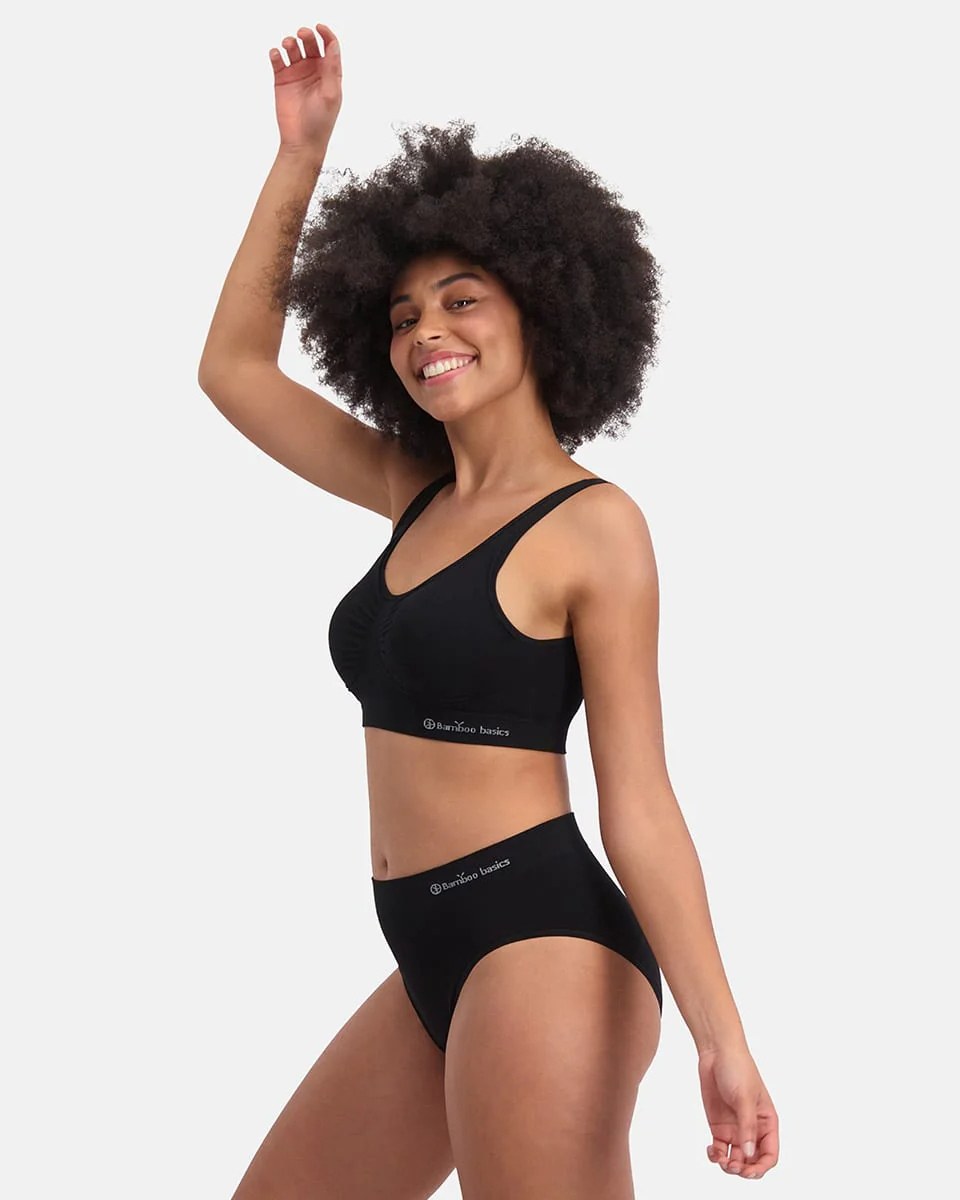
If you want to see more dark clothes for everyday, see bamboo clothing for men, bamboo pants for women and Turiform. Read the care label on each garment and wash dark items separately, so you do not have to roll off lint every time you put them on.
Frequently asked questions
Does fabric softener help against lint?
A little, because it reduces static electricity. But it reduces absorbency, so it does not suit all clothes, and especially not towels and anything else that has to absorb.
Can you remove lint in the tumble dryer?
Partly. The dryer filter catches some, but the dryer also creates new lint because the laundry rubs against itself. Clean the filter after every drying so it works as it should.
Why does lint show most on black?
It does not settle there more. Lint sits just as much on light clothes, but it shows most clearly on black, because the pale fibres stand out against the dark background.
See our range of Nordic Weaving bedding.