How to get white clothing white again
Short answer: White clothes turn grey from dye released by other clothes and from dirt that does not loosen at low temperatures. Both can be fixed with the right habits, but not with chlorine bleach on viscose.
Why white turns grey
Grey whites are rarely a sign of worn fabric. Usually two things happen at once: small amounts of dye from other clothes settle in the fibres, and traces of body oil and skin cells are not fully rinsed out. The layer builds slowly, so you only notice when a new item lies beside it.
Wash whites separately
Even a single light grey sock releases enough dye to grey a whole machine over time. You will not see it after one wash, but you will after twenty. Keep whites separate every time, even when the machine is only half full. Pale colours can go together, just not with pure white. See washing and care.
A high enough temperature
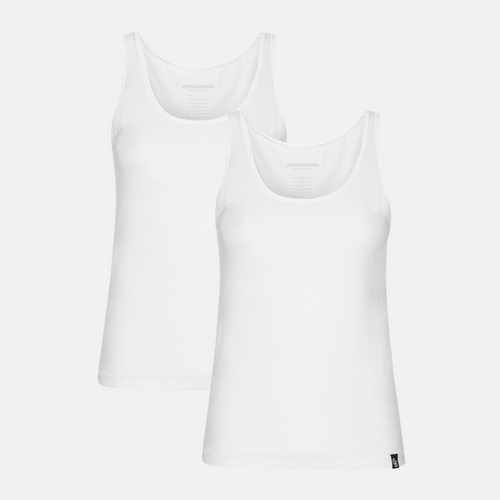
Body oil and skin cells loosen poorly at 30 degrees. Underwear and socks collect the most, because they sit directly against the skin all day. Wash whites at 40 degrees as a rule, and at 60 degrees now and then if the care label allows it. That removes the residue before it settles in.
Oxygen rather than chlorine
An oxygen-based bleach works on viscose without breaking down the fibres. You can add it to the wash or use it as a soak for a couple of hours before the clothes go in the machine. Chlorine, on the other hand, makes fibres brittle and can yellow the fabric over time, leaving it looking worse than before.
Skip the dryer when discoloured
Heat sets discolouration so it cannot be washed out later. If a garment has taken on a grey or yellow tone, hang it to dry until you have treated it. Check the result in daylight once the fabric is dry. This applies especially to white socks, which often go straight into the dryer. See all bamboo socks for men.
Do not overload the machine
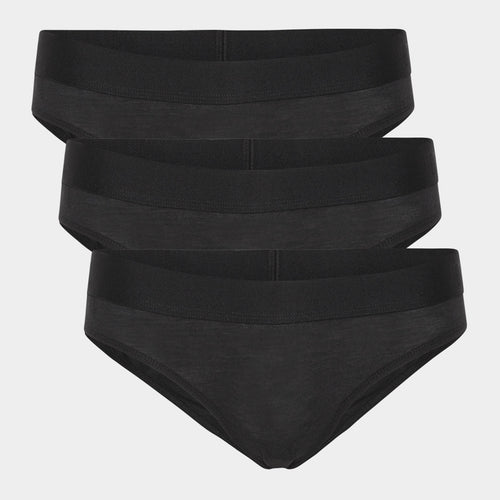
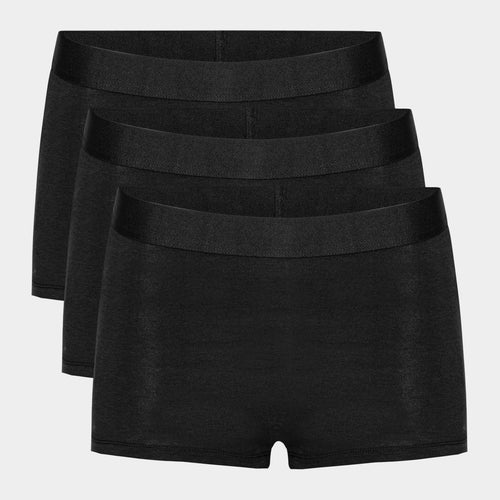
In an overloaded machine, dirt is not rinsed away but settles back into the fabric. Clothes need room to move through the water. A drum about three quarters full is a good guide. This matters most for underwear, which is often washed in large batches at once. See bamboo underwear for women.
The right amount of detergent
Too little detergent will not lift the dirt, and too much stays in the fabric and attracts new dirt. Dose according to your water hardness and how soiled the clothes are. A detergent for whites without added dyes is the gentlest choice. Leave out fabric softener, because it coats the fibres with a film.
Grey clothes can be rescued
If your whites have already turned grey, they can often be brightened again. Soak them overnight in lukewarm water with an oxygen-based bleach, then wash them on their own at 40 or 60 degrees. Repeat a couple of times if needed. The fabric will not always look new, but the difference is usually clear.
In short
White clothes stay white when washed separately, at a high enough temperature, in a machine that is not overloaded. Use oxygen-based bleach rather than chlorine on viscose, and keep discoloured items out of the dryer until they have been treated. That way your whites stay white much longer.
Frequently asked questions
Why do white clothes turn grey?
From dye released by other clothes and from dirt that does not loosen at low temperatures. Both build up slowly, so the difference only shows after many washes.
Can chlorine bleach be used on viscose?
No. Chlorine makes the fibres brittle and can yellow the fabric over time. Use an oxygen-based bleach instead, which works without breaking down the fibres in bamboo clothing.
What temperature for whites?
40 degrees for everyday washing and 60 degrees now and then, if the care label allows it. That loosens body oil and skin cells that a 30 degree wash leaves behind.