How to measure yourself for clothing
Short answer: You need four measurements: chest, waist, hips and inside leg. Measure on bare skin or over thin clothing, keep the tape level all the way round, and do not pull it tight, so the numbers match your body as it is.
What you need
A soft tape measure made of fabric or plastic is the only tool you need. A metal tape from the toolbox will not give accurate numbers, because it cannot follow the curve of the body. Stand in front of a mirror so you can see whether the tape is level across your back. Help makes it easier, but you can manage alone.
Chest
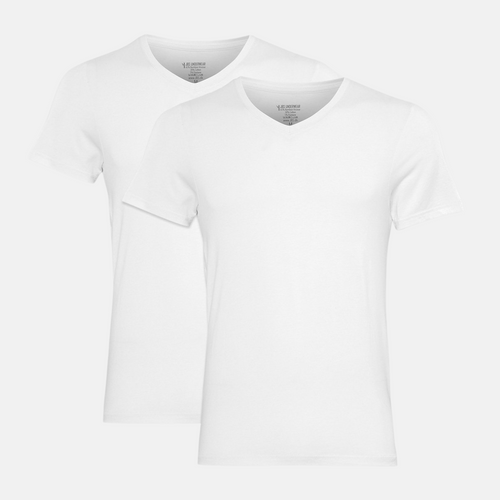
Measure around the fullest part of the chest with the tape level all the way round, including under the arms and across the shoulder blades. Breathe normally and do not hold your breath, or the number will be too large. Let your arms hang relaxed at your sides while you read it. See bamboo T-shirts for men.
Waist
Measure the narrowest part of your torso, usually just above the navel. Do not pull your stomach in, because that gives a size that will not fit in practice when you sit, eat or simply relax. The tape should rest lightly on the skin without cutting in. If you cannot find your waist, bend to the side and look where the skin folds.
Hips
Measure around the widest part of the hips and seat, usually about twenty centimetres below the waist. Stand with your feet together so the number does not come out too large. Briefs, underwear and trousers are all built on this measurement, so it is worth getting right. Read more about fit in our guide to briefs and underwear.
Inside leg
Measure from the crotch down to where you want your trousers to end, for example just above the shoe. It is hard to measure accurately on yourself, so the easiest method is to measure a pair of trousers you already own and like. Lay them flat and measure along the inner seam from crotch to hem.
When to measure
Measure in the morning or around midday when you are calm, not right after a large meal or a workout. The body changes slightly during the day, and fluid can make a difference of a few centimetres. Repeat the measurement twice and use the average if the numbers are not quite the same.
Write the numbers down
Save your measurements on your phone or on a note, so you have them to hand the next time you shop. Measure again after six months or after a change in weight or training. It only takes a few minutes and saves you returns when clothes do not fit as expected.
Compare with the chart
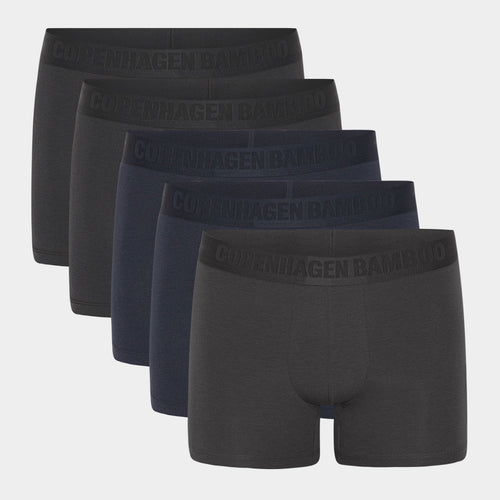
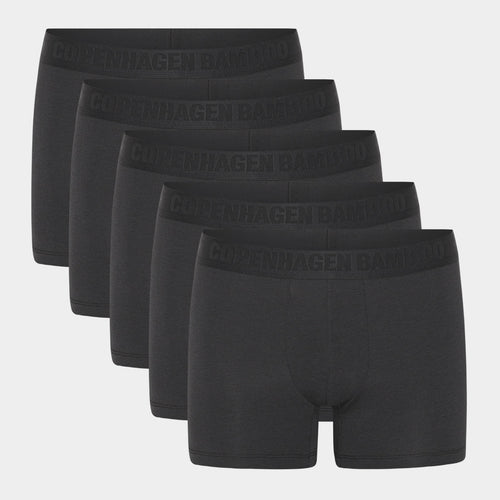
Size labels vary between brands, and a large from one brand can be a medium from another. Always use the size chart for the specific model rather than your usual size. If you fall between two sizes, think about the stretch in the fabric and how you plan to dry it. See bamboo underwear for men.
Measure a garment that fits
If you own something that fits exactly as you want, it makes a good reference. Lay it flat and measure the width from side to side and the length from shoulder to hem. Double the width to get the circumference. Then you can compare directly with the chart and choose with more confidence.
Frequently asked questions
Where do you measure your waist?
At the narrowest part of your torso, usually just above the navel. Do not pull your stomach in, and let the tape rest lightly on the skin without tightening.
Where do you measure your hips?
Around the widest part of the hips and seat, usually about twenty centimetres below the waist. Stand with your feet together while measuring so the number is accurate.
Can you rely on your usual size?
Not across brands. Always use the size chart for the specific model, and compare it with your own measurements in centimetres rather than the letter.
You can find the full range at Bamboo-Clothing.com.