How to sort before handing things in
Short answer: Sort into three piles: clothes someone else can use, clothes that can become something else, and clothes that must be thrown away. These three cover everything on the floor and make it clear what goes and what stays.
Three piles are enough
Sorting gets easier when you only have three choices. Put everything from the floor into three piles: clothes someone else can use, clothes that can become something else, and clothes that must be discarded. You need no further categories, and you avoid deciding on every single garment more than once or twice.
Find room for the piles
Choose a room with open floor space, such as the living room or the bedroom. Lay down three sheets or empty boxes as fixed places, so the piles do not run into each other. Setting up takes a few minutes and saves you from picking things up again if something lands in the wrong place.
Pile one: whole and clean
Whole, clean clothes without stains can be donated or sold, and this is the pile that deserves the most careful handling. Fold the pieces neatly, check pockets and hoods, and keep them apart. Everyday clothes such as bamboo clothing for men can easily get a second life with someone else.
Pile two: worn pieces
Clothes with holes, stains or wear belong in the second pile. They can become cleaning cloths at home or go to textile recycling, where the fibres are turned into insulation or new products. Neither is waste. Even bamboo towels can live on as rags once they are too worn for the bathroom.
Pile three: damp or mouldy
Damp, mouldy or heavily soiled textiles make up the third pile. They can be neither reused nor recycled, and they spoil whatever lies next to them. Check your local council rules on where to drop them off. Keep the pile apart and put it in a closed bag while you carry on sorting.
Handling the borderline cases
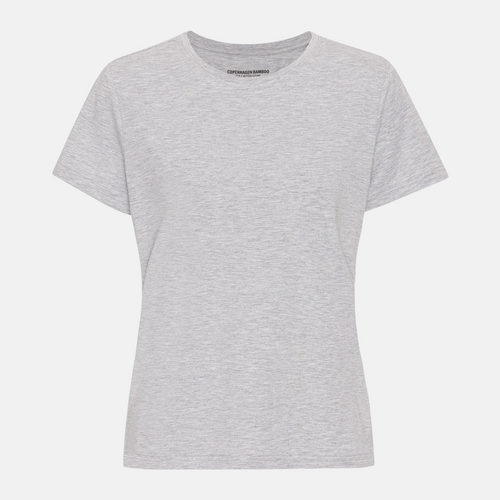
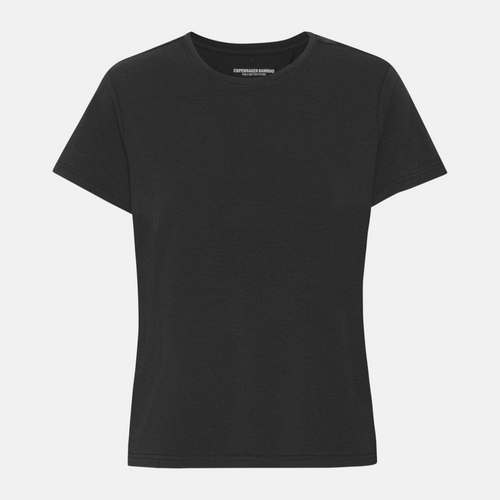
Some garments sit in the middle, such as a t-shirt with one small stain. Use the rule that you only pass on what you would accept yourself. If a piece does not clearly fit pile one, put it in pile two. A bamboo t-shirt for women with a stain belongs there.
Work in order
Take one wardrobe or one drawer at a time so you keep an overview. Lift each garment, look for holes under the arms and at the collar, and put it in a pile straight away. Avoid setting things aside for later, because those are the pieces that end up lying around for weeks.
The rest of the house
Clothes are not the only thing you can sort this way. Bed linen, tea towels and blankets follow the same three piles, and the same demands for clean and dry apply. If you have a lot, split the work over two afternoons instead of doing everything in one day.
When the piles are done
Put each pile in its own bag or box and write on it what it contains. Pile one goes first, while piles two and three can wait for an errand. Get everything out of the house within a week, so the piles do not turn into new clutter in the hallway.
Frequently asked questions
How long does sorting take?
One afternoon for a whole wardrobe. If you have several cupboards and drawers, split the work over two days so you keep an overview and do not send anything off in the wrong pile.
Should you sort by material?
Not necessarily. The receiver sorts further by material and condition, so what matters for you is that the clothes are clean and dry and that usable pieces are kept apart from worn ones.
What if you are unsure about a pile?
Ask yourself whether you would give the garment to someone you know. If the answer is no, it belongs in pile two or three, and the choice is made in a few seconds.
You can find the full range at Bamboo-Clothing.com.