How to work out what is chafing
Short answer: Look at where the redness sits and compare it with the garment. The mark almost always shows exactly which seam, edge or elastic is to blame. Once you know the cause, you can choose a simple fix instead of guessing.
The redness is an imprint
A line on the skin matches a seam or an edge, while a round spot matches a label, a button or a point of pressure. The shape tells you what was lying against the skin. Look at the mark in a mirror while it is still clear, and note where it sits so you can find it again.
Check the garment in the same position
Put the garment on and find the spot where the mark was. You see at once what lay there, because the seam or edge fits the mark. Move the way you did when it started to chafe, such as walking, bending or lifting your arms. See bamboo shorts for men.
Three fixes in order
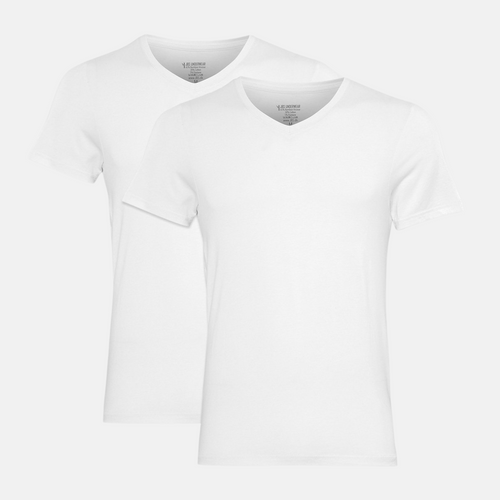
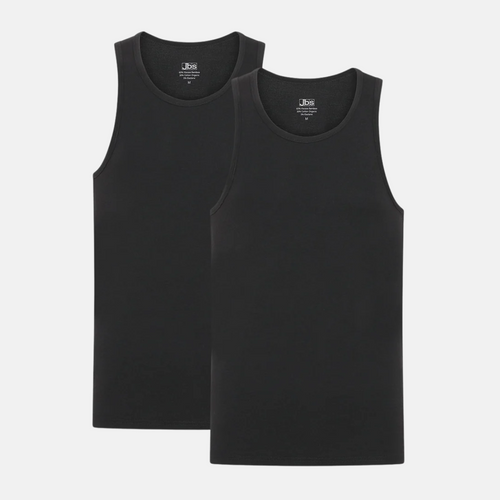
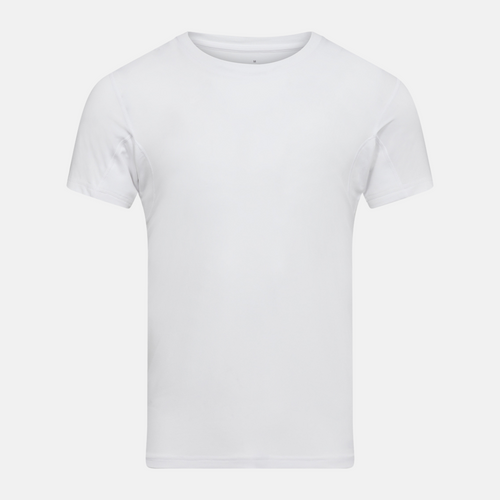
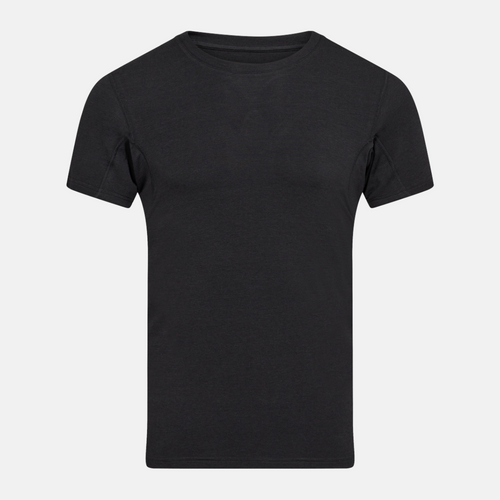
Try another size first, then a smooth layer in between, and last a garment with different seam placement. Change only one thing at a time, so you can see what worked. If you switch three things at once, you will not know afterwards which one solved the problem. See bamboo tank top for men and bamboo undershirt for men.
Size can be too small or too large
Clothing that is too tight strains and presses seams into the skin, while clothing that is too loose folds and shifts around. Both can chafe, but in different ways. Check whether the mark lies where the fit is tightest or where the fabric has folded. Feel free to try one size up or down.
Elastics and edges
Elastic at the waist and leg openings sits close to the skin and can leave a clear mark. If the mark is a wide stripe, it is often the elastic. If it is a thin, sharp line, it is more likely a seam. A wider band spreads pressure, and a waistband that lies flat chafes less often than one that rolls.
Labels and tags
A label at the neck or side can cause a small red spot that only becomes clear after a day of wear. Labels sewn into the seam can often be cut off with small scissors. Cut close, but avoid cutting into the fabric or the seam itself, so it does not come undone.
Moisture and heat
Chafing starts more easily when the skin is damp and warm, because damp skin is softer and wears more easily. If you get problems in warm weather or after exercise, change into dry clothes as soon as you can. A dry, smooth layer right against the skin reduces friction more than most people expect.
How to test a fix
Try the new fix on an ordinary day and not first on a long walk, so you can tell early whether it works. If the skin has no redness afterwards, you are on the right track. If the mark returns in the same place, the cause has not been found yet, and you compare mark and garment again.
When the skin stays sore
If the skin turns red, swollen or keeps stinging, keep the area clean and dry and let it rest. Stop rubbing it and wear loose clothing meanwhile. If you are unsure or it does not improve, talk to your doctor or a pharmacy instead of trying things alone.
Frequently asked questions
What if the mark does not match any seam
Then it is most often the fabric surface or a fold that lay the wrong way. Smooth the garment when you put it on and check whether the fold returns during movement.
Can you repair your way out of it
Sometimes. A seam can be sewn flatter and a label can be cut off. If you have no sewing experience, let a tailor do it so the seam does not come undone.
When should the garment be replaced
When the problem returns every time you wear it and none of the simple fixes has helped. Then the garment is not right for your body or your use.
You can find the full range at Bamboo-Clothing.com.