How two layers of fabric charge each other
Short answer: When two materials rub against each other, electrons move from one to the other. One layer becomes positive, the other negative, and they are pulled toward each other. That is why clothes cling together and crackle, especially when the air is dry.
The electrons change places
Different materials hold on to their electrons with different strength. Through rubbing, one material gives up some electrons to the other, and both layers become electrically charged. The charge is very small, but enough to be felt when the fabrics are pulled apart afterwards.
Separation reveals the charge
As long as the layers lie close, the charges are almost balanced. Only when the fabrics are pulled apart do they show, because then positive and negative charges stand separately. That is why it crackles when you take off a jumper and not while you are wearing it.
Opposite charges attract
A negatively charged layer and a positively charged layer cling together. That is why a skirt sticks to tights, and why a thin blouse can cling to the body. The charges only let go when they find a way out. See bamboo shorts for women.
Moisture solves the problem
If the air is humid, a thin layer of water carries the charges away before they build up. Water conducts electricity far better than dry air. That is why static is rare in summer and in the bathroom. See bamboo training shorts for women.
Why it happens almost only in winter
Outside, winter air is cold and dry, and indoors it gets even drier when the heating is on. The fabric then has no moisture to lead the charge away. The result is clinging clothes, standing hair and small shocks from door handles in cool weather.
Which combinations are worst
Synthetic against synthetic is a poor combination, for example polyester against nylon in dry air. Both materials absorb almost no moisture, so the charge cannot escape. Combinations of different materials that lie far apart in how readily they give up electrons can also build a strong charge.
How to remove the charge quickly
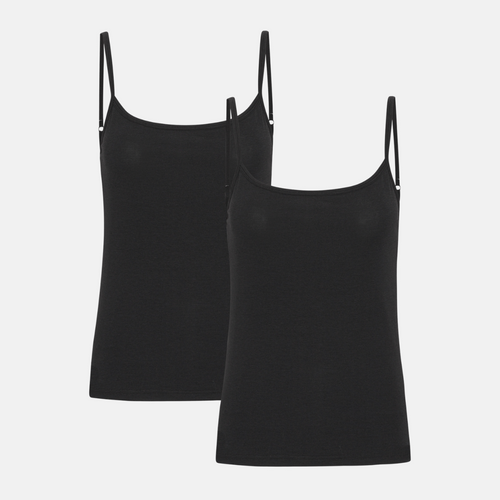
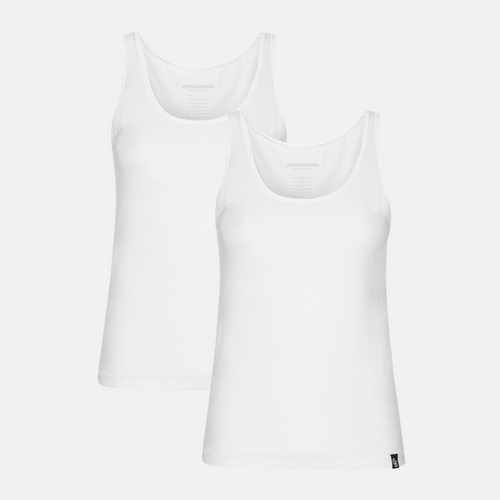
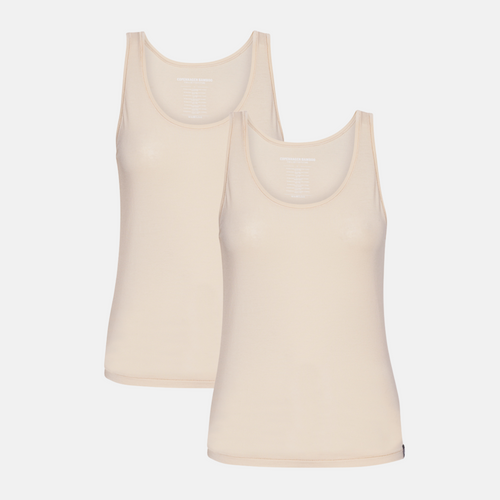
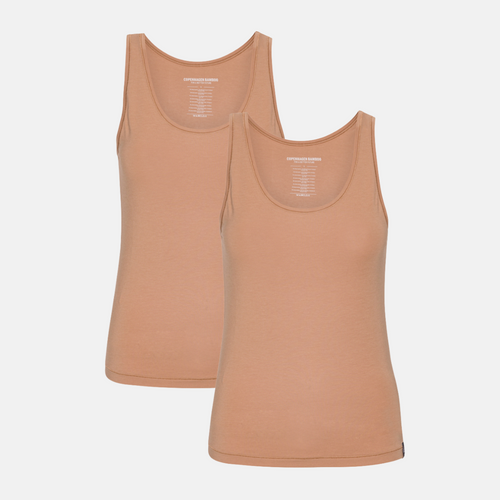
Touch something metal, or moisten your hands lightly and stroke them over the fabric. The moisture carries the charge away, and the metal discharges it. You can also shake the clothes out or take them off and on again. It works fast, but the charge returns if the air stays dry. See bamboo undershirts for women.
Does hanging clothes indoors help
Yes. The moisture from wet clothes raises the humidity in the room, so the charges disappear more easily. Clothes dried indoors are therefore rarely as charged as clothes from a tumble dryer. Air the room so the moisture does not linger.
The charge attracts dust
A charged fabric attracts light particles such as dust, lint and hair. That is why dark garments sometimes look dusty after only a few hours. If you touch the fabric with a slightly damp hand or change the combination, much of the effect disappears again.
Frequently asked questions
Which combinations are worst?
Synthetic against synthetic, for example polyester against nylon in dry air. Both materials absorb almost no moisture, so the charge builds up and cannot escape until something leads it away.
How do I remove the charge quickly?
Touch something metal, or moisten your hands lightly and stroke them over the fabric. The moisture carries the charge away, and the metal discharges it. The charge returns if the air stays very dry.
Does hanging clothes to dry indoors help?
Yes. The moisture from the clothes raises the humidity in the room, so the charges disappear more easily. Air the room afterwards so the moisture does not linger, and use a rack rather than a dryer.
You can find the full range at Bamboo-Clothing.com.