Length measured from the shoulder seam and what it leaves out
Short answer: The length in a size chart runs from the highest point of the shoulder to the hem at the bottom. It says nothing about where the garment ends on your own body. That is why the figure is only useful when you compare it with a garment you already know.
A measurement on the garment, not on you
Two people of the same height can have a different distance from shoulder to waist. The same length therefore ends in two different places on the body. The figure in the chart describes the garment alone, and it does not say whether it covers the stomach when you stand or rides up when you raise your arms.
Where the shoulder point is
The shoulder point is where the shoulder seam meets the neckline, not out at the sleeve. If the point is somewhere else, it changes the figure by several centimetres. That is why it matters to measure in the same place as the chart, if you want to compare your own clothes with the figures in the chart.
What the measurement does not capture
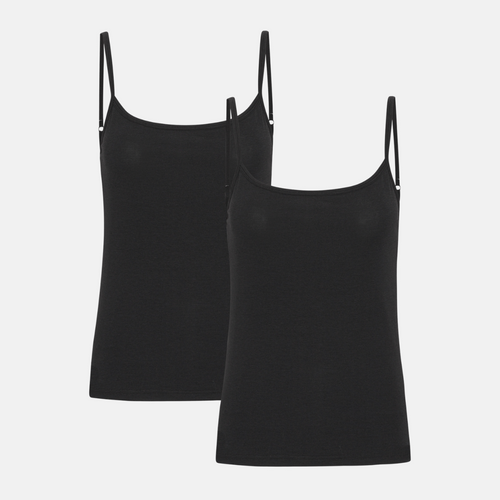
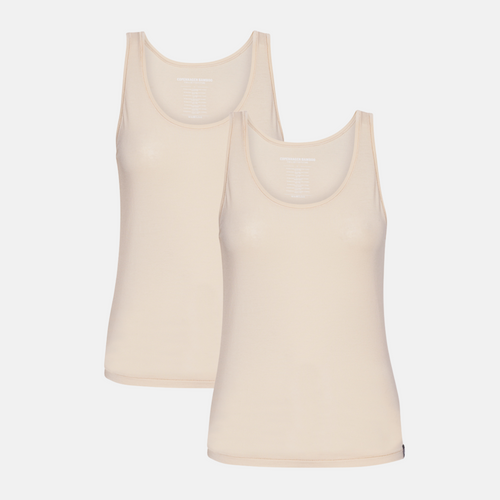
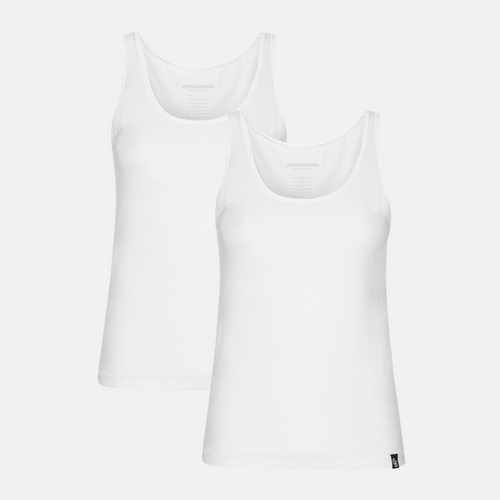
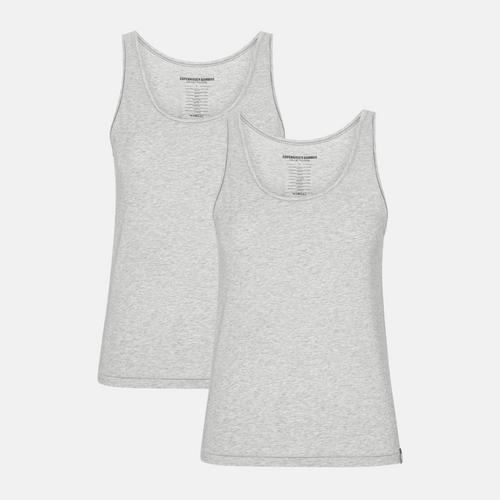
The slope of the shoulder, the fullness of the chest and the stomach all pull fabric upward, so the garment sits shorter than the figure promises. The measurement does not take account of how the fabric falls over the body. See the bamboo t-shirt for women, and remember that the fit matters more for the length on the body than the figure itself.
Back length and front length
The back length can be longer than the front length, because the back piece is cut longer to cover when you bend over. The chart usually gives only one figure, so it is worth reading the description to see which measurement is meant. A back piece cut longer gives extra security.
How to use the figure anyway
Measure a garment you know from the shoulder seam down, and compare. That is the only way the figure becomes usable. If you have an undershirt you like, you can measure it and compare with a bamboo undershirt for women, so that you know whether the length suits your body.
Does the garment get shorter after washing
Yes, usually one to three centimetres in knit. The change is greatest in the first few washes and becomes smaller afterwards. If you want to be sure the garment is still long enough after washing, it is a good idea to choose a size where the length is a little above the figure you actually want.
Length in everyday life
The length decides whether the garment covers the waistband when you bend over and whether it can be tucked into trousers. Think about how you use the garment and how little you want it to ride up. For wearing at home, length plays a different role than for clothes that must sit neatly all day.
Homewear and length
For homewear and relaxed clothing, length can be a matter of taste, and a slightly longer fit can feel comfortable. See home and homewear in bamboo, where you can choose by what feels pleasant. Always compare with a garment you know, so that the figure gets a meaning.
Frequently asked questions
Where exactly is the shoulder point measured?
Where the shoulder seam meets the neckline, not out at the sleeve. If you measure somewhere else, the figure differs by several centimetres from the chart.
Why is the back length sometimes longer?
Because the back piece is cut longer to cover when you bend over. The chart often gives only one figure, so read the description to see what is meant.
Does the garment get shorter after washing?
Yes, usually one to three centimetres in knit. The change is greatest in the first few washes, and after that it usually becomes smaller.
You can find the full range at Bamboo-Clothing.com.