Loose threads in new clothes
Short answer: A loose thread is almost always a leftover from sewing and not a defect. Cut it off close to the fabric and never pull on it, or you can unravel the seam from the inside. Several of them are cosmetic and not a sign of poor clothing.
What a loose thread really is
A loose thread is a leftover piece of the yarn used to sew the garment together. It usually sits at a seam, along an edge or at the hem. It looks like a flaw, but it is mostly a small bit of extra yarn that was not fully trimmed at the factory before the garment was packed.
Why they stay behind
When a seam is finished, the thread is cut with a small tail left over, and that happens very fast in a busy production line. Some of those tails slip through inspection because they are hard to spot. That says nothing about how well the garment is sewn or how strong the seam is.
How to cut them off
Take a small, sharp pair of scissors and cut the thread right next to the fabric without touching the seam itself. Lift the thread slightly away from the garment so you can see where you are cutting. Hold the fabric flat with your other hand so you do not nick the material by accident.
Why you should never pull on it
It is tempting to tug a thread that sticks out, but it is the worst way to remove it. A seam is made from one long connected thread, and if you pull the end you can draw a whole stretch of the seam out from the inside. Then you have a hole that was not there before.
When the thread is a snag
If the thread is a loop sticking up from the fabric itself rather than out of a seam, it is a snag. It should not be cut. Gently push it back to the wrong side with a needle or a crochet hook. This applies especially to knits and dense fabrics such as bamboo t-shirts for men.
When a thread sits close to an edge
A thread at the edge of a sleeve or waistband can be hard to trim without damaging the seam. Deal with it from the inside, where you can see how the seam runs. Cut only what clearly sticks out and leave anything that lies inside the seam exactly where it is.
When it points to something else
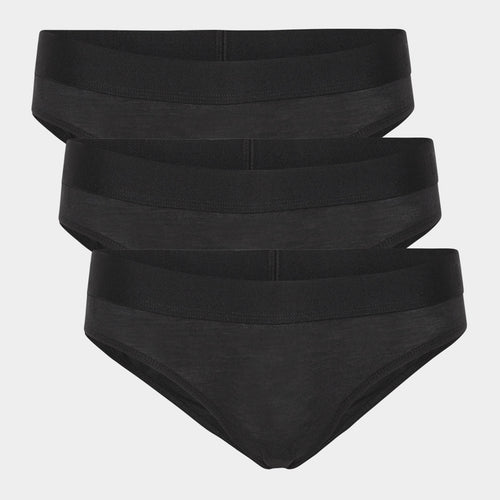
If a seam starts to open, you often see a thread that gets longer each time you wear the garment. Then it is no longer a simple loose end. Sew the seam closed again with needle and thread in the same color before the hole grows. This goes for bamboo underwear for women too.
Check new clothes before wearing them
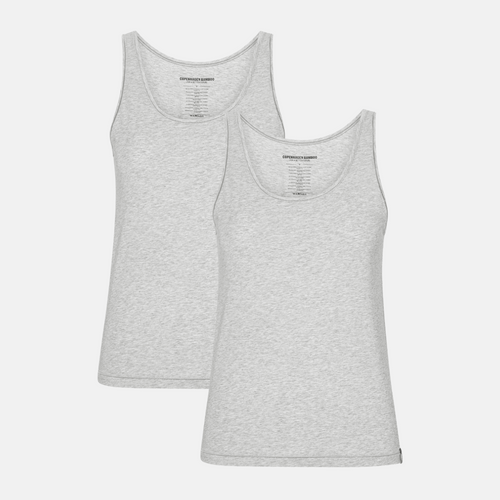
It takes only a minute to go over a new garment. Turn it inside out, look along the seams and snip off any threads you find. That way you do not spot them later and feel tempted to pull. It is a good habit for all new clothes, including bamboo clothing for women.
Do more appear over time
No, a thread that has been cut does not come back. New loose threads after some time in use are instead a sign that a seam is wearing. If you see them, look at the seam right away and close it before it turns into an opening in the garment.
Frequently asked questions
Can you make a complaint about loose threads
Rarely, since it is cosmetic and not a functional defect. Only complain if there are very many, or if the seams otherwise look loose and uneven.
What if there are many loose threads
Then the inspection was sloppy. Cut them off and check whether the seams are even and closed all the way around before you keep the item.
Do more loose threads appear over time
No, they do not grow back on their own. New loose threads after use mean a seam is coming apart, and you should close it quickly.
You can find the full range at Bamboo-Clothing.com.