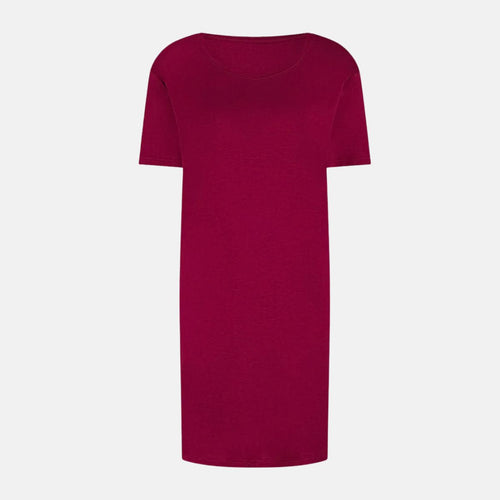
Many hours in bed and clothes that do not chafe
Short answer: Choose smooth fabric without seams at pressure points, and change the sheet more often than usual. Skin stays in contact with the same spot for many hours, and even a small edge can become noticeable after a few days.
Where the pressure falls
Lying down a lot puts weight on the heels, hips, tailbone and elbows. That is where skin is most exposed, and that is exactly where a seam or a fold in the sheet is felt most clearly. Other spots on the body rarely notice the same edge.
Smooth fabric instead of thick
A smooth, thin sheet creates less friction against the skin than a thick, rough one. Pull the sheet tight so no folds form, and change it more often than once a week if someone lies in the same position day after day.
Sleepwear follows the same rule
Choose styles without seams down the back and without a label at the neck. Soft qualities without hard edges matter most, both at side seams and at the waistband, which can otherwise press a line into the skin.
Bamboo sheets against pressure points
See bamboo sheets and bamboo fitted sheets, where the fabric is smooth and thin enough to follow the mattress without forming folds around the spots where body weight rests most heavily through the night.
Sleepwear for her
See bamboo sleepwear for women, where the cut avoids hard seams over the hip and shoulder. That makes a difference when lying on one side for many hours at a stretch without changing position often enough.
Change position regularly
Even the softest fabric cannot replace shifting weight from time to time. A pillow under a heel or a slight turn of the body relieves one spot while another takes over, and that prevents pressure better than clothing alone can.
Pillows and how tight the sheet sits
A loose sheet creates more folds than a tight one, and folds are where most pressure sores start. Pull the sheet firmly at every change, and feel free to use a pillow or two to relieve knees and ankles at night.
Moisture and skin in close contact
Lying long in the same position can let moisture from the body build up against the skin and make it more vulnerable. A fabric that carries moisture out into the sheet rather than holding it keeps skin drier and less exposed overnight.
Our range
See bamboo sheets, chosen for exactly the nights when someone lies for many hours at a stretch without changing position very often, and where skin therefore needs extra gentle fabric.
Frequently asked questions
How often should the sheet be changed
With many hours in bed, ideally twice a week or more. With sweat or an accident, change it right away regardless of how many days have passed since the last change.
What helps against pressure besides clothing
Change position regularly through the day and night. With redness or sores on the skin, contact a doctor or nurse instead of trying to treat it yourself.
Is bamboo viscose better than cotton here
It is smoother and moves moisture away from the skin faster, and both of those help against chafing. The difference is most noticeable with many hours of use at a stretch.
You can find the full range at Bamboo-Clothing.com.