Many thin layers or one thick one
Short answer: Several thin layers let you adjust your warmth through the day, while one thick layer is simpler and quick to put on. For changing weather and activity, several layers are usually the best choice.
Why layers work
Clothes keep you warm by holding a thin layer of air close to the body. Between two thin layers a pocket of air forms, and it works as extra insulation. Several layers also give you the freedom to take one off if you get warm, whereas one thick garment can only be fully on or fully off. On days when you move between cold air outside and warm rooms inside, being able to adjust is a clear advantage.
Benefits of one thick layer
One thick garment is quick to put on and needs no thought about what goes under what. It suits days of even temperature where you do not change much, such as a quiet day at home. The drawback is that you cannot adjust. If you get warm you sweat, and sweaty clothes turn cold when you pause. That is rarely a good solution if you are on the move.
The innermost layer
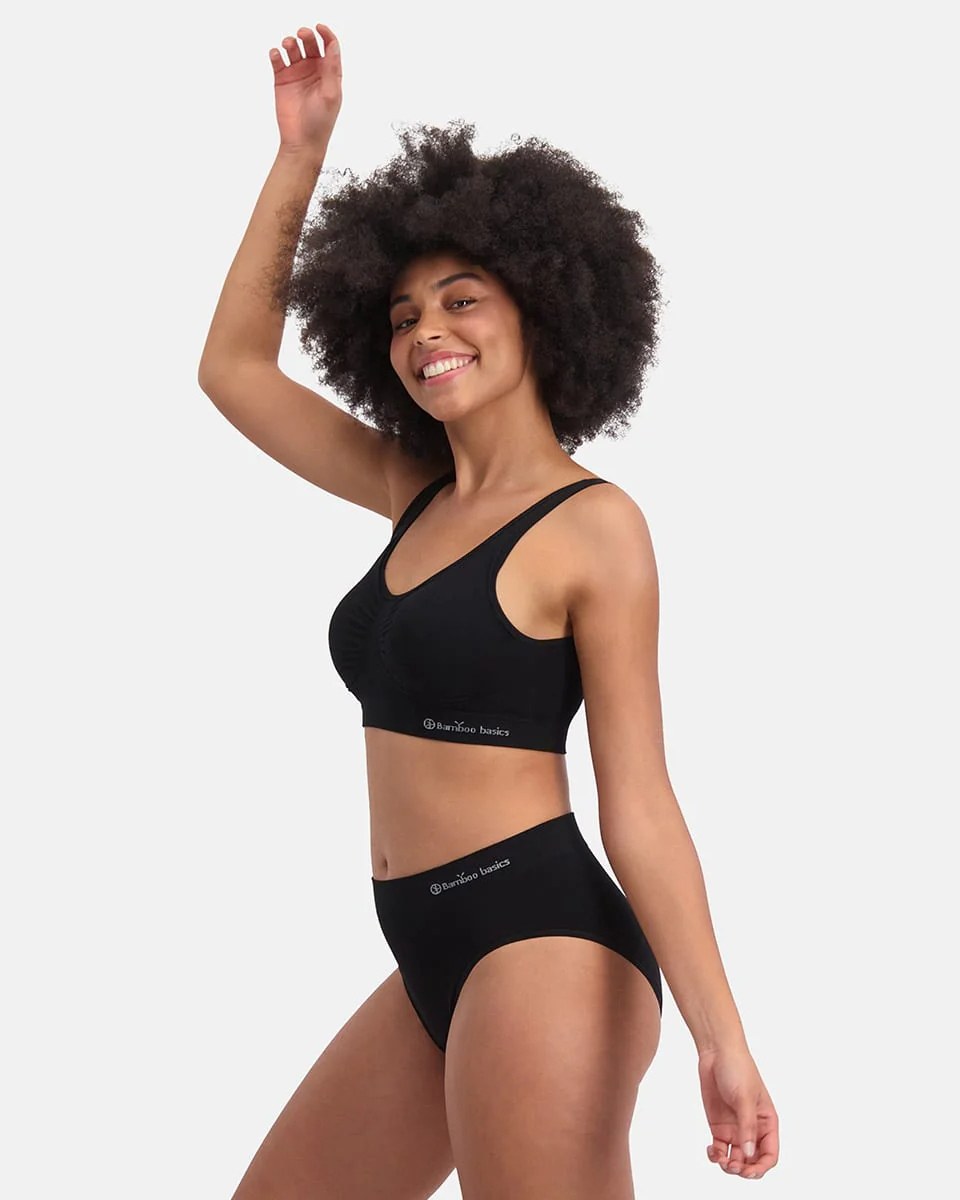
The innermost layer lies against the skin and should be soft, smooth and thin. It should not be thick, but give a pleasant surface over which the other layers can slide. See bamboo bra without underwire and bamboo panties as examples of clothes that sit close and should not add bulk. Thin garments without heavy seams mean the layers on top do not chafe.
Training trousers and layers for the lower body
On the lower body, simple layers are useful too. For a cool outing you can wear a thin pair of trousers under a looser pair that you can take off when it gets warmer. See bamboo training trousers for women. Choose trousers that do not pinch at the knee and thigh, so you can move freely, even with layers underneath. For exercise it is important that clothes follow the movement.
When one layer is enough
If the temperature is fairly steady and you will not move much, one layer of good quality is plenty. Many prefer a single, slightly thicker knit for quiet days at home. Then there is no reason to make it more complicated than necessary. Think about what the day demands before you choose. Cold wind and rain call for an outer layer, however many layers you wear underneath.
Our recommendation by situation
Choose several thin layers if you are outdoors in changing weather, move between warm and cold rooms or are active. Choose one thick layer if you stay at home at an even temperature or need to leave quickly. Begin with a thin inner layer, a middle layer of knit or fleece and an outer layer against wind and rain. You can always take one off, but you cannot put on more if you did not bring it.
Frequently asked questions
Are several layers warmer than one thick one
Often yes, because air forms between the layers and you can adjust. But too many layers can feel tight and restrict movement.
Which layer should go innermost
A thin, soft layer that sits close and does not chafe. Viscose from bamboo is one example, but choose by fit.
How do I avoid sweating in layers
Take a layer off as soon as you feel warm, and choose breathable fabrics on the inside so moisture can escape.
You can find the full range at Bamboo-Clothing.com.