Measure a garment they already own
Short answer: Three measurements are enough: chest width, length and sleeve length. Lay a garment the person already wears and likes flat on a table and measure with an ordinary tape. Then you have numbers you can compare with a size table.
Why measure something they already own
Letter sizes say less than you think, because they vary between brands. A measurement in centimetres stays the same whatever the label. When you measure a garment the person already wears and likes, you get a concrete number for the fit they prefer, without asking anyone or guessing the size.
Choose the right garment
Choose a garment the person likes and wears often, whatever its age. It should resemble what you want to buy: measure a jumper if you are buying a jumper, and trousers if you are buying trousers. Avoid anything shrunk or stretched by many washes, because that gives a misleading number.
How to measure
Lay the garment flat on a table and smooth it out without pulling. Use an ordinary tape and hold it taut, but without distorting the fabric. Take each measurement twice to be sure. If the numbers differ, use the average. It takes a few minutes and needs nothing more than a table and a tape.
Chest width
Measure the chest from armpit to armpit just below the sleeve seam, with the garment lying flat. That figure is only half the circumference, so remember it when you compare with the table. Some tables list half the measurement, others the whole, and if you mix them up you end up with a size far too big or far too small.
Length and sleeve length
Measure the length from the shoulder seam to the bottom edge. Measure the sleeve from the shoulder seam to the cuff. Both show where the garment ends on the body, and they often matter more for comfort than people expect. A jumper with the right chest width but a sleeve too short feels wrong, even if the size on the label looks right.
How to use the measurements
Compare the three numbers with the table for the item you are considering. Two centimetres of difference is barely felt, four is noticeable. If your measurement falls between two sizes, think about whether the person prefers loose or close fitting clothes. See bamboo clothing for men and compare the listed details with your numbers.
When to measure something else
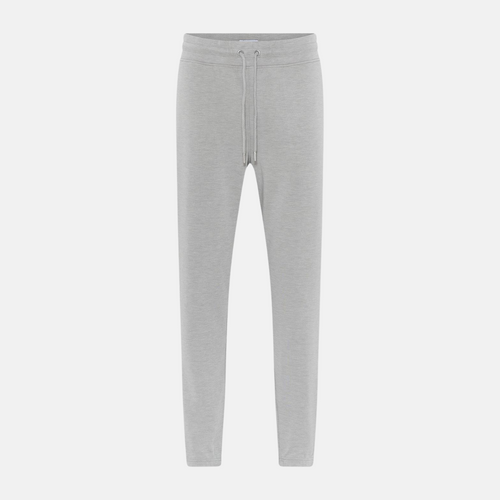
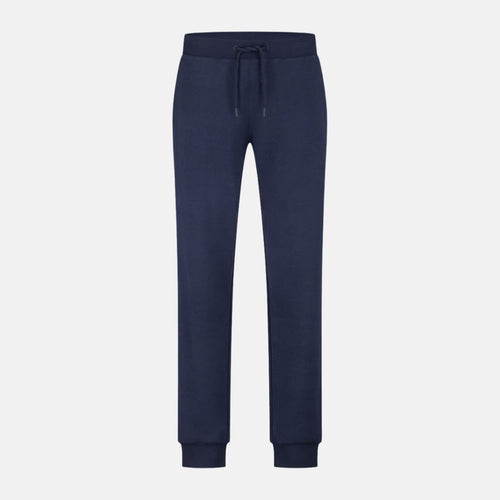
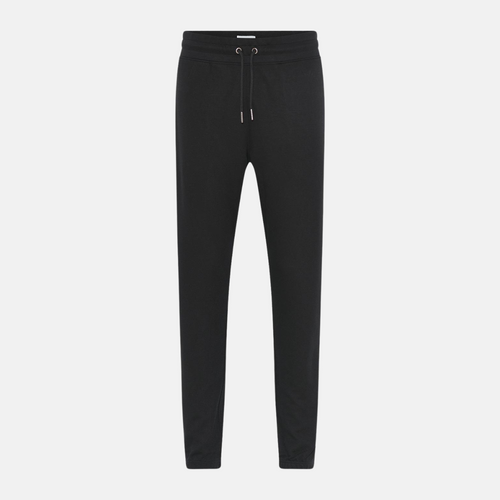
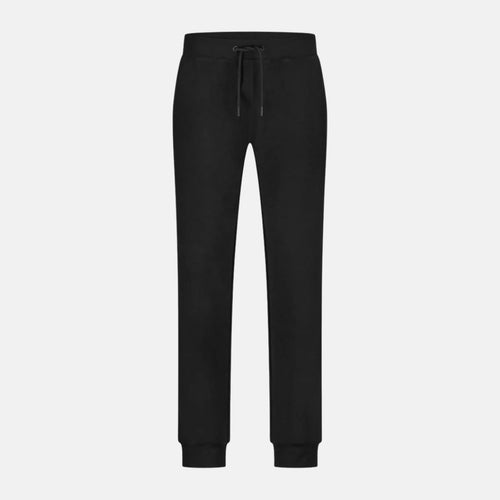
For trousers, measure the waist and the inside leg. Lay the trousers flat, measure the waist straight across, and double the number if the table gives the circumference. Measure the leg from the crotch seam to the bottom edge. See bamboo hoodies for women and bamboo sweatpants for men once you have your numbers ready.
What if the garment is stretched
If the garment is stretched from use, measure another of the same type for comparison. Materials can give a little over time, so a very old piece does not always show the size it once had. Two or three garments give a better picture than one, and they can nearly always be found in the wardrobe.
Write the numbers down
Write the numbers in your phone with a name and the type of garment, so you have them next time. Note whether you took the half or the full measurement. With three or four measurements per type, you have what you need to choose a size in most shops, without asking again.
Frequently asked questions
Should you measure a new or an old garment?
One the person likes and wears often, whatever its age. It should be neither stretched nor shrunk, or the numbers will not show the fit they actually prefer.
What if the garment is stretched from use?
Then measure another of the same type for comparison. Some pieces give a little over time, so two or three garments give a more reliable picture than one.
How exact do you need to be?
To the nearest centimetre is plenty. Measure twice, take the average if the numbers differ, and write them down straight away so you do not have to remember them.
You can find the full range at Bamboo-Clothing.com.