Mesh panels in a knit and where they go
Short answer: Mesh is small holes knitted into the fabric. They are placed where the body gives off the most heat and moisture, and they only work if the air can get out of the garment. That is why mesh usually sits in the outermost or the only layer.
Holes with a system
A mesh is made by skipping needles in a pattern. The result is a surface with even holes, which is stronger than a fabric where holes had been cut. The holes are part of the knit itself, and so they do not fray when the fabric is washed and worn again and again.
Where they help
The back between the shoulder blades, the sides under the arms and the back of the knee are where heat gathers. Here small holes give air without making the whole garment thin. See bamboo jogging suit for men for everyday wear and light exercise.
When mesh does not work
If a dense layer sits on the outside, the air has no way out, and the holes make no difference. Mesh therefore belongs in the outermost or the only layer. It is a common mistake to put a jacket over a mesh and then wonder why the garment still feels warm.
Does mesh make fabric weaker
Slightly, but the holes are knitted and do not fray like cut holes. The knit holds together around each hole, because the stitches stand straight around it. Still, mesh is not as dense as a smooth surface, so avoid catching it on sharp hooks.
Can you see through mesh
Yes, to a greater or lesser degree. That is why it is rarely placed over the chest, but more often on the back, sides and under the arms. Small holes give little see-through, large holes more. Hold the fabric to the light to see how much passes. See bamboo T-shirts for men.
Is mesh only for sport
No. It is also used in nightwear and underwear for warm nights and in everyday clothes where you want a little extra air. For sport, mesh is practical because the body gives off more heat and moisture. But a quiet day at the office can also handle a garment with some air at the back.
Mesh and polo shirts
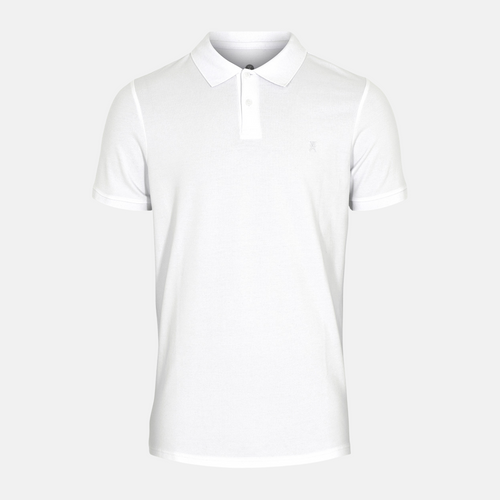
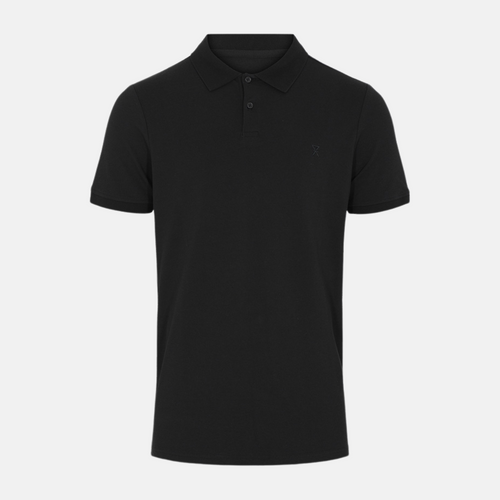
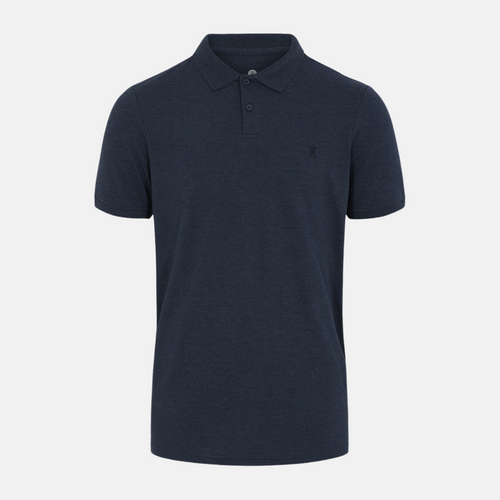
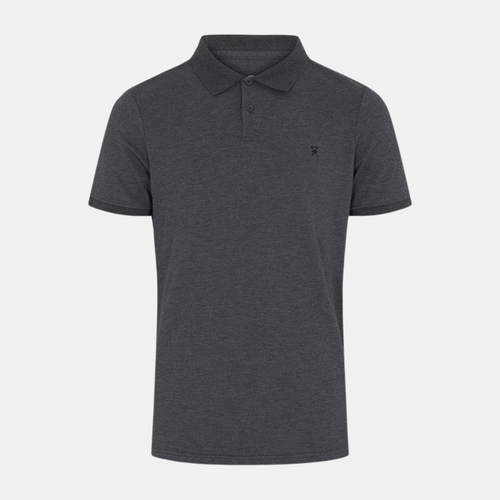
A polo has a different build from a T-shirt, but airy panels can help here too if you warm up quickly. See bamboo polos for men. Check that the mesh panels sit where you get warm yourself, and not just where they look nice.
Washing and caring for mesh
Wash mesh at a low temperature and preferably in a wash bag, so the holes do not catch on zips or hooks. Avoid wringing the fabric, because it can pull the stitches crooked. Let the garment dry flat or on a hanger, and avoid fabric softener, which can leave a film on the yarn.
How to choose a mesh garment
Look at where the holes sit and whether they suit your body and your use. For hard movement, holes on the back and sides are practical. For a quiet day, a garment without mesh is perfectly fine. Mesh is a tool, not a requirement, and it works best when it suits what you are doing.
Frequently asked questions
Does mesh make fabric weaker
Slightly, but the holes are knitted and do not fray like cut holes. Avoid sharp hooks and wash in a wash bag, and the mesh panel lasts longer in daily use.
Can you see through mesh
Yes, to a greater or lesser degree. That is why it is rarely placed over the chest, but more often on the back, sides and under the arms, where see-through matters less.
Is mesh only for sport
No. It is also used in nightwear and underwear for warm nights and in everyday clothes where you want a little extra air in the areas where the body gets warm.
You can find the full range at Bamboo-Clothing.com.