Microfibres from washing and what gets out
Short answer: All textiles release tiny fibres when washed. Synthetic fibres do not break down in nature, while plant-based fibres do over time. You cannot stop it completely, but good washing habits can limit it.
What happens in the machine
Movement in the drum pulls loose fibre ends from the fabric. The fibres leave with the water and travel on to the treatment plant, where some are caught and some pass through. This applies to all clothes, whatever the material, so it helps more to think about how you wash than to look for a fabric that releases nothing.
Why it matters at all
Tiny fibres are hard to see, but they do not simply vanish. Some are caught at the treatment plant, and others pass on with the water. How long they last depends on what they are made of. That is why the type of material matters more than many think when you want to understand what is released.
The difference between fibre types
Polyester and nylon stay in nature because they do not break down. Cotton and viscose break down over time. That does not make plant-based fibres irrelevant, only different in how they build up. See Bamboo Basics for basics where you can read the material on the label.
Wash less often
The first thing that helps is washing less often. Every wash brings movement in the drum and loose fibres with it, so fewer washes mean fewer fibres. Many garments can be worn several times before washing. Underwear and socks change daily, but outer layers can often wait, which saves time and clothes.
Wash colder
Washing colder is the second habit that helps. Choose the lowest temperature the care label allows, and skip hot water when it is not needed. Together with fewer washes it means less movement per garment and so fewer loosened fibres. Always follow the instructions in the garment.
Full machines
A full machine means fewer washes in total. Together with washing less often it gives less movement per garment, and movement is what loosens fibres. Do not overfill the drum, though, so the water can move around the clothes. Wait until the basket is full rather than starting two half loads.
Air outer layers
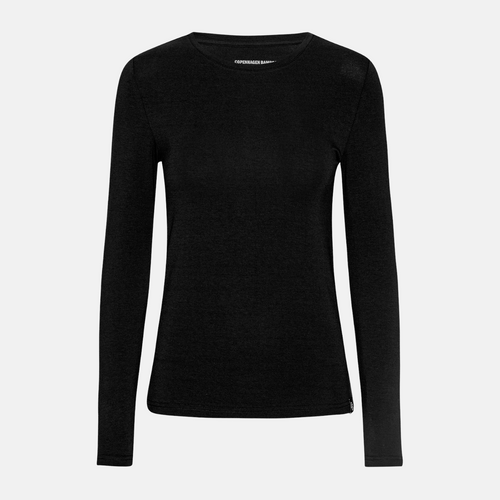
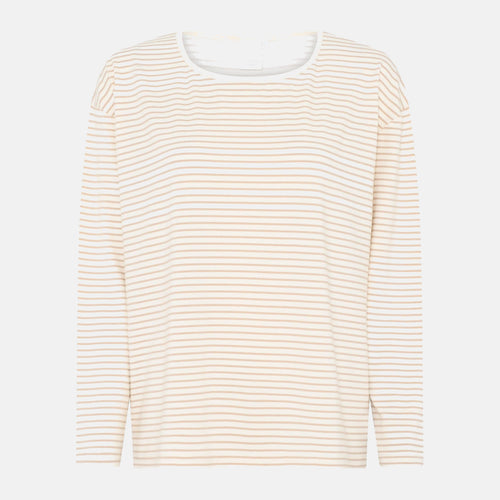
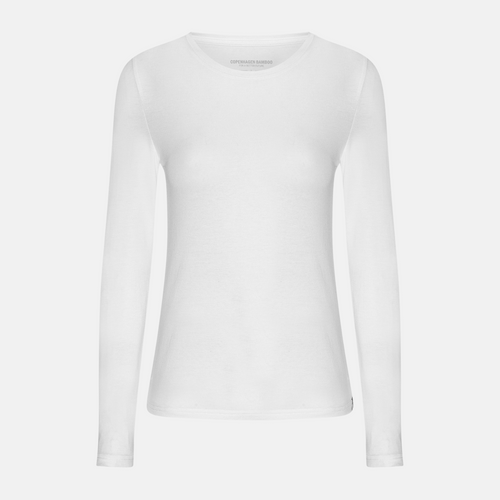
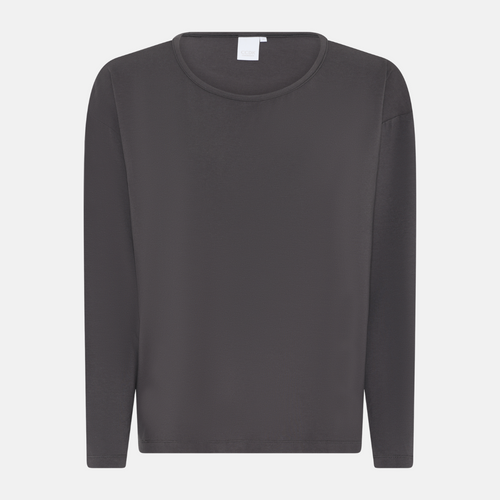
Outer layers such as sweaters, trousers and shirts rarely need washing after every wear. Hang them on a hanger in fresh air and leave them until next time. That lowers the number of washes and keeps clothes looking good longer. See women's long sleeved bamboo t-shirt and bamboo t-shirt for women.
New clothes and the first washes
The first washes release the most, and then it falls. New clothes can release a little more at first, and that is normal. Wash them by the care label and avoid washing them needlessly often in the first weeks. The loosest fibres come off first, and the fabric settles afterwards.
Which fabric is better
Dense fabrics of long fibres release less than loose fabrics of short fibres. No fabric releases nothing, so look at quality, density and garments you will really wear for a long time. The longer a garment lasts, the fewer new ones need making and washing, so lifespan counts too.
Frequently asked questions
Do new clothes release the most
Yes. The first washes release the most, then it falls. Wash new clothes by the care label and avoid washing them more often than needed at first.
Does a wash bag help
It catches part of the fibres but does not remove them completely. Use it for delicates, and wash less often with full loads for a better effect.
Which fabrics release the least
Dense fabrics of long fibres release less than loose fabrics of short fibres. No fabric is free of release, so wash less often and choose garments you can wear for a long time.
You can find the full range at Bamboo-Clothing.com.