Microplastic from clothing in the washing machine
Short answer: Synthetic fibers shed small plastic pieces with every wash, no matter how carefully you wash them. Bamboo viscose is cellulose and does not shed plastic, but it does shed fibers like any other fabric does through normal use.
Where the microplastic comes from
Polyester, nylon, acrylic and fleece are essentially plastic. During washing, small pieces break off the surface and get rinsed out with the water. Fleece and old, worn clothing shed the most, while newer, denser fabric sheds less, because the fibers sit more tightly together and loosen more slowly.
What cellulose fibers do
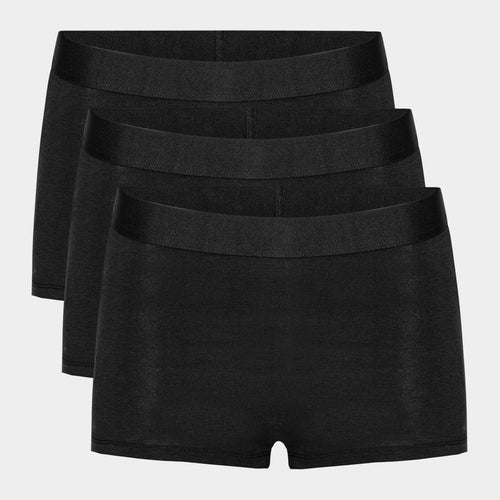
Bamboo viscose, cotton and lyocell also shed fibers in the wash, but because they are cellulose, they break down in nature just like other plant material. That is why they do not count as microplastic in that sense. See bamboo clothing for women as an example of everyday clothing made from cellulose fibers.
Why the difference matters
Microplastic from synthetic fibers accumulates in nature and does not break down within a reasonable time, while cellulose fibers enter the same cycle as leaves and wood. The amount of fiber shed can look similar, but it is what the fibers are made of that decides the consequence afterward.
How to reduce the shedding
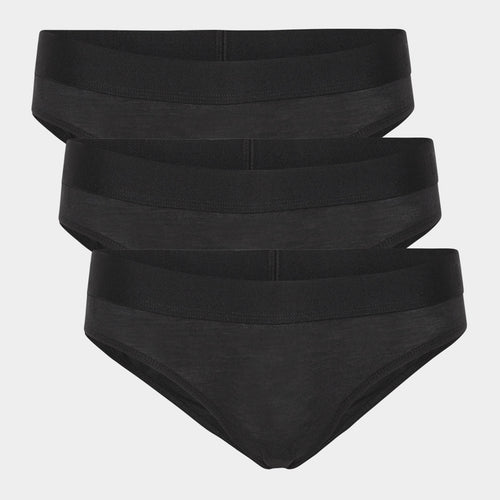
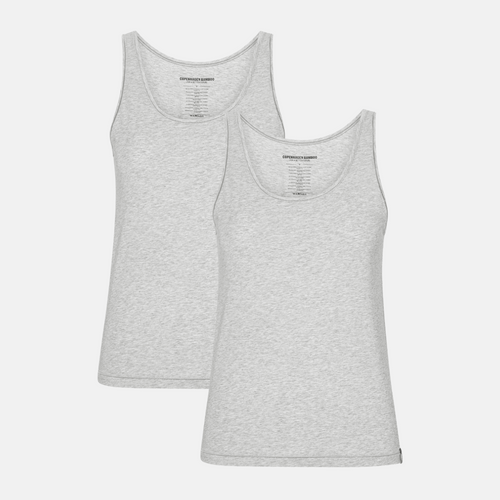
Wash less often and at a lower temperature, fill the machine properly so clothes rub against each other less, and use a washing bag that catches loose fibers before the water drains away. See bamboo underwear for women and bamboo t-shirts for men as examples worth washing gently.
New clothes shed the most
The first few washes after purchase typically release the most loose fibers, because excess threads left over from manufacturing come loose along the way. This applies to both synthetic and natural fibers. One or two extra rinses early on, ideally at a low temperature, can noticeably cut the total amount over the life of a garment.
Washing bag or filter
A fine mesh washing bag catches a large share of the fibers that would otherwise disappear with the wastewater. Some washing machines can be fitted with a filter between the drum and the drain. Both solutions need to be emptied and cleaned regularly in order to keep working properly.
Less washing, longer life
The less often a garment is washed, the fewer fibers loosen from the surface, and the longer the fabric stays intact. Air clothes out instead of washing them after every wear when they are not genuinely dirty, and save the full wash for when it is actually needed.
What you can actually influence
You cannot avoid fiber shedding entirely, but you can influence how much and how often. Detergent without abrasive particles, shorter cycles and full loads reduce the friction between garments and therefore also the total amount of fiber released through the drain.
Seeing it in context
Microplastic from laundry is only part of the bigger picture, where car tires, paint and other sources also contribute significantly. Which fiber you choose for your wardrobe makes a difference, but the single most effective step remains washing less often and at a lower temperature regardless of material.
Frequently asked questions
Do all clothes shed fibers in the wash
Yes, they do. The difference lies in whether the fibers are plastic, which accumulates in nature, or cellulose, which breaks down again over time.
When does a garment shed the most
During the first few washes after purchase, and again later once the fabric starts to wear and the fibers sit more loosely in the weave or knit.
Does a filter on the drain help
Yes, if it is fine enough to catch the smallest fibers. A washing bag for fibers is often the easiest solution to keep at home.
You can find the full range at Bamboo-Clothing.com.