Microplastics from washing and where bamboo stands
Short answer: Synthetic fibres such as polyester and nylon shed plastic fibres when washed. Bamboo viscose, on the other hand, is a cellulose fibre, so the fibres that come loose from the viscose part of the fabric are not plastic, even though many items still contain a small share of elastane.
Where the microplastic comes from
Every wash tears small fibres loose from clothing regardless of material. If the item is made of polyester or nylon, the loose fibres end up as plastic particles in the wastewater. The amount depends on wash temperature, spin speed and how worn the fabric already is.
Cellulose instead of plastic
Bamboo viscose is made from plant mass that is dissolved and pushed through nozzles into threads. The fibres that come loose during washing are therefore cellulose, not plastic, and they break down in nature differently from synthetic fibres.
Elastane is still synthetic
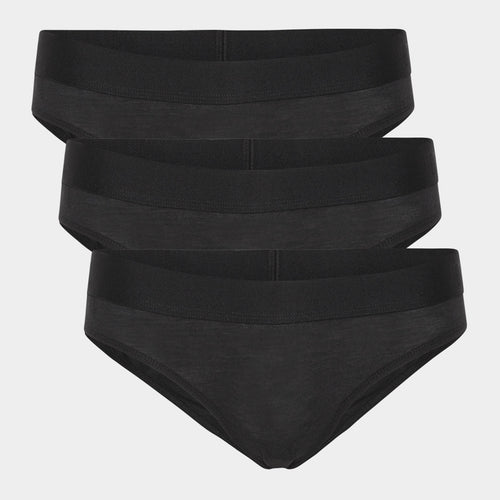
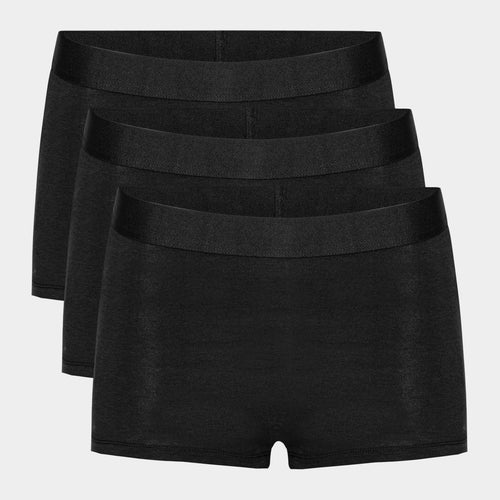
Most knitted items, especially underwear, contain a few percent elastane to give the fabric stretch. See bamboo underwear for women to see how large that share usually is, and why it can rarely be avoided entirely.
Why pure cotton is not the answer
Cotton does not shed plastic fibres either, but that does not settle the question of water use or pesticides during growing. Choosing between fibres therefore means weighing different kinds of impact against each other, not finding one with none at all.
How to reduce fibre shedding
Wash at a lower temperature, fill the machine halfway instead of fully, and spin at fewer revolutions. All three steps reduce the mechanical wear that tears fibres loose, whether the fabric is synthetic or cellulose based.
A wash bag can catch fibres
A fine mesh wash bag can catch some of the loose fibres, both plastic and cellulose, before they reach the drain. It is not a full solution, but it reduces the amount that ends up in the water after each wash.
Check the label, not just the name
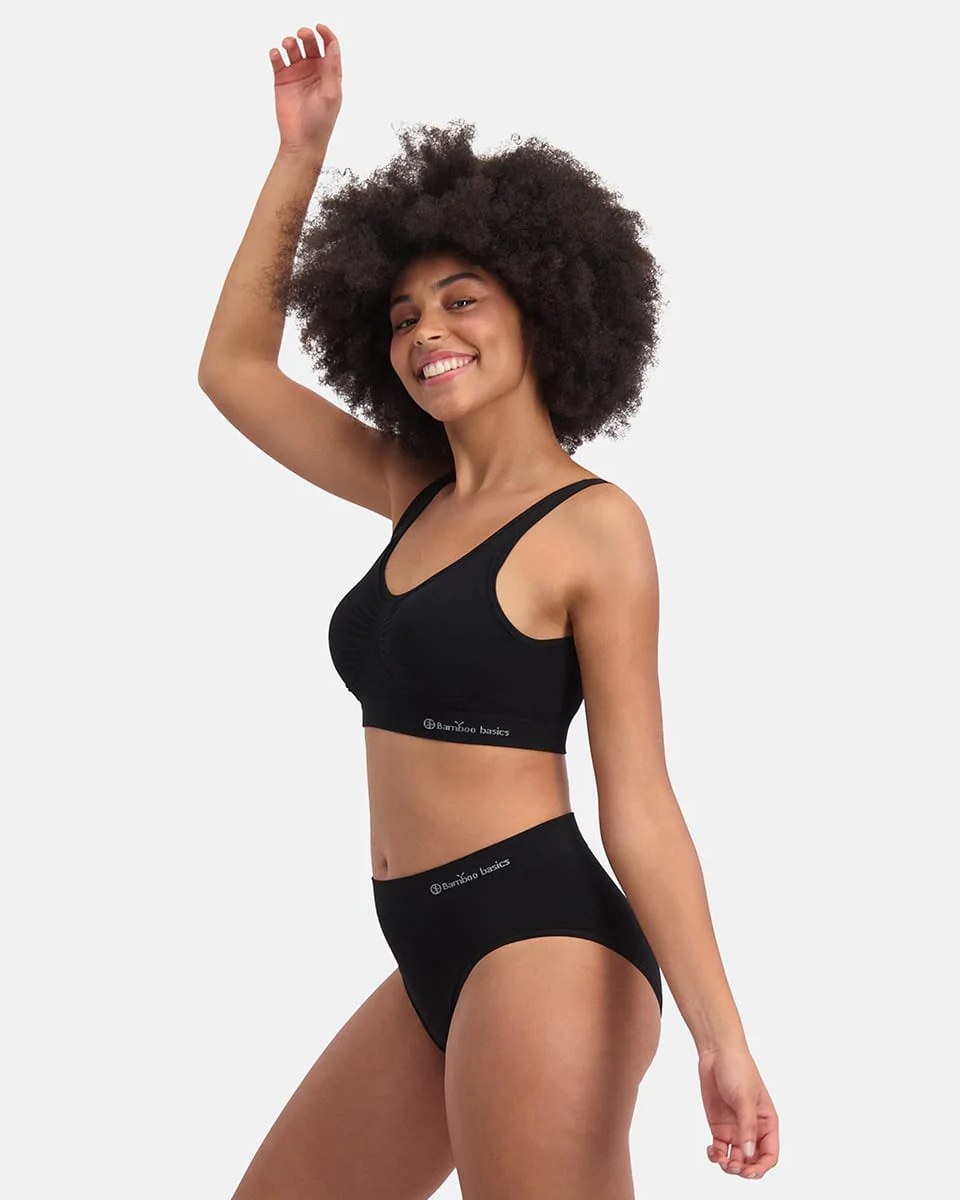
A care label mentioning viscose or bamboo viscose describes the main fibre. See bamboo clothing for women for items where the full mix is listed, so you know exactly how large the elastane share is.
Bamboo t shirts as an example
On a typical bamboo t shirt, viscose makes up by far the largest share of the fabric. See bamboo t shirt for women to see the actual mix on an item where the cellulose fibre accounts for most of the percentage.
Frequently asked questions follow here
Below are the questions that come up most often about microplastic and bamboo viscose, summed up briefly without promising more than the numbers actually show about what happens in an ordinary washing machine.
Frequently asked questions
Does bamboo clothing shed microplastic?
The bamboo viscose itself is cellulose, not plastic. Elastane in the blend is synthetic, though, so a small share of plastic fibres can still come loose from knitted items with stretch.
How do you reduce fibre shedding when washing?
Wash at a lower temperature, fill the machine halfway, and spin at fewer revolutions. A fine mesh wash bag can also catch some of the loose fibres.
Is all bamboo clothing free of synthetic fibres?
No. Most knitted styles contain a few percent elastane to hold their shape, and that share is synthetic even though the main fibre is cellulose based viscose.
You can find the full range at Bamboo-Clothing.com.