Moths in the wardrobe and what actually helps
Short answer: Moths go after residue from sweat and food, not clean fabric. Wash everything, vacuum the closet, and use cedar or lavender as a supplement to cleaning.
Clean clothes are the best protection
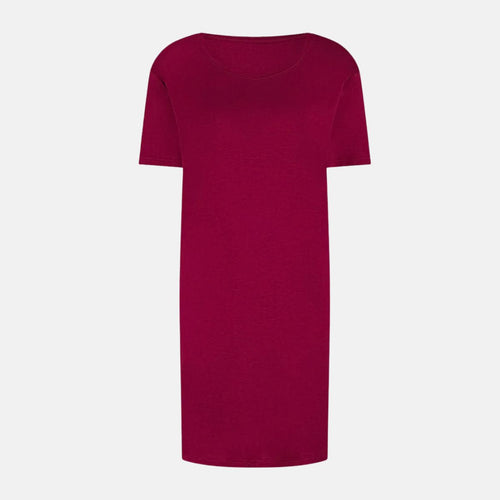
Moth larvae feed on protein residue such as sweat and skin oil, not on the fibers alone. Washed, clean clothes are therefore far less interesting to them than clothes that are simply put away without a trip through the machine first. This one habit does more to keep a closet moth free than most other measures combined. See bamboo clothing for women.
Vacuum the corners thoroughly
Eggs and larvae often sit in cracks, corners, and seams, not only in the clothing itself on the hanger or in the drawer. Vacuum the closet thoroughly a couple of times a year, and wipe afterward with a slightly damp cloth to remove the last dust. It takes half an hour but makes a clear difference over time.
Scent is only a supplement
Cedar and lavender deter adult moths and can keep new ones away from the closet, but they never replace cleaning and washing as the actual solution. Use them as an extra layer of protection once the closet has been cleaned, but do not rely on scent alone if the problem is already there. See bamboo t shirt for women.
Keep new clothes separate
New clothes that have been stored somewhere with a history you do not know should be kept separate from the rest of the wardrobe for the first few weeks. This gives you time to spot any problems before they spread to the clothes you already own and have spent time collecting.
Wool attracts the most
Moths prefer natural fibers such as wool far more than synthetic and many plant based materials, because wool contains more of the proteins the larvae live on. Store wool sweaters and similar items with extra care, preferably in airtight bags, if they are going to sit unused over summer or other long stretches.
Check the closet regularly
Set a fixed day every couple of months to go through the wardrobe for signs of holes, larvae, or the characteristic webbing moths leave behind. The sooner a problem is spotted, the easier it is to fix before it spreads to several garments in the closet. See bamboo sleepwear for women.
Avoid dark, damp closets
Moths thrive best in dark, undisturbed, and slightly damp surroundings where clothes sit still for a long time. Air out the closet regularly, and avoid packing it so full that air cannot circulate. A closet that is used and aired often is rarely a home for moths compared to one that is never opened.
Wash at the right temperature
Wash wool and delicate materials at the temperature stated on the label, since too much heat can damage the fibers while too little does not remove all residue properly. Freezing for a day is an alternative to washing for pieces that cannot handle a machine wash, and it kills both eggs and larvae effectively.
In short about moths
The solution is simple: wash clothes before storing them, vacuum the closet regularly, and use scent as a supplement rather than the main solution. Follow those three steps and the closet becomes a far less attractive place for moths to settle and lay eggs in the clothing.
Frequently asked questions
Frequently asked questions
Do moths go after bamboo viscose?
Less than they go after wool, but dirty clothes of any kind can attract moths if they are not washed regularly.
Do lavender bags work against moths?
Partly. They deter adult moths but do not remove eggs or larvae already sitting in the clothes or closet.
How do I get rid of moths in the closet?
Wash all the clothes, vacuum the closet thoroughly, and keep new clothes separate for a couple of weeks before mixing them in.
You can find the full range at Bamboo-Clothing.com.