Moths in the wardrobe and what they are after
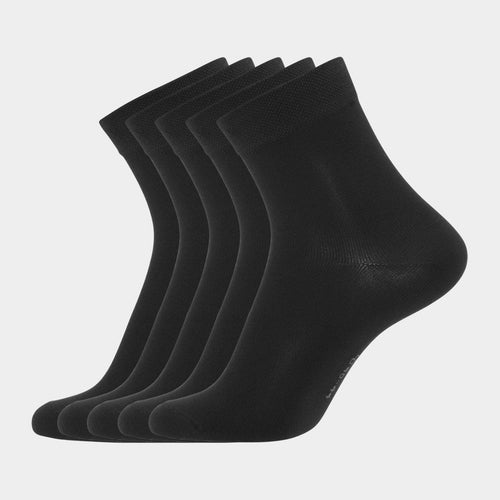
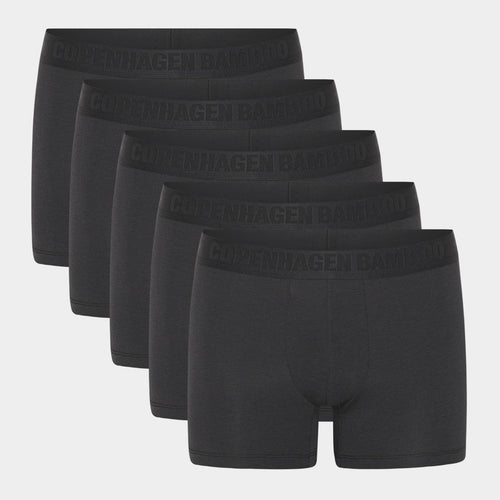
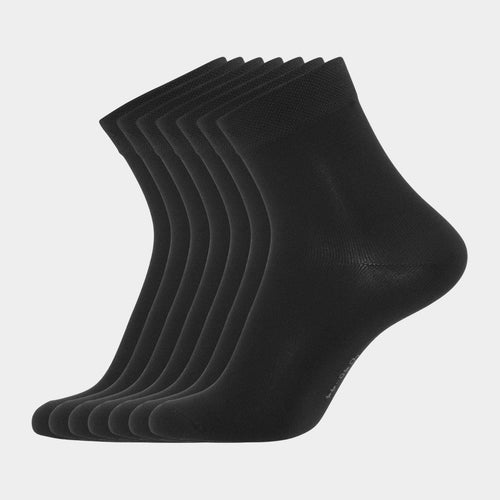
Short answer: Moth larvae eat animal fibres such as wool and silk, not bamboo viscose. If there are holes in your bamboo clothing, there is usually wool nearby anyway.
What the larvae feed on
It is not the moths themselves but their larvae that make holes in clothing. They feed on keratin, which is found in wool, silk, feathers and hair. Pure bamboo viscose contains no keratin and is therefore never their target, no matter how long the garment has hung in the same cupboard.
Why holes can still appear
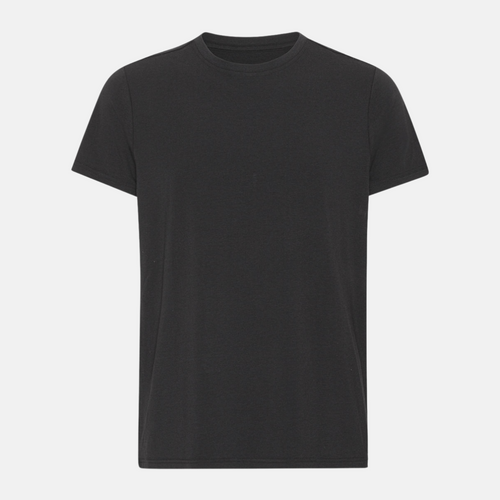
Larvae chew through anything standing between them and their actual food inside the cupboard. If a bamboo t-shirt sits on top of a wool sweater, it can easily get holes on the way to the real target. Stains from sweat, food or skin oil also make plant fibres far more appealing than they otherwise would be.
How to get rid of them
Empty the cupboard completely, vacuum corners and gaps thoroughly, and wash all textiles at sixty degrees or freeze them for three days. Clean the shelves with soapy water afterward. Larvae survive neither heat nor strong cold, so one thorough round usually kills the whole population at once.
How to keep them away
Only store clean clothing, never unwashed items straight from the basket. Leave air between garments, and use cedar or lavender as prevention inside the cupboard. See bamboo bedding, which should also be kept dry and separate from wool items to keep larvae away for good.
How to spot them early
Look for small pale cocoons in corners and seams, and for fine dust that looks like sand under wool items. Catching it early often means you only need to treat that one cupboard rather than the whole wardrobe, which saves considerable time and effort further down the line.
Where moths actually come from
Moths typically get in through open windows in summer or arrive with used furniture and clothing from outside. They seek out dark, quiet spots where they can lay eggs undisturbed. A cupboard that is rarely opened is therefore an attractive place for them to settle in for a long time.
Do chemical products help
Scented strips and chemical products help against adult moths but rarely reach eggs and larvae already hidden deep in the fabric. See bamboo clothing for men, and rely instead on heat, cold and thorough cleaning, which are the methods that actually kill every stage of the pest.
Should bamboo and wool be kept fully apart
That is the safest approach if you keep both in the same cupboard. Hang bamboo and wool in separate sections of the wardrobe, or use sealed bags for wool items. See bamboo clothing for women, which can safely mix with other plant fibres without any risk at all.
What to do once damage has already happened
Once holes appear in a wool garment, they can rarely be repaired invisibly, but a visible mend often holds up well in everyday use. Bamboo clothing is almost never damaged directly, only as collateral damage from nearby wool. So remove the source first, before repairing the affected garment.
Frequently asked questions
Is bamboo viscose moth proof on its own
Practically yes, if the fabric is clean and not stored with wool. Dirt and sweat can, however, make even plant fibres appealing to the larvae.
Does lavender work against moths in a cupboard
It keeps adult moths away and prevents new eggs. It does not, however, kill larvae that are already hidden inside the fabric beforehand.
How long should clothes sit in the freezer to work
Three days at minus eighteen degrees is enough to kill both larvae and eggs completely, regardless of how heavy the infestation is.
You can find the full range at Bamboo-Clothing.com.