Nickel reactions from fastenings and buckles
Short answer: Redness in a stripe where a button, a belt or a bra hook has touched the skin is typically a nickel reaction. A layer of fabric in between usually solves it in practice, because the metal no longer touches the skin. If you suspect a nickel allergy, talk to your doctor.
Where nickel sits in clothing
Nickel is found in metal buttons on jeans, in zips, in bra hooks and in adjusting buckles on straps. These are the places where metal lies directly against the skin for many hours. You rarely feel it in the fabric itself, because the reaction appears where the metal touches you, so it is often a small, exact area.
How to recognise the reaction
An itchy, red patch in exactly the shape of the metal is the typical sign. The reaction comes after hours rather than minutes, and it fades once contact stops. A round patch under a jeans button or a stripe under a bra hook makes the link easy to see, once you know what to look for.
Why time and sweat matter
The longer metal lies against the skin, the greater the risk of a reaction. Sweat can make it worse. That is why a button can be harmless in winter and cause a rash on a warm summer day. Short periods of contact rarely cause the same trouble as long days with the same buckle.
A layer of fabric in between
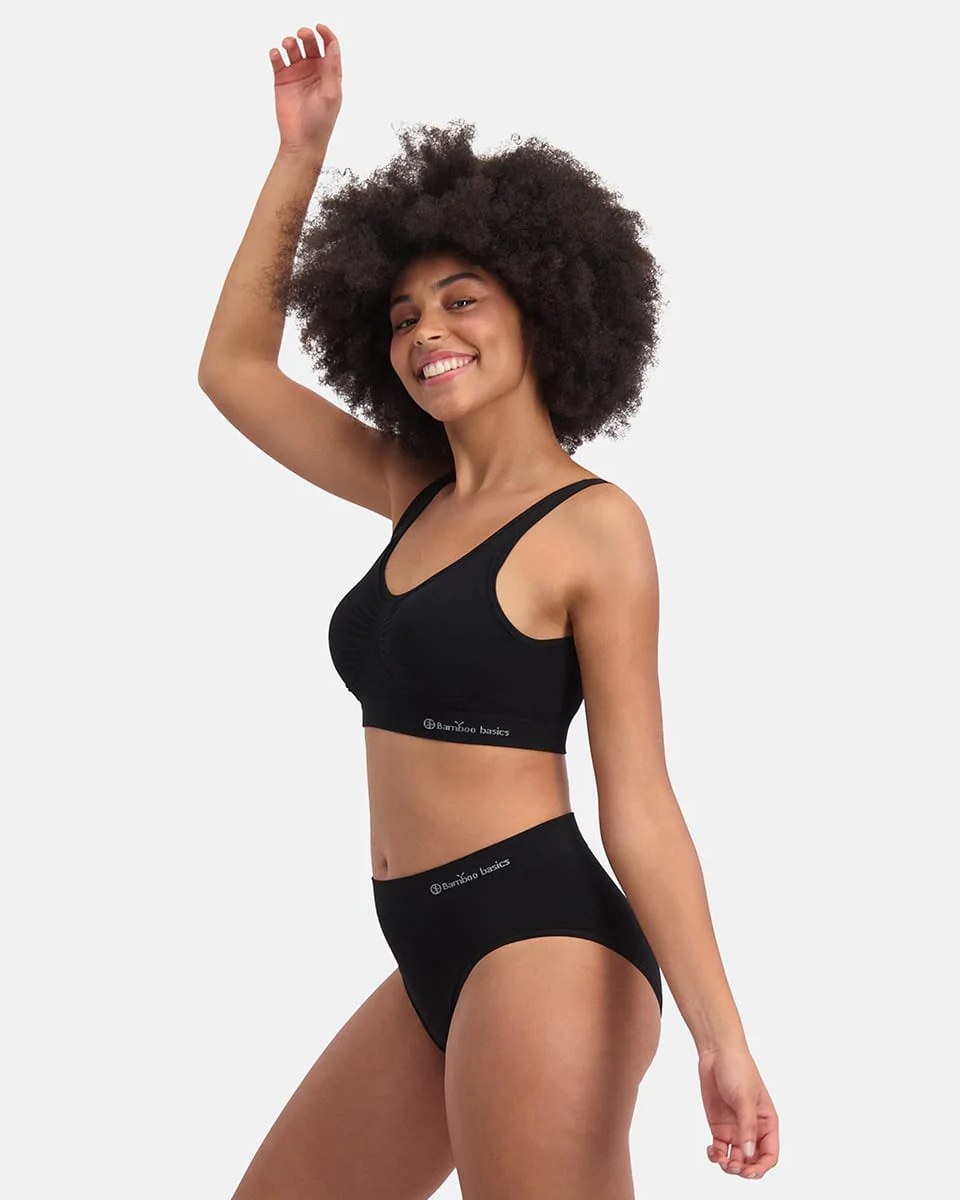
The simplest solution is a layer of fabric between metal and skin. An undershirt under a shirt with metal buttons, or under jeans where the button sits at the stomach, removes the contact. Choose a model long enough to cover the spot. Take a look at the bamboo undershirt for women, which sits as a soft inner layer.
Bras and hooks
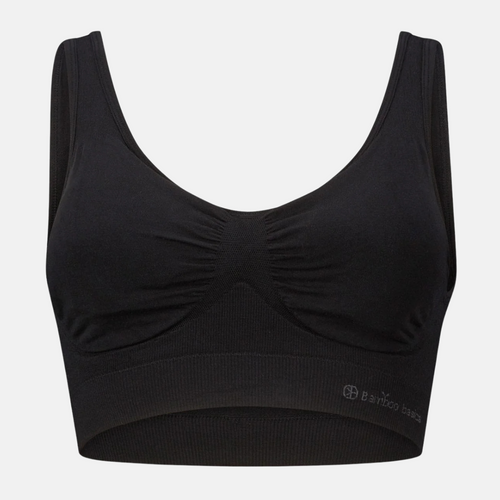
Bra hooks sit close to the back all day and can be an obvious source. Choose a bra with plastic hooks, or with fabric between hook and skin. Without underwire you avoid the metal at the edge, but hooks and sliders can still be metal. See the bamboo bra without underwire and read how the fastening is made.
Fastenings without metal
Fastenings exist in plastic, wood and coated metal. Coating can wear off over time, so coated metal is no guarantee. Look for the word nickel free on the label or in the description, and ask if you are unsure. Remember that hidden parts such as belt buckles and rivets on trousers may also contain nickel.
Small tricks for daily life
Clear nail polish on the back of a button works as a temporary barrier. The polish wears off and must be renewed once it turns dull or flakes. You can also sew a small piece of fabric behind the button, or avoid wearing the problem garment for long stretches. It is not a lasting fix, but it can help for now.
Check clothes before you buy
Before buying clothes, look at buttons, rivets and buckles, and check whether the metal sits against the skin on the inside. Trousers with a waist button and shirts with metal snaps are the classic culprits. Underwear without metal on the inside is easy to live with, and you can choose from the bamboo underwear for women by reading the description.
Talk to your doctor
If you react repeatedly or the rash does not go away, talk to your doctor about an allergy test. Then you know whether nickel is really the cause and can choose with more precision. Keep the skin clean and dry and avoid scratching. Clothing can reduce metal contact, but it cannot replace medical advice.
Frequently asked questions
Does nickel free clothing exist
Closures exist in plastic, wood and coated metal. Look for nickel free on the label or in the description, and ask if you are unsure about a particular item.
Can you cover a button
Yes, clear nail polish on the back works for a while and must be renewed as it wears off. It is a temporary fix and no guarantee against a reaction.
Do you get more sensitive over time
The reaction can become stronger with repeated contact. Avoid contact where you can, and talk to your doctor if you are unsure what you react to.
You can find the full range at Bamboo-Clothing.com.