Nightwear against sleeping without
Short answer: Nightwear absorbs sweat and skin oil and keeps your bedding clean for longer. Without it, everything goes straight into the sheet and cover, so bedding needs washing more often because nothing sits in between. Here is the difference, and a sensible middle way if you sleep warm.
What nightwear does
Nightwear sits as a layer between your skin and the bedding. It absorbs sweat and skin oil through the night, so they do not end up directly in the sheet and duvet cover. That is the simple reason bedding stays fresh longer when you wear something to bed, and why many see nightwear as a practical habit rather than a luxury.
Sweat and skin oil at night
The body gives off moisture and skin oil all night, even when you do not notice sweating. It soaks into whatever fabric lies closest to your skin. If that is the nightwear, you can change it quickly and wash it at a low temperature. If it is the bedding, it becomes a bigger, heavier load that takes more room and longer to dry.
Bedding lasts longer between washes
With nightwear, bedding can stay on the bed for two weeks instead of one, which saves a whole wash. That saves time and energy, and sheets and covers are easier to dry in a small flat.
What speaks for sleeping without
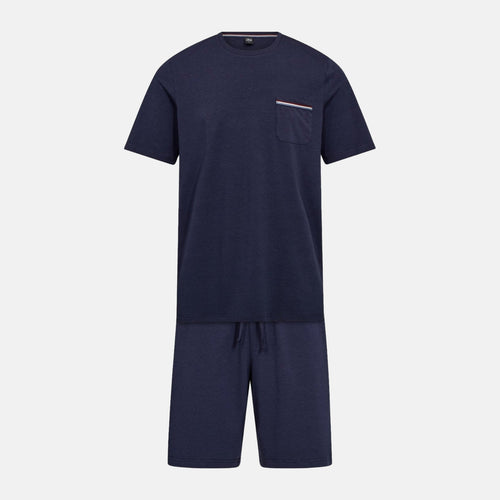
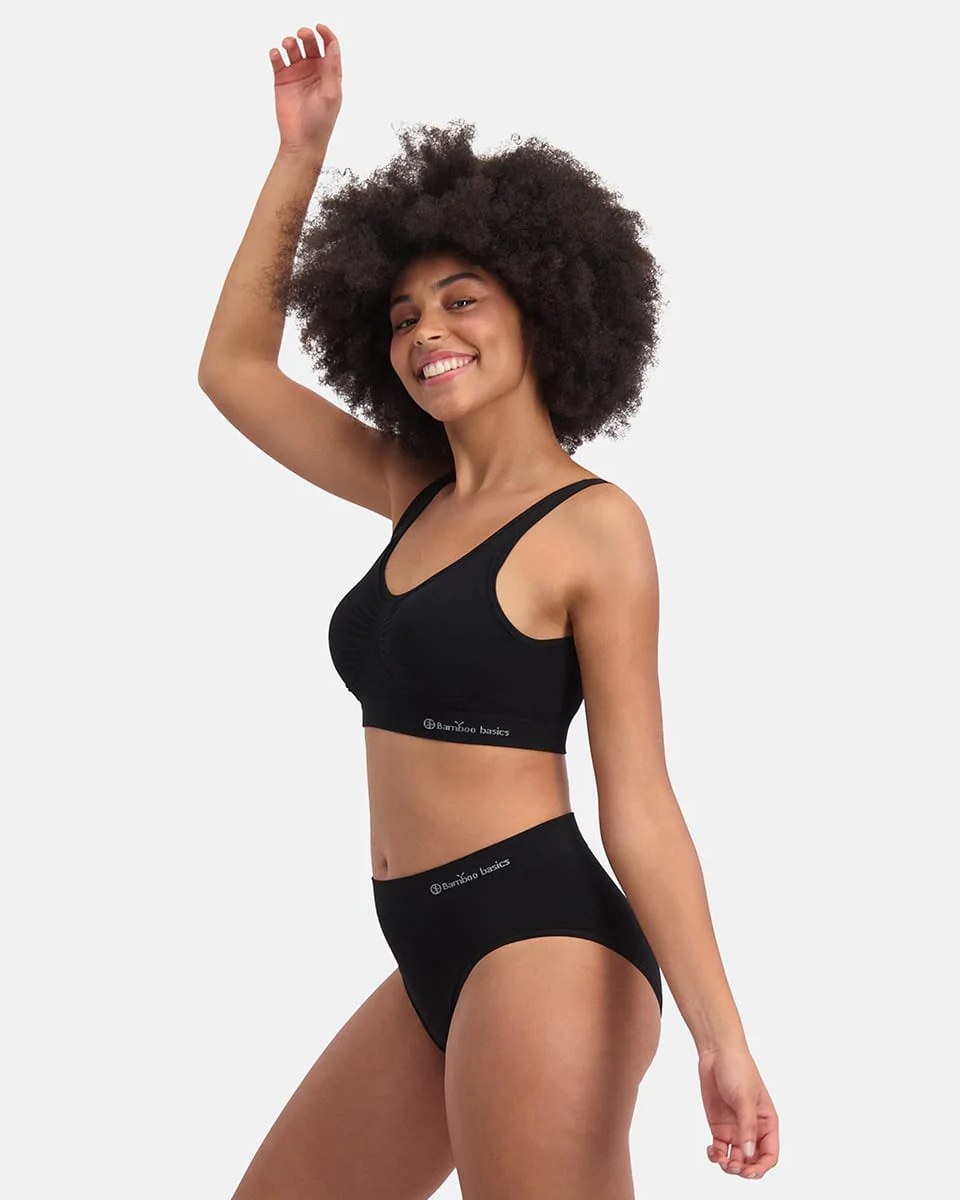
Some people sleep cooler with nothing on, especially in a warm bedroom where any fabric feels like too much. On the other hand, the sweat goes straight into the bedding, which then needs washing every week instead of every other week. So it is not about right or wrong, only what you want to spend time on. See bamboo sleepwear for women.
When the bedroom is warm
A warm night makes it tempting to take everything off. You do not have to choose between hot and bare, though, because a thin set in a light material moves moisture away from the skin so you are not lying in your own sweat. Many find thin nightwear feels cooler than nothing, since the sheet does not cling to the skin all night.
The middle way
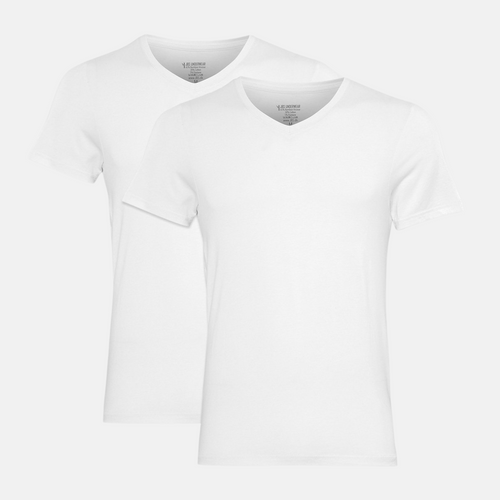
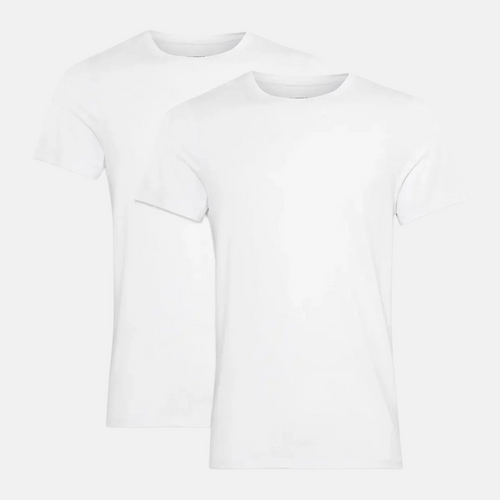
The middle way is a thin set in a light material that moves moisture away. It is cooler than a thick set and still keeps the bedding cleaner than sleeping without. You get the best of both without spending more time on laundry than you do today. See bamboo sleepwear for men and bamboo bedding.
The fabric makes the difference
Cotton and bamboo viscose are typical choices for nightwear, because they feel soft on the skin and take up moisture. What matters most is that the fabric is thin and breathable, so heat does not stay trapped. Always check the care label and choose a set that handles a normal wash, so it does not become an extra chore every week.
How to care for nightwear
Wash nightwear more often than bedding, ideally after three or four nights. That is easy because it takes up little room and suits the short cycle. Skip fabric softener if you want the fabric to keep its ability to take up moisture, and hang it to dry instead of using high heat, so it keeps its shape.
How to choose for yourself
Start by asking whether you would rather wash bedding more often or less. If the answer is less, that points to a light set of nightwear. If you sleep very warm, pick the thinnest fabric and a loose fit. If you sleep cold, you can wear something a little thicker. There is no fixed rule, only what suits your night.
Frequently asked questions
How often should bedding be changed without nightwear
More often. Once a week instead of every other week, because sweat and skin oil go straight into the bedding when nothing sits between. This matters most in summer, when you sweat more at night.
Is thin nightwear cooler than nothing
A thin layer that moves moisture can actually feel cooler, because sweat does not stay on the skin. It depends on the fabric and the room temperature though, so try it.
What about warm nights
A thin set in a light fabric is what most people end up with. It keeps bedding cleaner than sleeping without and is cooler than a thick set, so you avoid washing sheets every other day.
See our range of bamboo sleepwear.