Nightwear when you wake up soaked
Short answer: Short answer: Switch to a dry set rather than staying in the wet one. Damp fabric against the skin makes you feel cold for the rest of the night. If it happens repeatedly, see a doctor for an assessment.
A dry set by the bed
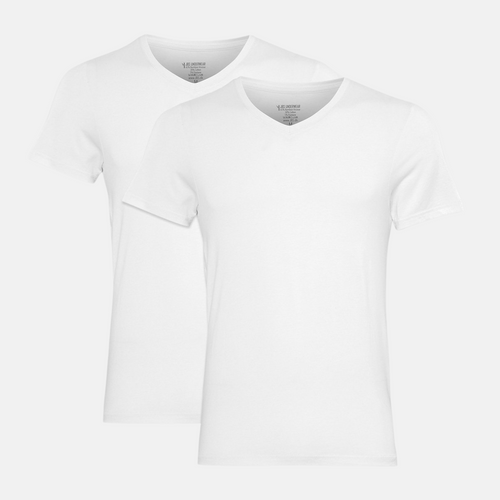
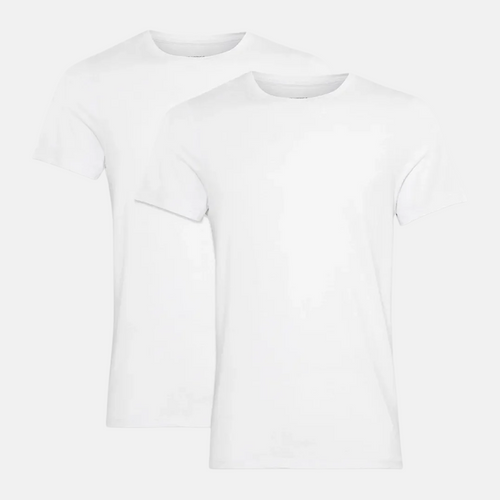
Keep a set ready on the nightstand or a chair by the bed, and the change takes less than half a minute. See bamboo sleepwear for women, where a light set is quick to put on in the dark, without needing to turn on a light and wake yourself fully.
Thin fabric dries faster on the body
See bamboo sleepwear for men, where a thin layer moves moisture away from the skin and dries faster than a thick one. A thick fabric holds moisture longer, and it is exactly that moisture against the skin that makes you feel cold, even in a warm bedroom.
The bedding gets damp too
See bamboo bedding and keep a spare sheet by the bed so the change is complete. If you lie back down on a damp sheet after changing sleepwear, you will still feel cold, because the moisture remains in direct contact with the skin through the night.
A cooler bedroom helps many people
Seventeen to nineteen degrees is where most people sleep best, and a room that is too warm can trigger night sweats on its own. Try lowering the temperature a couple of degrees before looking at other fixes, since it is often the simplest change to make.
The duvet's thickness plays a role
A duvet that is too thick holds heat all night and can trigger sweating by itself, even when the room is suitably cool. See bamboo clothing for women and consider a thinner duvet as part of the overall fix for night sweats.
Evening fluid intake can play a part
A lot of fluid late in the evening can increase sweating in some people, even without a clear link to illness. It is rarely the main cause, but it is worth noting whether there is a pattern between what you drink in the evening and waking up soaked.
Stress and tension can trigger sweating
The body responds to stress with increased sweat production, even during sleep, without you noticing it happening at all. If you are going through a period of more pressure than usual, it is worth looking at your sleep routine and evening calm before seeking other explanations.
Track the pattern over a week
Note which nights you wake up soaked and what was different that day: food, alcohol, temperature, or stress. A pattern tracked over a week makes it easier, for you or a doctor, to point to a likely cause instead of guessing at random.
When it calls for a doctor
If you repeatedly wake up soaked with no obvious explanation like heat or too heavy a duvet, talk to your doctor. Night sweats can, in rare cases, be linked to something worth checking, and an assessment rules that out quickly and reliably.
Frequently asked questions
What should you do about night sweats?
Switch to a dry set rather than staying in the wet one. Damp fabric against the skin makes you feel cold for the rest of the night unnecessarily.
What sleepwear is best for night sweats?
A thin layer that moves moisture away from the skin and dries quickly. A thick fabric holds moisture and prolongs the cold feeling afterward.
When should you see a doctor?
If night sweats happen repeatedly with no clear cause like heat or stress. Contact your doctor for an assessment rather than guessing yourself.
See our range of bamboo sleepwear.