OEKO TEX Standard 100 and the limits behind the label
Short answer: OEKO TEX Standard 100 means the finished textile has been tested for a long list of substances that can be harmful, with the amount kept under fixed limits. The label says something about the content of the finished fabric, not about how the item was produced along the way.
What gets tested
The test covers a wide range of substances that can remain in the textile after dyeing and finishing, including certain heavy metals, formaldehyde and azo dyes. Each substance has its own limit, and the whole garment, not just the main fabric, has to stay under it to pass.
Four product classes with different limits
The standard sorts items into classes based on how close they sit to skin. Items with tight, constant skin contact fall in the strictest class, while home textiles have the mildest limits. The class decides which limits apply, not whether testing happens at all.
Underwear is judged strictly
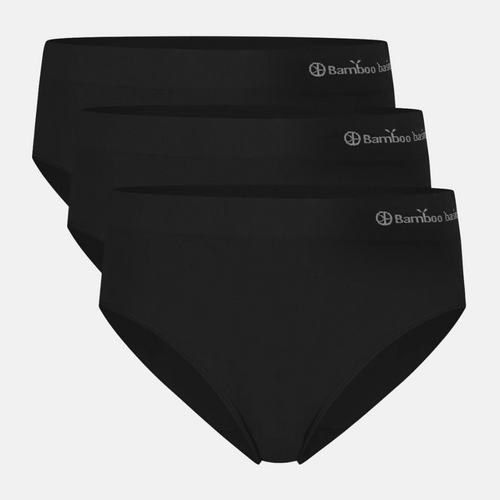
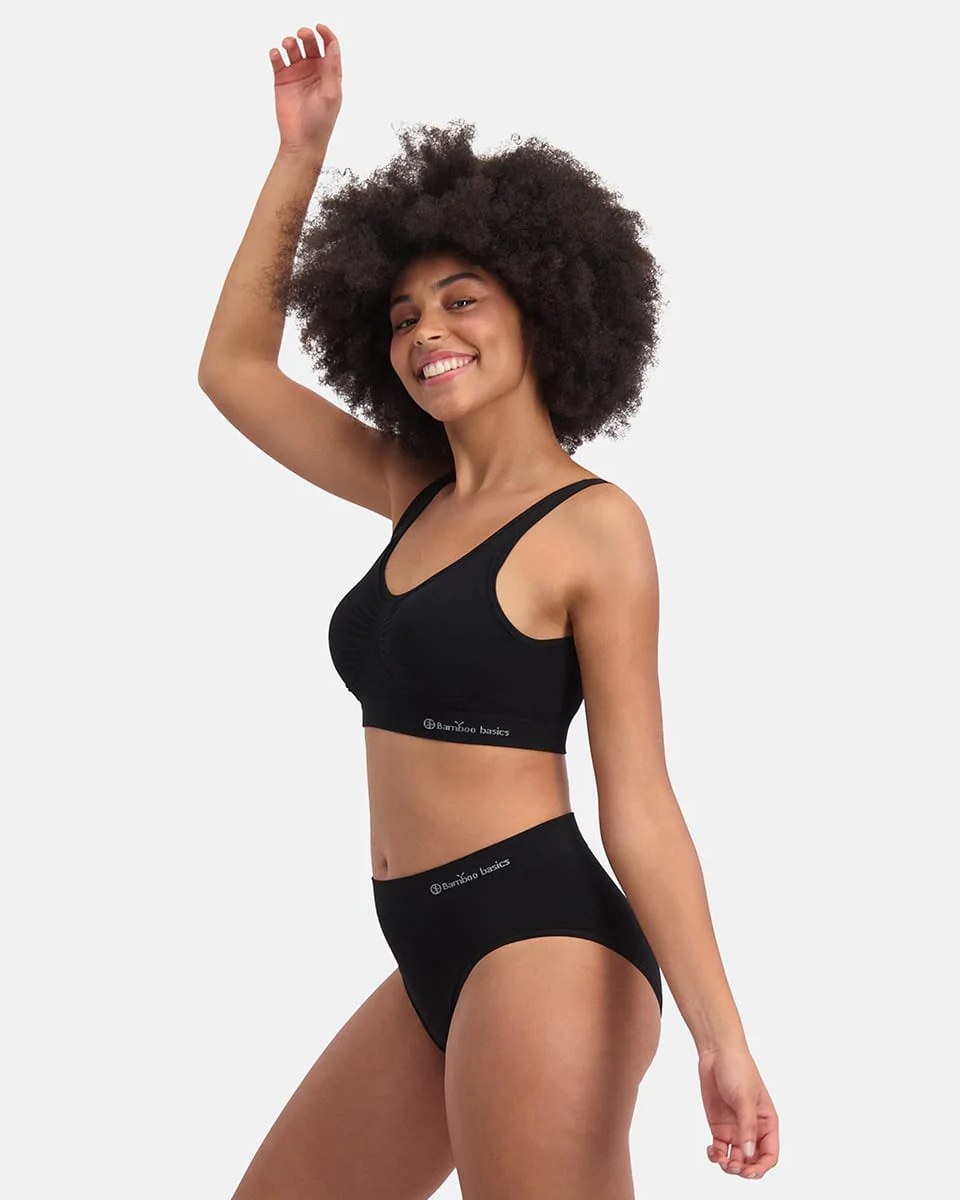
Because underwear has constant, close skin contact, it sits in one of the standard's strictest classes. See bamboo underwear for women for items where the material mix is listed on the page, so you can check it yourself.
Dyes make up most of the test
A large share of the substances tested for come from the dyeing step. Azo dyes that can split into carcinogenic amines are banned, and leftover amounts of other dyes must stay under a fixed limit, regardless of whether the fabric is light or dark.
What the label does not say
OEKO TEX Standard 100 concerns only the content of the finished product. The label says nothing about working conditions at the factory, water use during production or how far the item travelled. Other standards and labels cover those questions instead.
The difference from FSC
Where OEKO TEX looks at chemicals in the finished fabric, FSC is about where the raw material for the fibre comes from. See FSC certified products to read more about traceability of raw materials and why the two labels answer different questions.
The test does not last forever
The certificate has to be renewed every year, and the test is repeated at each renewal. An item certified last year is therefore not automatically still certified, unless the producer has renewed the test for the current batch.
How to find certified items
If you want to see which items are tested under the standard, go straight to OEKO TEX certified products, where the certification appears in the item's own listing rather than only in a logo in store.
Our range
In our range you can see material mix and certification directly on each item, so you never have to guess. That makes it easier to compare across items, and the information sits in the same place on every page.
Frequently asked questions
What does OEKO TEX Standard 100 mean?
That the finished textile has been tested for a long list of substances that can be harmful, with the content kept under fixed limits for the product class.
Does the test cover the whole product?
Yes, every part that goes into the garment must pass, including thread, buttons, seams and any prints, not only the visible main fabric.
Is OEKO TEX the same as organic?
No. The label concerns the content of harmful substances in the finished product, not how the raw material was grown or which fibre was used.
You can find the full range at Bamboo-Clothing.com.