Paint on clothes
Short answer: Water based paint comes out if you treat it before it dries. Dried paint and oil based paint rarely come out, and then the garment becomes work clothing. So it is a matter of acting quickly and knowing what kind of paint it is before you choose a method.
Water based and wet
Water based paint is the easiest to remove as long as it is wet. Rinse with plenty of cold water from the inside straight away, and keep going until the water runs clear. The water should push the paint out the way it came in. Do not rub, because that spreads the colour and presses it deeper into the fibres.
Liquid detergent and a quick wash
Put liquid detergent straight on the stain and work it in gently with your fingers. Then wash the garment right away, while there is still a little moisture in the stain. Check the result before it goes in the dryer, because heat can set the rest of the paint for good. If a faint shadow is left, treat and wash again.
How fast should you react
Water based paint starts to dry after a few minutes, and then it becomes far harder to remove. If you have been painting indoors or out, go and rinse at once rather than waiting until you finish. Ten minutes can be the difference between a stain that comes out and one that stays.
Dried paint
Dried paint can be broken off on the surface, but the colour in the fibres stays. If you soften the paint in warm water you can remove a little more, but the rest remains. So do not count on the stain coming out completely. Read more about our certified products if you want to know what the clothes are made of.
Scrape carefully
On dried paint you can scrape gently with the back of a spoon or a fingernail while the fabric is wet. Do not use a knife or any sharp tool, because it can cut holes in the soft fabric. Only scrape off what is loose, and stop when you feel the fabric starting to pull along.
Oil based paint
Oil based paint calls for turpentine, and turpentine can damage the fibre and take the colour out of the fabric. Always test on a hidden spot first, and expect the garment to become work clothing if the stain is somewhere it must not be seen. Read the symbols on the care label, and never use anything not meant for textiles.
Make a plan for the garment
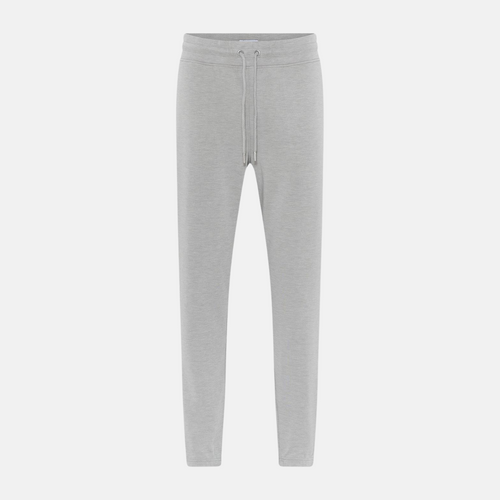
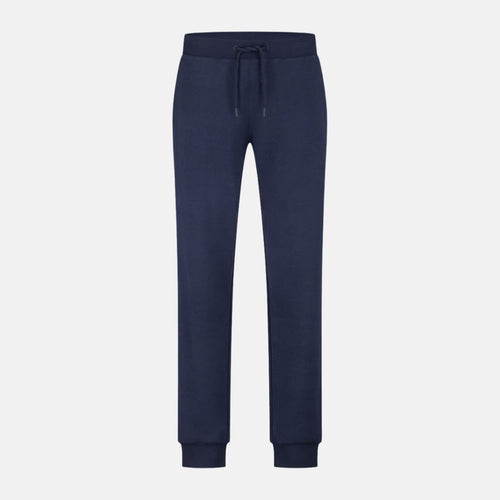
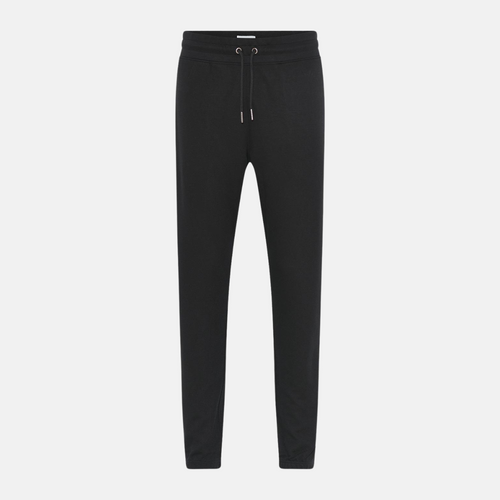
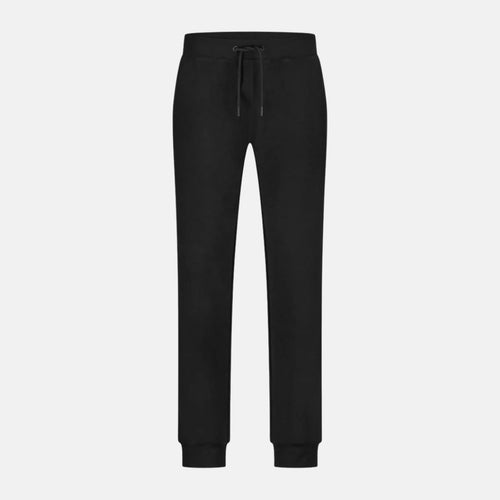
If the stain is large and dry, it is honest to say the garment becomes work clothing. Wear it for the job, the gardening or when you renovate, and save nicer pieces for other days. See bamboo sweatpants for men and bamboo clothing for women if you need new everyday clothes.
Prevent it with the right clothes
When you know you will be painting, put on clothes that are allowed to be ruined. Older pieces you no longer wear anyway are perfect for it. Cover sleeves and knees too if you work close to the surfaces. It does not sound like a solution, but it saves you many stains and long attempts to get them out.
A rag or a small stain
If only one small spot lands on a piece you like, try dabbing it with a damp cloth and liquid detergent. If it is too big or too old, cut the garment into rags. Then it gets a new life and can be used for dusting or polishing.
Frequently asked questions
How fast should you react
Within a few minutes for water based paint. While it is wet it can be rinsed out with cold water, but once it begins to dry it becomes much harder to remove.
Can you use turpentine on bamboo viscose
Test on a hidden spot first. Turpentine can damage the fibre and take the colour out of the fabric, so use it only if the garment is becoming work clothing anyway.
What do you do with a garment that cannot be cleaned
Turn it into work clothing or cut it into rags. Then the garment is used for something useful, instead of lying in the wardrobe with a stain you cannot get out.
You can find the full range at Bamboo-Clothing.com.