Photos when you sell used clothes
Short answer: Daylight, a plain background and the garment laid flat. Three pictures are enough: the whole garment, the neck label and any flaws. That answers most things before the buyer gets to ask.
Three pictures are enough
A listing does not need ten pictures to sell. Three are enough: one of the whole garment, one of the neck label and one of any flaws. The three cover what buyers want to know and give you fewer questions in the messages afterwards, so you can spend time packing instead of replying.
The light
Daylight by a window gives the most accurate colour. Avoid direct sun, which makes shadows hard and light surfaces too bright, and avoid lamp light, which turns the colour yellow. Take the pictures around midday if possible, and check that the colour on screen resembles what you see in real life.
The background
A white or light grey surface works best, for example a sheet on the floor. Lay the garment flat and smooth it out so creases do not steal attention. Avoid a messy background with other things in it. See also sweatwear, which is often easy to photograph flat.
Lay the garment flat
Lay the garment on the surface with sleeves and legs spread out so the shape is clear. Shoot from above so the garment is not distorted by an angle. Make sure sleeves are not tucked under the body and zips and buttons are closed, so every detail can be seen clearly.
Picture one: the whole garment
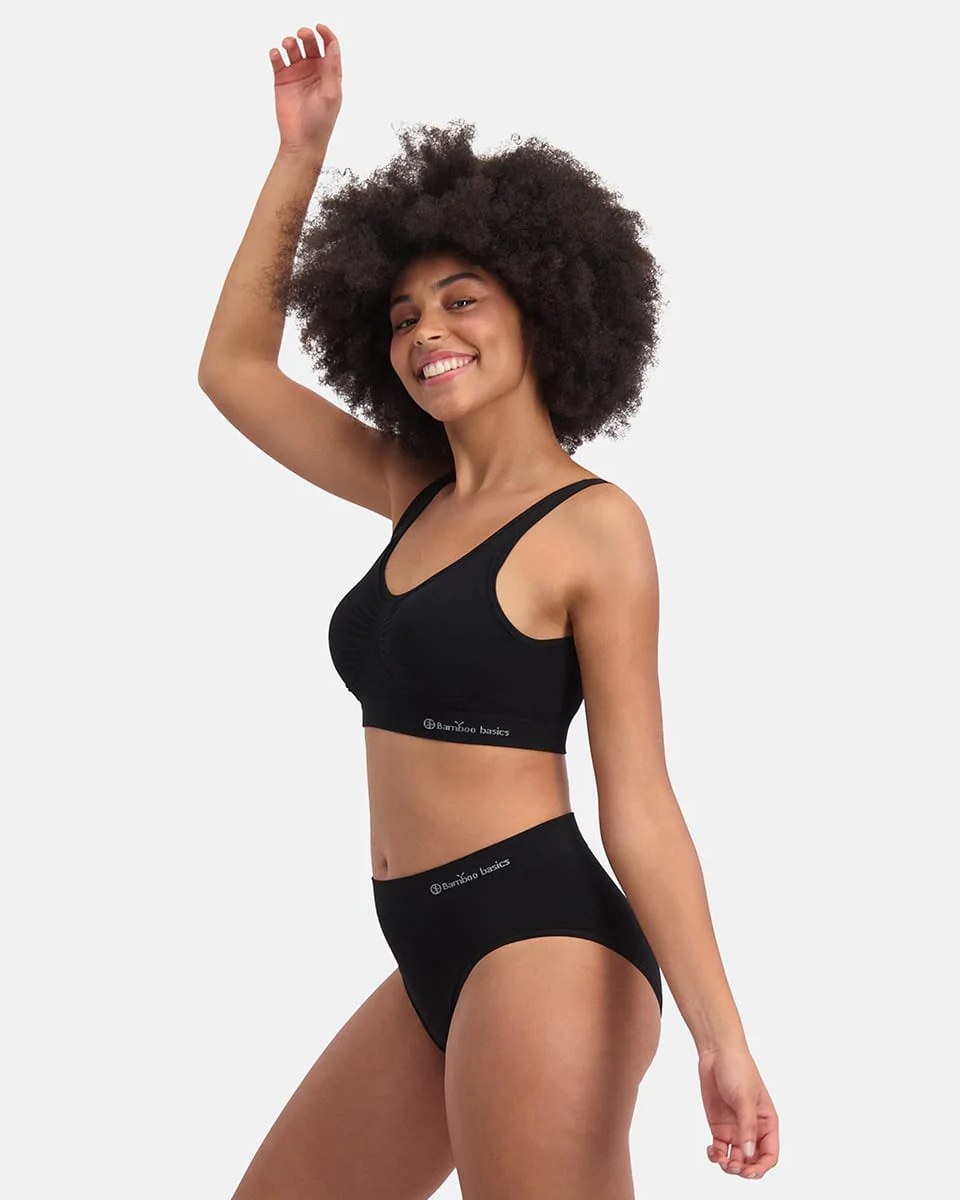
The first picture shows the whole garment flat from the front. It is the picture the buyer sees first, so take your time with it. Make sure everything is in frame and the edges are not cut off. See women's bamboo pants as an example of a garment where the full length matters.
Picture two: the label
The second picture shows the label at the neck or in the side seam with brand and size. Go close enough for the text to be readable and hold the camera steady so it does not blur. If the material is on the label, make sure it shows. That is the detail buyers look for most.
Picture three: flaws
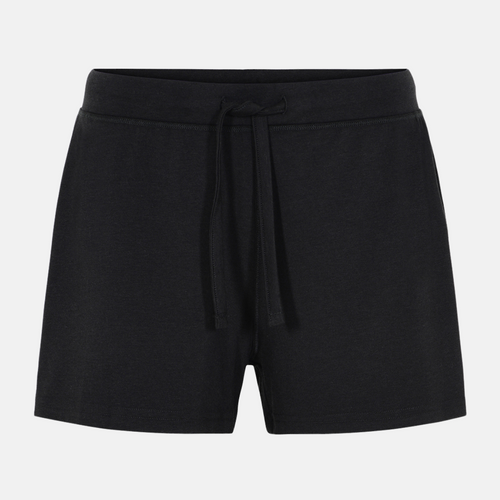
The third picture is a close-up of each flaw, for example a hole, a stain or a thin spot. Take one picture per flaw if there are several. It may seem excessive, but it is the most effective way to avoid misunderstandings and returns. See bamboo shorts for women.
Can you edit the pictures
Cropping is fine so the garment fills most of the picture. Do not change the colour, and do not use filters that alter how the garment looks. The buyer must be able to trust that what she sees is what she gets, and a changed colour is a common reason for returns.
Check before you upload
Look at the pictures on a large screen before you upload them. If something in the background does not belong, retake the picture. If the garment is creased, smooth it out. Check that nothing is blurred and that the label is readable. Five extra minutes here saves many messages later.
Frequently asked questions
Should you photograph it on a person?
It helps with fit, but measurements matter more. A flat picture with measurements in centimetres tells the buyer more precisely whether the garment fits than a picture on a person.
Should you show flaws clearly?
Yes. It means fewer returns and better reviews, and a buyer who knows about the flaw in advance is less often disappointed when the parcel is opened.
Can you edit the pictures?
Cropping is fine, but do not change the colour. The buyer must recognise the garment when the parcel is opened, and a changed colour is a frequent reason for returns.
You can find the full range at Bamboo-Clothing.com.