Rehabilitation after an injury
Short answer: Choose clothes that are easy to put on and take off, and that do not press over the spot that needs protecting. Movement is limited for a while, and the clothes should not make that harder than it has to be.
Easy to put on
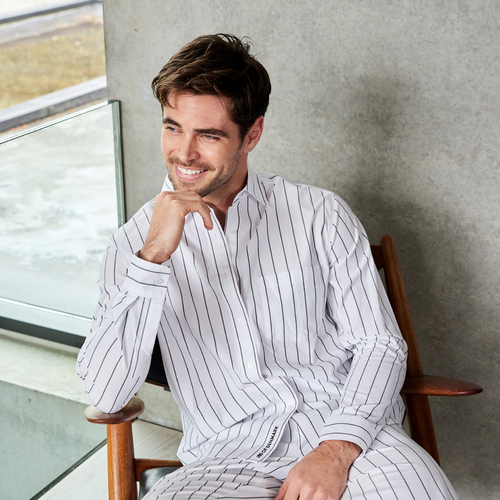
If movement in an arm or leg is limited, it matters more that a garment can be put on with one hand than how it looks. Tops that open at the front and pants with a soft waistband without a button or zip are easiest to get into.
No pressure over the sore spot
Elastic, seams and bands that sit right over a spot that is sore or recently operated should be avoided entirely in the first period. A soft, wide waistband that can be shifted up or down as needed solves the problem without compromising the rest of the garment.
Layers instead of thick clothing
Rehab shifts between rest and movement, and body temperature follows along. A single thick layer rarely suits the whole process, while several thin layers that can be removed along the way make it possible to adjust without changing the entire outfit each time.
Elastic that does not squeeze
A narrow, hard elastic can leave marks and press on spots that are already sensitive. Look for a wide, soft edge that spreads the pressure over a larger area. That applies to a pants waistband as much as a sleeve cuff, where skin is often most tender.
Soft fabric against scars and skin
A scar or a spot that has just been operated on cannot handle rough friction. Smooth, soft qualities without stiff seams allow movement without the fabric rubbing against the skin every time someone turns or bends throughout the day and irritating it.
Freedom of movement in shoulder and arm
When the shoulder or arm is being rehabilitated, the sleeve should not sit tight around the upper arm or elbow. A roomy cut with a bit of stretch follows the movement instead of working against it, which makes the exercises noticeably easier to complete.
Freedom of movement in hip and leg
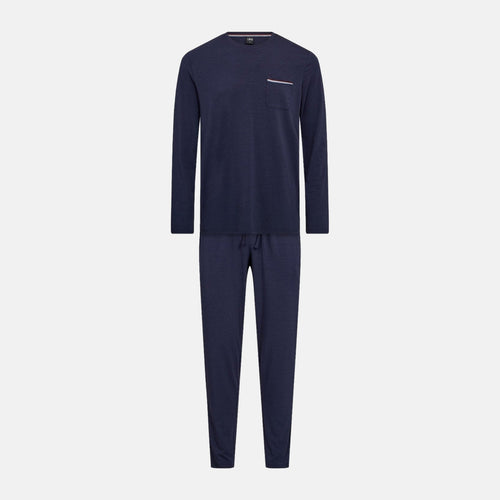
For injuries in the hip, knee or ankle, the same principle applies to pants. A wide, soft waistband and a broad leg opening leave room for bandages and swelling without squeezing, while someone works through the exercises day by day.
Temperature during training
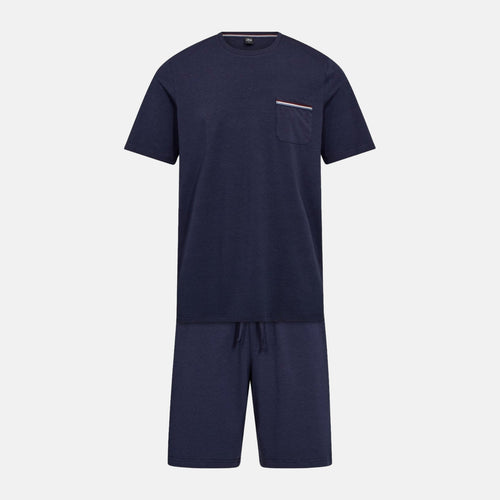
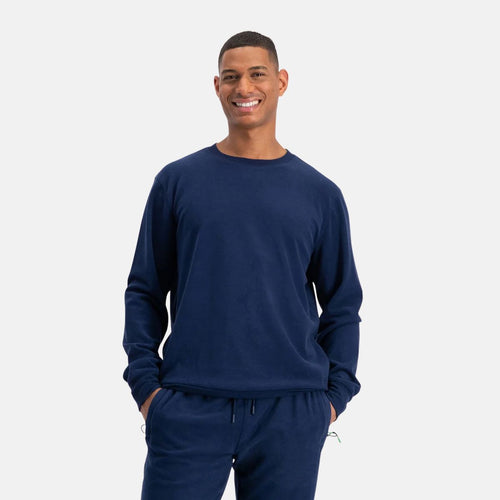
Physical training during rehab can cause sweating even at low intensity. A fabric that absorbs moisture and carries it away keeps the body dry rather than clammy. See sweatwear and loungewear for men, both made to be worn close to the body.
Our range
See bamboo underwear for men, where the cut and elastic are chosen with softness in mind. A good place to start when a wardrobe needs adjusting for a period of limited movement and extra sensitive skin.
Frequently asked questions
Should you buy special clothes for rehab
Rarely is that necessary. Soft qualities with a bit of stretch from a regular wardrobe go a long way in most cases, as long as the cut leaves room for movement.
What about compression garments during rehab
They are used in some rehab programs but not all. Ask your physiotherapist or doctor whether it suits your situation before investing in a set.
How do you avoid chafing against a sore spot
Soft seams and a waistband that sits close without squeezing matter most. Avoid hard edges placed directly over the spot that is sensitive during this period.
You can find the full range at Bamboo-Clothing.com.