Repair against replace, worked through
Short answer: A ten minute repair can extend a garment by months or years. Replacing gives you a new garment but costs the full price again. Repair a single fault, and replace when the fabric is worn thin in several places.
The sum
Repair and replacement can be compared the same way: the price divided by the number of times you get to wear the garment. A repair costs a few minutes and perhaps a little thread, while a replacement costs the full price again. If the repair gives many extra months, it is almost always cheapest.
When repair wins
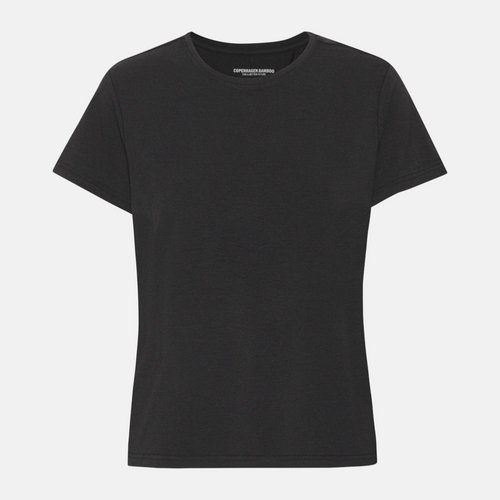
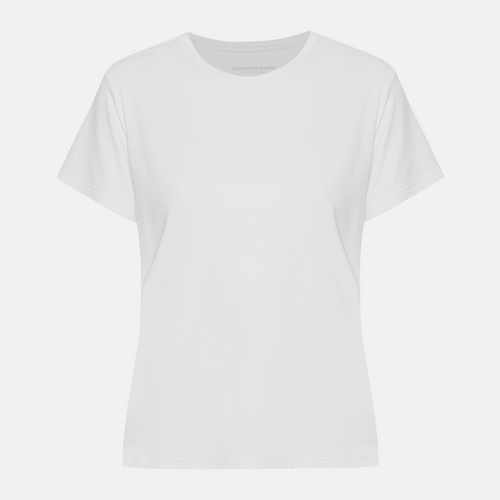
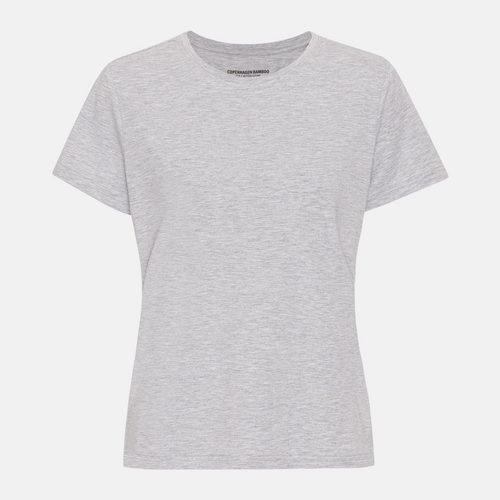
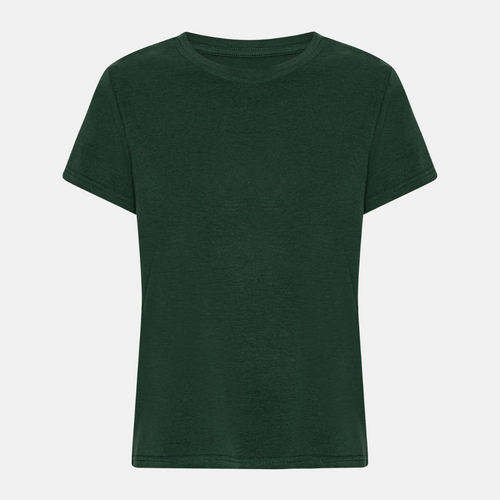
Repair wins for a single fault on a garment that is otherwise sound. A loose seam, a lost button or a small hole takes a few minutes and extends its use considerably. The garment still has its fabric and fit, which is more than a new one can offer on day one. See bamboo T-shirts for women.
When replacing wins
Replacing wins when the fabric is worn thin in several places, or the neckline has gone wavy and cannot be reshaped. There you can repair as much as you like without the garment becoming usable again. A new garment is the honest answer, and you save yourself work that gives nothing. See bamboo loungewear for women.
Repairs you can do yourself
Most people can learn a straight seam and a button in twenty minutes. Those two repairs cover most cases, and they need only a needle, thread and a little patience. Once you have learned them, you notice how many garments only need a small effort to be wearable again.
When a tailor makes sense
If the damage is larger, or the garment is especially dear, a tailor can help. The price is a small sum for most repairs, but it varies, so ask about the price before you hand it in. Then you know whether the repair is still cheaper than a new garment.
Signs a garment is finished
Look for fabric worn thin over a larger area, and for a neckline that no longer lies flat. Hold the garment up to the light. If you can see through it in several places, it is hardly worth repairing. The fabric carries the garment, and once it is gone there is nothing to sew into.
Underwear and innermost layers
The innermost layer is worn closest to the body and washed most often, so wear shows here first. A loose elastic or an open seam can often be mended, but if the fabric is thin, it is time for new. See bamboo underwear for men when you need to replace a pair.
How to extend the life
Wash by the label, avoid too much heat and dry the garment without pulling at the fabric. Fix small faults straight away, before they grow. A seam that can be closed in ten minutes today can be an impossible hole in six months if it is left alone.
A simple rule of thumb
Repair a single fault on an otherwise sound garment. Replace when the fabric is thin in several places or the neckline is out of shape. Divide the price by the number of wears you get from each option, and choose the one with the lowest price per wear. It is a rule that is kind to the budget too.
Frequently asked questions
What can be repaired without experience
A straight seam and a button. Both can be learned in twenty minutes with needle and thread, and they cover most small faults on a garment.
What does a tailor cost
A small sum for most repairs, but the price varies. Ask about the price first, so you can compare it with the price of a new garment.
When is a garment not worth repairing
When the fabric is thin over a larger area. Then a repair will not hold, and a new garment is usually the best choice.
You can find the full range at Bamboo-Clothing.com.