Repair or buy new
Short answer: Repair if the rest of the garment has at least a year left and the repair takes under half an hour. Otherwise buy new. Give an old garment a new use rather than discarding it straight away.
The sums
A repair costs time and a length of thread. A new garment costs money. Compare the time you spend with the value the garment has left. If it has a year left, thirty minutes almost always pays off. If it has only a few months left, it is rarely worth spending an evening on it.
When repair pays off
Repair when the damage is small and the rest of the garment is in good shape: a button, a seam, a small hole or a hem. These take a few minutes, and afterwards the garment is as good as before. Here repair almost always wins, whatever the garment originally cost, because the time is so short.
When repair does not pay off
It does not pay off when the fabric is thin in several places, when the elastic is worn out at the same time, or when you do not like the garment anyway. Then you spend time on something that tears again next to the fix, or that you will not wear. See bamboo shorts for men.
The third option
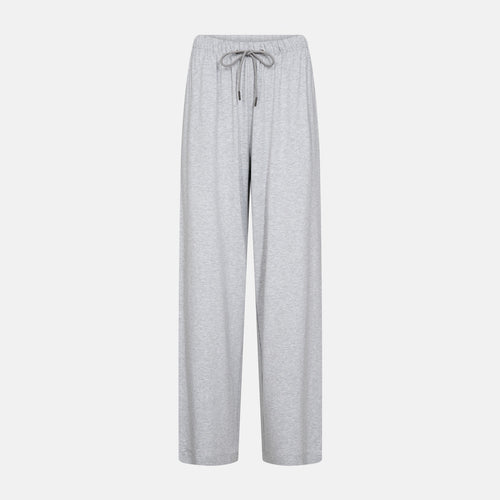
Move the garment to another category. A t-shirt that can no longer be worn outside is still a good sleep shirt, and trousers with worn knees can become home trousers. You get more from the garment and do not need to buy anything new for that use. See bamboo sleepwear for men and women's bamboo pants.
Check the fabric first
Hold the garment up to the light. If you can see through the fabric in several places, it is worn thin, and a repair will hold badly, because the threads cannot carry the seam. If the fabric is still dense and has only a single hole, that is a good sign. Check the crotch, knees and elbows especially, where wear often starts.
Check elastic and seams
Pull gently on the elastic and the seams. If the elastic is slack and several seams are close to splitting, you will spend more time than you expect. A single piece of elastic can be replaced, but when several things are worn at once, the garment is often at its end, and the time is better spent on something new.
How long a repair should take
Set a limit of thirty minutes for a basic garment. If it takes longer, ask yourself whether the garment is worth it. A limit makes the decision easier, and you avoid a small job growing into an evening that still ends with a garment you do not enjoy wearing.
What if the garment is expensive
Then the limit moves. An expensive garment you love deserves more time, and a tailor can give it several more years. Compare the price of the repair with the price of a new garment of the same quality, and think about how often you wear it. A favourite is worth saving, even if it takes longer.
When you buy new anyway
If you buy new, choose something you know you will wear and that suits your daily life. Wash by the instructions and make small repairs at once, so the garment lasts longer. The old garment can become cleaning cloths or a sleep shirt if the fabric is whole, and otherwise it can go to textile collection.
Frequently asked questions
How long should a repair take
At most thirty minutes for a basic garment. If it takes longer, consider whether the garment is worth it or whether a new one is better.
What if the garment is expensive
Then the limit moves. A tailor can give an expensive garment several more years, so compare the price with that of a new one of the same quality.
Is repairing always better
No. A repair that does not hold is wasted time, so check the fabric and seams first, and buy new when the garment is at its end.
You can find the full range at Bamboo-Clothing.com.