Replacing a slack elastic
Short answer: If the waistband is loose but the fabric is fine, the elastic can be replaced in twenty minutes with a safety pin and a piece of new elastic to match.
When it is worth it
If the fabric is still good and only the elastic is worn out, a replacement gives the garment several more years of use. If the fabric is also thin, faded or torn in several places, the work is not worth the result. Check the whole garment first, and skip worn out pieces entirely.
How to do it
Pick open a few stitches in the channel, attach a safety pin to the old elastic and pull it out gently while tying the new elastic to the end. That way the new elastic follows through the channel on its own. Sew the opening back shut with a few discreet stitches afterward.
Where it is easiest
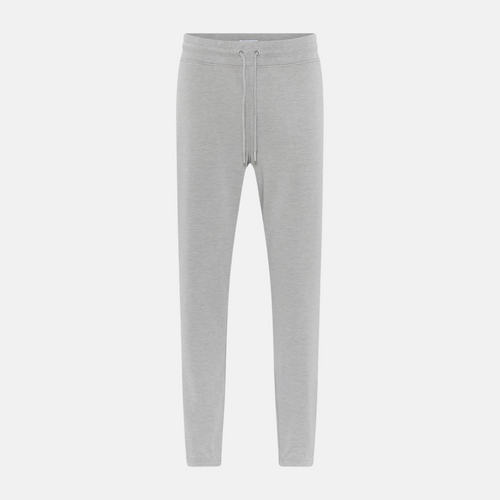
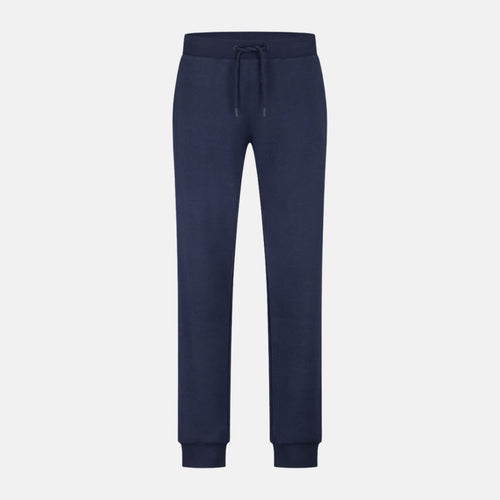
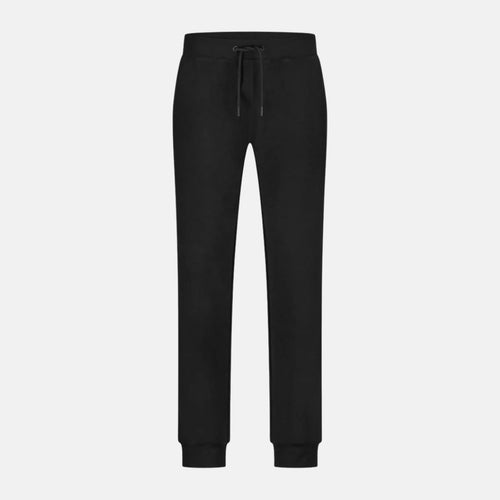
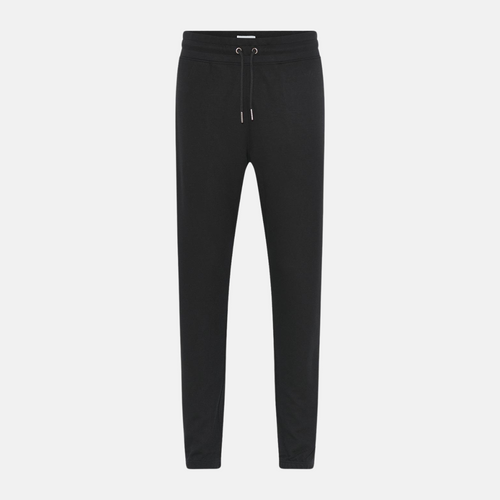
Night pants, sweatpants and anything with a visible channel are the easiest to fix yourself. See bamboo night pants for women and bamboo sweatpants for men as examples of garments with that kind of channel. Underwear with sewn in elastic is harder and is often better left to a tailor.
Choose the right width
Measure the old elastic with a ruler before buying new, so the width fits the channel without sitting loose or too tight. Elastic that is too narrow twists and sits crooked, while one too wide will not pull through at all. Buy a bit more than you think you will need.
Work out the right length
Measure your own waist and subtract three to five centimeters, so the new elastic sits snug without pinching or digging in. If unsure, try it on partway through before sewing it in place for good. It is easier to tighten slightly than to unpick the seam again afterward.
Stop it happening again
Wash cold and avoid hot tumble drying, since heat is usually what wears elastic out over time. See bamboo sleepwear for women for pieces made for frequent use, where a gentle wash cycle noticeably extends how long the elastic lasts. Let garments air dry when you can, instead of using a dryer.
Tools you will need
A safety pin, a ruler and a pair of scissors are all the task needs besides the new elastic itself. If you do not have elastic in the right width at home, most sewing and craft shops carry it. Always buy a little extra for future repairs down the line.
Common mistakes to avoid
The most common mistake is tying the elastic too tightly to the safety pin, so it snaps partway through the channel. Another is forgetting to sew the opening fully shut, letting the elastic twist its way back out later. Take your time and check the work before calling it done.
In short
A loose waistband does not have to mean the end of an otherwise good garment. With a safety pin, the right width and a little patience, the task is manageable for most people within half an hour. Save a piece of the old elastic to measure width for the next repair.
Frequently asked questions
Which elastic should you use
The same width as the old one. Measure it before buying new, so it fits the channel exactly without sitting loose or too tight afterward.
How long should the new elastic be
Measure your own waist and subtract three to five centimeters, so it sits snug without pinching or digging into the skin.
Can you prevent elastic from going loose
Wash cold and avoid hot tumble drying. Heat is what wears elastic out fastest, and a gentle cycle noticeably extends how long it lasts.
You can find the full range at Bamboo-Clothing.com.