Running in winter cold and the three layers
Short answer: Dress as if it were five degrees warmer than it actually is. The first ten minutes should feel cool, otherwise you overheat after a kilometre.
The base layer decides the rest
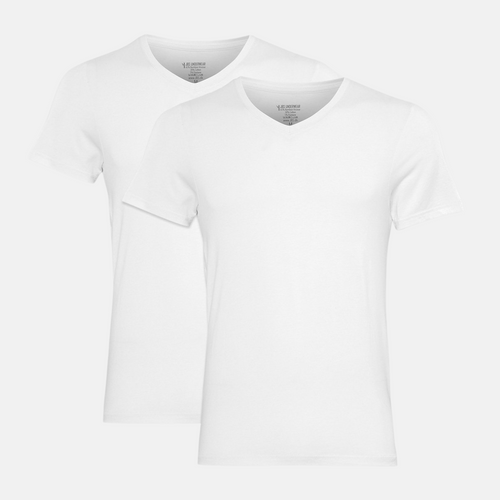
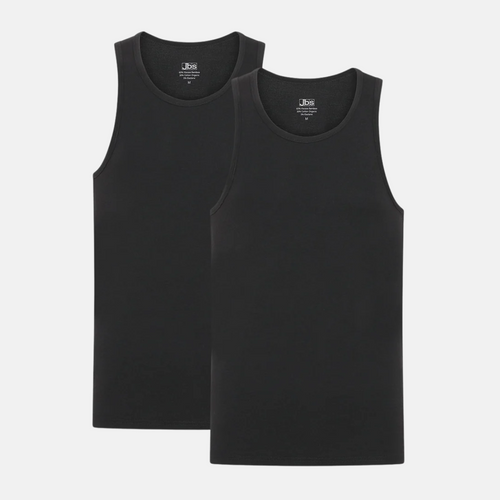
Sweat needs to move away from the skin, or it turns cold the moment you slow down. A thin base layer that moves moisture outward does more for comfort than a thick layer that traps heat. Choose something snug without being tight, so it keeps working through the whole run. See bamboo undershirt for men.
Head and hands
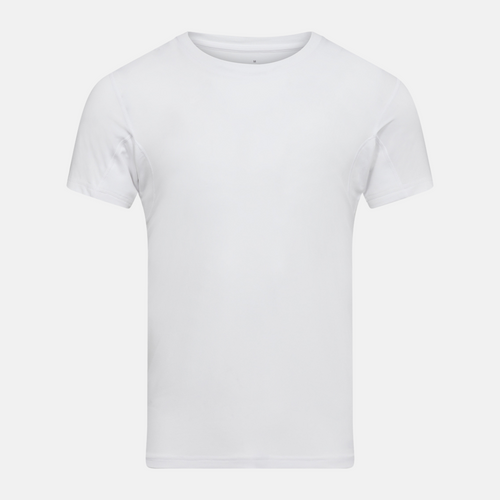
The head and hands lose the most heat and are also the easiest to adjust along the way. A hat you can remove halfway through solves the problem without stopping. Thin gloves keep fingers warm without losing your feel for pace. See bamboo clothing for men.
Change straight after the run
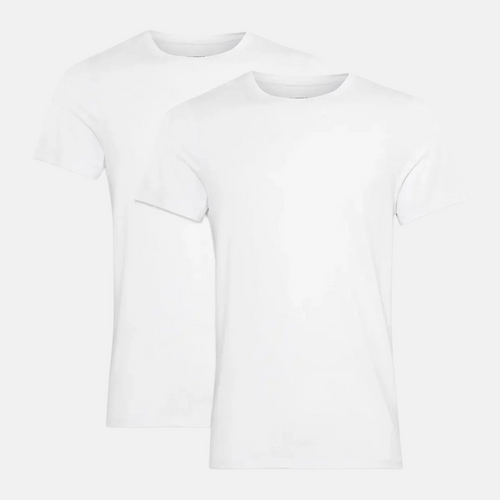
The wet top is what brings on the shivers the moment you step through the door. Change it before you sit down, even if it is only five minutes before the shower. The body cools fast once you stop moving, and moisture against the skin makes it worse. See bamboo t shirts for men.
Three layers are usually enough
A base layer that moves moisture, a middle layer that holds heat, and a windproof outer layer cover most of the winter. More layers than that make you warm too fast and force you to stop and remove something. Three simple layers beat one thick one almost every time.
Temperature changes along the way
The first kilometres are coldest while the body warms up. After ten minutes the need for warmth drops noticeably, and that is where most runners overheat if they started dressed too warm. Plan clothing around the last twenty minutes, not the first five.
Feet deserve their own attention
Cold feet are one of the most common reasons a run feels uncomfortable from the start. A pair of thin socks that move moisture away from the skin keeps feet warmer than thick wool socks that get wet and heavy. Shoes need room for both.
Wind does more damage than cold
A calm winter day at minus five feels milder than a windy day at zero. A windproof outer layer on the torso matters more than many extra degrees of warmth underneath. Check the wind forecast as closely as the temperature before planning the route.
Run into the wind first
Start the run facing the wind while you are dry and warm, and let it be at your back on the way home once you are sweaty. That halves the cold you feel without changing the clothing itself.
Washing and fit matter over time
Snug layers lose their effect if washed incorrectly or stretched out over time. Follow the washing instructions and skip fabric softener on the base layer, so it keeps moving moisture the way it should. A good fit is part of what keeps you warm.
Frequently asked questions
How should you dress for running in frost?
As if it were five degrees warmer than it actually is. The first ten minutes should feel cool, otherwise you overheat after a short while.
Can you run in bamboo during winter?
As a base layer yes, ideally with a middle layer and a windproof shell on top. On its own in the cold it is not enough.
Why do I get cold after a run?
Because the wet top cools the skin fast once you stop moving. Change into dry clothes right away, ideally within a few minutes.
You can find the full range at Bamboo-Clothing.com.