Seam allowance and why it is so narrow in underwear
Short answer: The seam allowance is the strip of fabric that sits behind the seam. In underwear it is kept to a few millimetres, so no edge can be felt through clothing, but it also places higher demands on the seam itself.
What the allowance is for
The fabric needs something to sew into, and the seam should not sit right at the edge. That is why there is always a little fabric left on the inside. This is the strip the threads grip, and it lets them hold two pieces together without slipping out of the fabric when pulled.
The fabric needs something to sew into
Without an allowance, the needle would sit right at the edge, and the threads could pull out of the fabric under the slightest strain. The allowance gives the seam a broad base of fabric to rest in. It is part of what makes a seam a seam, and not just a surplus.
Narrow in underwear, wide in outerwear
In underwear the allowance is cut down to the minimum, because every millimetre can be felt under a layer of clothing. In outerwear it can be three times as wide. That gives outerwear more fabric to hold on to, but it has no equal need to lie flat against the skin. See bamboo sweatpants for women.
Every millimetre can be felt
Close to the skin, a seam behaves differently than on a jacket. A wide allowance lies as a small ridge inside and can chafe or leave a mark. That is why underwear keeps the allowance narrow and lays it flat, so there is as little as possible to feel.
The price of saving
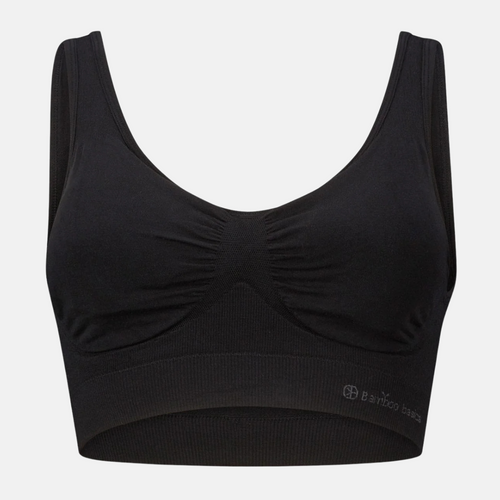
A narrow allowance gives the seam less fabric to hold on to. That is why the seam type must be good when the allowance is small. The seam must either cover well or lock the threads effectively, so a small allowance does not mean a weak join. See bamboo bodystockings and bamboo bras without underwire.
How wide is a typical allowance
In knitted underwear the seam allowance is typically between three and six millimetres, in outerwear often over a centimetre. The figures are not fixed rules, but they give a sense of the difference. If you see almost no fabric behind the seam, that is normal for underwear and no sign of a fault.
Can a garment be let out
Only a little. The seam allowance is rarely wide enough to give more than a couple of millimetres. That is why it is no solution if a garment has become too small. Choose the right size from the start, so you do not try to get more from a seam that has nothing more to give.
Why the factory does not just trim more
Because the seam then loses its grip in the fabric and can pull out. The factory therefore chooses an allowance that is as narrow as possible but still wide enough for the threads to hold on to. Go too far and the seam becomes a weak point that gives way at the first strain.
Looking after a narrow seam
Wash underwear according to the care label and avoid tugging at the seams when you put it on and take it off. Turn it inside out in the machine so the seams do not catch on other items. A narrow seam handles normal use well, but it has less in reserve if treated roughly.
Frequently asked questions
How wide is a typical seam allowance?
In knitted underwear between three and six millimetres, in outerwear often over a centimetre. The figures are typical values and not fixed rules for every garment.
Can I let a garment out?
Only a little. The seam allowance is rarely wide enough to give more than a couple of millimetres, so it is no solution for a size that is too small.
Why does the factory not just trim more away?
Because the seam then loses its grip in the fabric and can pull out. That is why an allowance is chosen that is as narrow as possible but still wide enough to hold.
See our range of Boody underwear.