Seams that hold and seams that do not
Short answer: Look for tight, even stitches and a seam that can stretch with the fabric. A tight, straight seam in knit fabric splits the first time you wear it.
What to look for
Turn the garment inside out and look at the stitches. They should sit close and even without gaps, and the edge should be closed so the fabric does not fray. Long, uneven stitches mean the seam was sewn quickly without much thought for durability.
The seam needs to stretch
In knit fabric, the seam needs to follow the fabric's stretch. An overlock or a flatlock can do that, because the thread sits in loops that give way. A straight seam cannot, and it splits where the garment stretches the most, usually at the shoulder and crotch.
The spots under the most strain
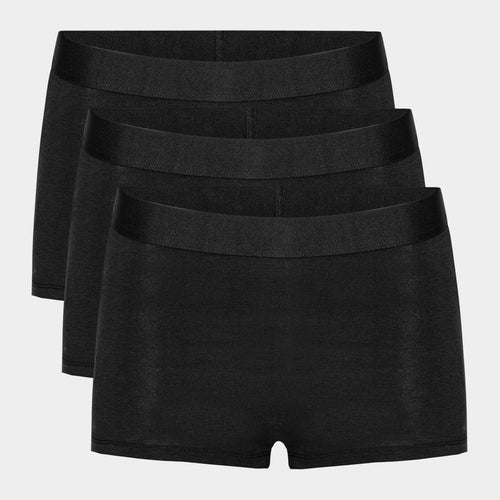
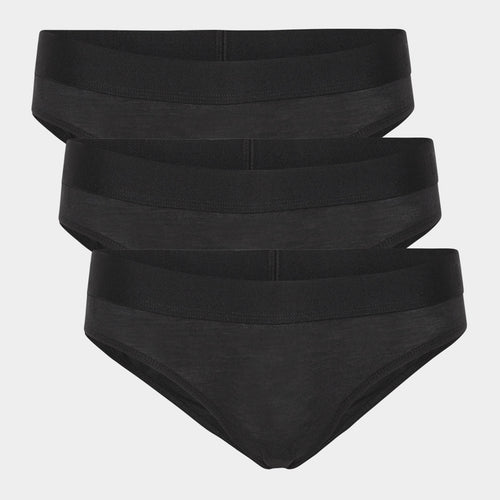
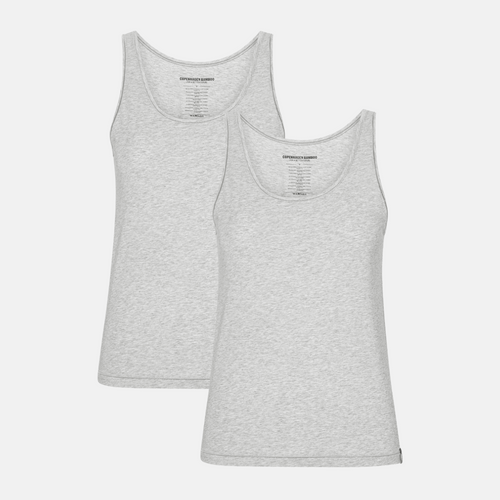
The crotch seam, armhole and neckline carry the most strain in daily wear. Check these three first, since they are the ones that tend to give out when the garment is worn a lot. See bamboo t-shirts for men, bamboo underwear for men and bamboo underwear for women.
The fabric matters too
A soft, elastic knit needs a seam that moves with it. If the fabric is stiffer, a straight seam can last longer, since there is less stretch to keep up with. Look at both things together, not the seam on its own.
Washing can reveal weak points
A seam that looks fine in the shop can turn out weak after a few washes. Turn the garment inside out again after a couple of washes and check whether the stitches still sit tight. Loose threads or small gaps are signs the seam is giving way.
Repair rather than discard
A split seam is rarely a reason to throw a garment out. Most seams can be sewn back together with an ordinary sewing machine or by hand, and that extends the garment's life noticeably without much effort.
When you can wait to act
If you spot a single loose thread without the seam having opened, it can often wait. Do not cut the thread, but sew it down next time the garment needs mending anyway, so it does not fray further.
How the seam lasts longest
Wash at a low temperature and avoid the tumble dryer where you can. Heat and movement in the dryer put more strain on the stitches and elastane in the seam over time than normal wear does.
Look at it as a whole
A good seam rarely stands alone. Look at fabric, seam and stitching together, since these three things decide together how long a garment lasts through daily wear and washing.
Frequently asked questions
How many stitches per centimetre is good
Four to six stitches per centimetre is common for a solid seam. Fewer stitches often mean the seam was sewn quickly and more loosely.
Can you tell if a seam is strong
Pull gently on the seam while watching it closely. If it gives a little without opening, it is stretchy and likely durable.
What do you do with a seam that has split
Sew it with small stitches and a little slack, so the thread can follow the fabric. A repair sewn too tight will split again soon.
You can find the full range at Bamboo-Clothing.com.