Shift work and a wardrobe that keeps up
Short answer: Shift work means dressing for four different daily rhythms within a single week. Two sets of clothes and a fixed routine around the actual changeover make the transition shorter and noticeably easier for the body to follow.
Two wardrobes instead of one
One set for the shift and another for sleep help the body tell work and rest apart. The split does not need to be expensive, only consistent, so the brain learns the signal and reacts faster each time you change.
Sleeping in thin sleepwear during the day
Daytime sleep runs warmer than night sleep because the house is active around you. Thin sleepwear in bamboo viscose eases the transition, since the fabric moves moisture instead of trapping heat you actually want to lose. See bamboo sleepwear.
A layer ready for the coldest hours
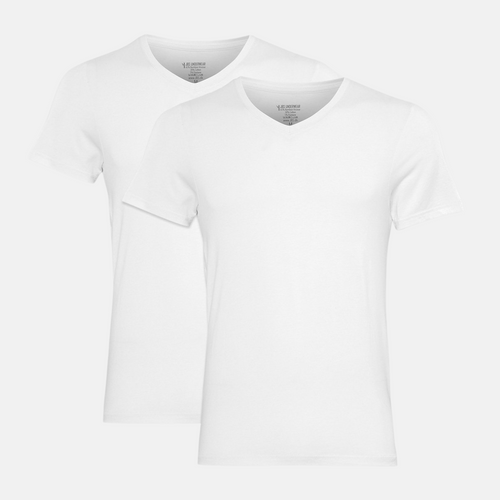
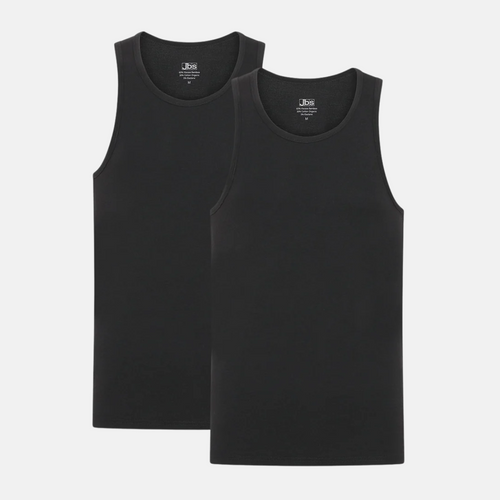
Buildings are often coldest around four in the morning, when the heating runs at its lowest. An extra layer kept in the locker is worth having, so you can put it on without leaving your post. See bamboo undershirt for men.
Always change clothes after the shift
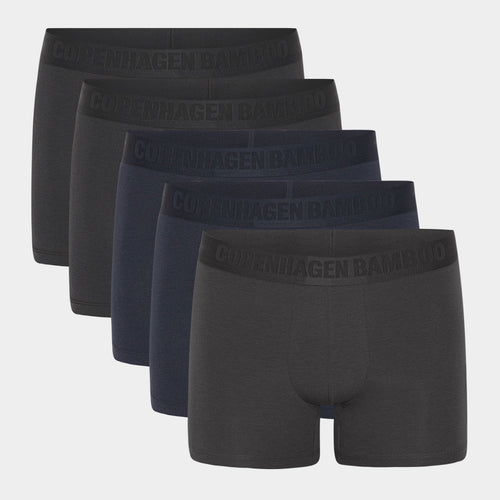
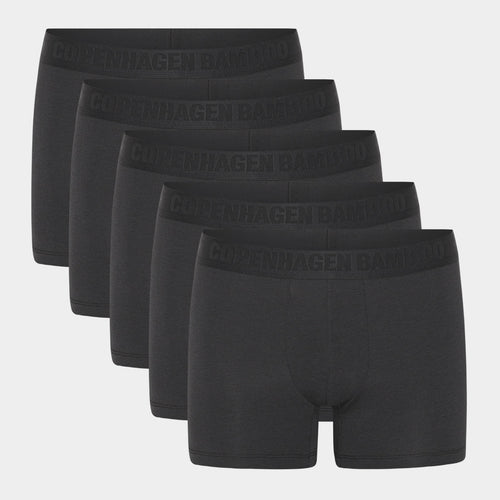
Changing clothes marks that the shift is over, whatever the clock outside might say. The body reads that signal better than the eyes do, and the routine makes it easier to settle down. See bamboo underwear for men.
Why the body struggles with changeovers
The internal clock follows light and habit, not the roster. Each time the rhythm flips, the body spends days resetting itself, which is exactly why fixed outer signals matter so much for how fast the change feels normal.
Build a fixed routine around the change
A short routine right before and right after the shift helps the body understand what is happening. It can be as simple as changing clothes in the same order every time, so the action becomes a recognisable signal.
Choose clothes that go on and off fast
With rotating shifts there is not always time for long decisions in front of the wardrobe. A few fixed bamboo combinations that work for both warmth and cold save time and make mornings or evenings less stressful. See bamboo clothing for men.
Pay extra attention to your feet at night
Blood flow to feet and hands drops when the body believes it is night, whether you are standing or sitting. Dry, thin socks under your shoes make a noticeable difference through the last stretch of a long shift.
Wash clothes often when used in rotation
Clothes worn alternately for shifts and sleep pick up sweat and skin cells faster than ordinary clothes. Wash at the temperature the fabric can handle, and let it air dry between uses so it is ready for the next change.
Frequently asked questions
How should you dress for shift work?
Two wardrobes, one for the shift and one for sleep, plus a layer you can add or remove as needed during the day.
What helps with daytime sleep?
Darkness, a cool room and thin sleepwear. Those three things you can control yourself, no matter when the rest of the house is awake.
Why change clothes after a shift?
Because it marks the transition clearly. The body reads the signal even when the clock outside says something quite different from the roster.
You can find the full range at Bamboo-Clothing.com.