Socks and cold feet and what lies behind it
Short answer: Cold feet are most often caused by low blood flow, a damp foot or a sock that squeezes. Each of the three can be dealt with on its own, and a small change of sock or shoe often does more than a thicker sock.
Squeezing is the easiest to fix
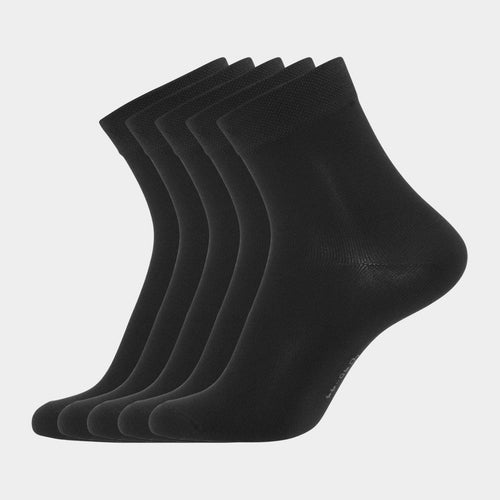
A tight cuff restricts blood flow to the foot. If you see a clear mark around your ankle or calf when you take the sock off, the edge is too tight. A sock with a soft edge that rests on the skin without pressing is the first thing to try. See bamboo support socks.
Moisture makes feet cold
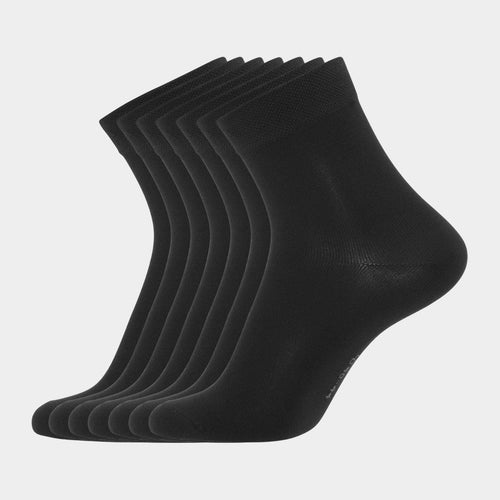
A damp foot loses heat quickly, because water conducts heat far better than air. Even slight dampness from sweat can make the foot cold within an hour. A material that moves moisture away from the skin keeps the foot drier and so warmer. See all bamboo socks for men.
Room in the shoe
A tight shoe squeezes out the air, and air is what insulates. A shoe half a size larger with the same sock can do more than a thicker sock. If you need a thick winter sock, try the shoe on with it before buying. If you cannot move your toes freely, the shoe is too small.
Thicker is not always warmer
A thick sock in a shoe without room presses the foot and makes it sweat. The result is a foot that is both cramped and damp, and it soon gets cold. A thin sock in a material that moves moisture, and a shoe with air around the foot, often hold warmth better.
Change socks during the day
If you stand or walk a lot, the sock gets damp over the day. A dry pair in the afternoon can make a big difference to how warm your feet feel for the rest of the day. Keep a spare pair in your bag, especially in winter when shoes can get wet from outside.
Movement keeps you warm
When you sit still for hours, blood flow to the feet drops. Stand up once an hour, walk a few steps or rock onto your toes while seated. Small movements get the blood going again and can give warmer feet without changing anything else.
Warm feet at night
Many people notice cold feet mostly in the evening and in bed. A thin, soft sock without a tight edge can help, as can a warm foot bath before bed. Avoid thick socks that make the foot sweat under the duvet, because then it gets cold again during the night.
When it persists
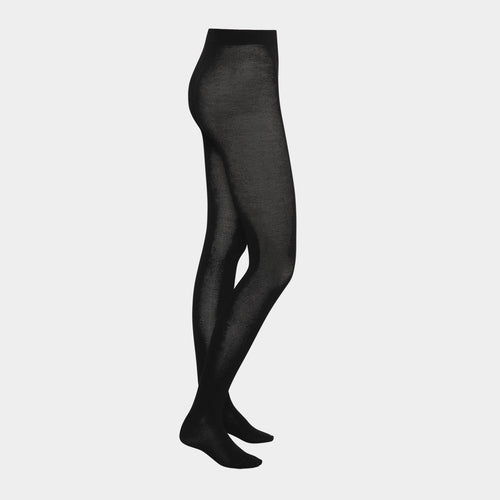
Persistent cold feet, numbness, tingling or discoloured toes should be mentioned to your doctor. Socks can ease things, but they do not treat a cause. This applies especially if only one foot is cold or if it came on suddenly. See all bamboo socks for women.
Look after your socks
A sock only moves moisture well while the fibres are clean. Wash at 40 degrees and skip fabric softener, which leaves a film on the fabric. Dry on low heat or on a rack so the cuff keeps its stretch and does not start to squeeze in a different way after many washes.
Frequently asked questions
Why are my feet always cold?
Usually because of low blood flow, moisture or socks that are too tight. Work through the three in that order, and talk to your doctor if it does not help.
Do thicker socks help?
Only if there is room in the shoe. Without room the insulating air is pushed out, and the foot ends up cramped and damp instead of warm.
When should you see a doctor?
With persistent cold, numbness, tingling or discoloured toes. Also if only one foot is cold, or if the problem came on suddenly without an obvious reason.
See our range of men's bamboo socks.