Sweat Wicking – How Moisture Transport Works in Clothing
Short answer: Sweat wicking means that the fabric moves moisture away from the skin to the surface, where it evaporates. Moisture wicking bamboo clothing does exactly that: the fibres pass the sweat on instead of holding it, so you stay dry and comfortable, on a busy day as well as a warm afternoon.
How moisture wicking works in clothing
When you sweat, the moisture needs to leave the skin before you feel clammy and cold. Fabrics with good wicking draw sweat into the fibres and on to the outside of the fabric, where the air can evaporate it. The faster that happens, the drier the clothing feels.
Why bamboo viscose is good at it
Bamboo viscose wicks well because its fibres absorb and release moisture quickly. The fabric does not stay wet against the skin but passes the moisture on. The fibres are also smooth and soft, so you get dryness without the stiff feel some sportswear has.
Why cotton falls short
Cotton soaks up sweat like a sponge and releases it slowly. The result is a wet top that clings to your back and turns cold when you stop moving. Cotton is fine for many things, but when you sweat, the ability to release moisture is what counts.
T-shirts for everyday wear
That is why many people switch to a bamboo T-shirt for men or a bamboo T-shirt for women for everyday wear. You notice the difference most on a warm day, on a crowded bus or climbing the stairs to the office, where a cotton top quickly turns clammy.
Underwear and socks
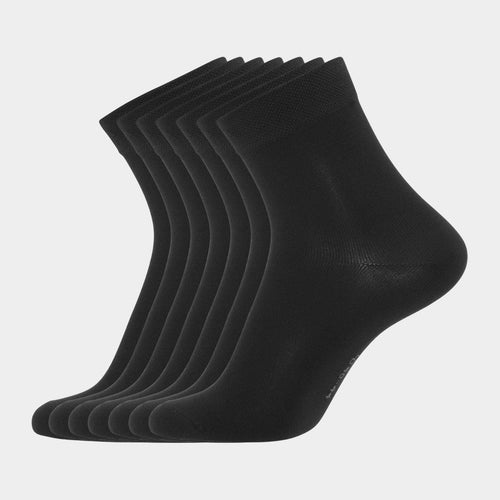
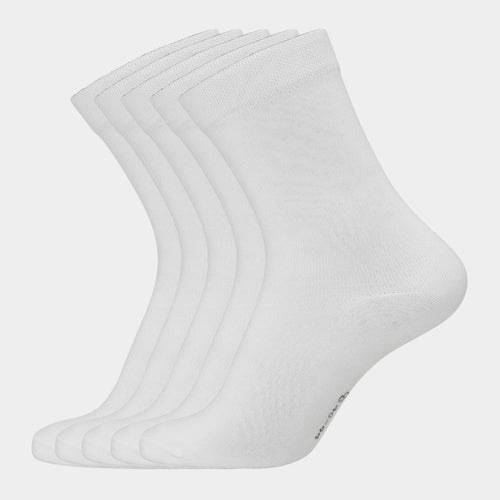
Wicking matters most closest to the body. Bamboo underwear for men keeps the skin dry all day, and bamboo socks for men move moisture away from feet that are otherwise shut inside shoes. In both places, drier skin also means less odour and less friction.
At night
Many people sweat more at night than they think. If you sleep warm, nightwear and bedding with good wicking can help keep your skin dry so you do not wake up clammy. Bamboo is popular here because the fabric is soft and lets moisture escape through the night.
For exercise
For walks, cycling and light exercise, bamboo works well because it wicks sweat and feels soft. For long, hard sessions, synthetic materials like polyester dry faster, so some people prefer them for that. Choose based on how much and how long you sweat.
Layer by layer
In winter, wicking is just as important. A base layer that moves sweat away keeps you warmer, because wet skin cools quickly. Wear a bamboo T-shirt or undershirt closest to the body and a warmer layer on top, so moisture can escape while the warmth stays.
Protect the wicking
Fabric softener coats the fibres and can weaken wicking over time. So wash bamboo clothing at 30 to 40 degrees with mild detergent and no fabric softener. Air dry it instead of using the tumble dryer, and the fibres keep both their softness and their ability to move moisture.
What wicking cannot do
Wicking does not remove sweat, it moves it. If you sweat heavily, your clothes can still get damp, but they feel drier and dry faster on the body than cotton. If you sweat unusually heavily for no reason, talk to your doctor, because clothing does not solve the cause. See also bamboo bedding and nightwear and bamboo for training.
Frequently asked questions
What does moisture wicking clothing mean?
It is clothing where the fabric moves sweat away from the skin to the surface, where it evaporates. It keeps you drier than clothing that soaks up and holds moisture.
Is bamboo better than cotton for sweat?
Yes, for most purposes. Cotton soaks up sweat and gets wet, while bamboo viscose absorbs and releases moisture quickly, so the clothing feels drier against the skin.
Can fabric softener ruin the wicking?
It can weaken it over time, because it leaves a film on the fibres. Wash bamboo clothing without fabric softener and air dry it to keep its properties.
See our range of bamboo t-shirts for women.