The drying symbols translated
Short answer: The square means drying, and a circle inside the square means tumble dryer. The dots in the circle show how hot the dryer may get, and the lines in the square show how the garment should hang or lie when you dry it without a machine.
The square is the drying itself
An empty square on the care label is about drying. The square is the basic shape, and everything else is drawn inside it or on top of it. Once you know the basic shape, you can read the rest of the row without looking anything up, because each added mark changes just one thing.
The circle means tumble dryer
A circle inside the square says the garment may go in the tumble dryer. If the circle is empty, nothing is said about heat, so pick the gentlest programme to be safe. The circle is only a yes or a no to the machine, and the details about temperature sit in the dots inside it.
The dots show the heat
One dot in the circle means low heat, and two dots mean normal heat. The more dots, the hotter the dryer may run. If you are unsure, choose fewer dots than the label allows, because gentler heat wears the fabric less, and the garment loses its shape and stretch less often.
The cross over the circle
A cross over the circle means the garment does not tolerate a tumble dryer, and that goes for many garments with elastane in them. Elastane loses its stretch when it is heated again and again. Follow the cross, because the damage only shows once the garment is already loose or short.
The vertical line
A vertical line inside the square means line drying, so the garment hangs while it dries. It is the most common way to dry, and it costs nothing. Hang the piece on a hanger or over a line so the air reaches it from all sides. See also our bamboo hoodie for men.
The horizontal line
A horizontal line means the garment should dry flat on a surface, for example a towel on a drying rack. Knitted garments are pulled long by their own weight when wet. Turn them once along the way so both sides dry evenly, and shape them lightly by hand before they lie still.
The slanted lines in the corner
Two slanted lines in the corner of the square mean drying in the shade. Direct sun can fade the colour, so the garment should dry out of sunlight, for example indoors or under a roof overhang. This matters most for dark colours, where a pale streak after a summer day on the balcony shows easily.
What you should choose
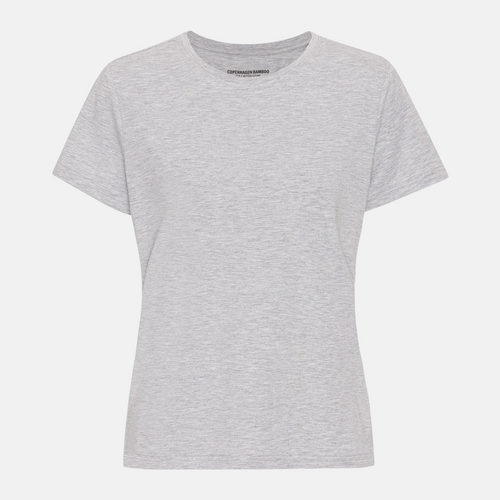
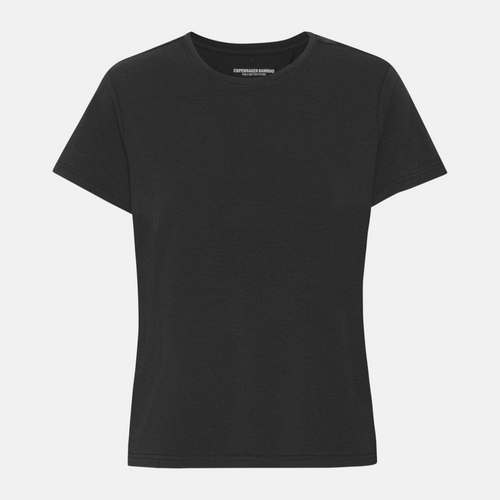
Line drying is safe for almost all bamboo clothing and costs nothing. Knitted garments should still lie flat, because they are pulled long by their own weight when wet. Read more about the bamboo jogging suit for men and the bamboo t-shirt for women, where the difference between hanging and flat drying is easy to see.
When the label is worn or missing
If the care label is unreadable or cut out, choose the gentlest option, meaning flat or on a hanger without the dryer. Being careful costs nothing, but a wrong guess can cost a lot. Write the symbols on a note the next time you buy something new.
Frequently asked questions
Why should knitted garments not hang?
They are pulled long by their own weight when wet. That is why you lay them flat on a surface, so the water does not stretch the fabric along the way.
Is a tumble dryer always harmful?
It wears more than air drying, especially on garments with elastane. The heat takes the stretch out of the elastic, so the safest choice is to follow the symbol on the label.
What does drying in the shade mean?
Direct sun can fade the colour, so the garment should dry away from sunlight. This matters most for dark colours, which quickly show pale streaks in the sun.
You can find the full range at Bamboo-Clothing.com.