The mattress protector you rarely think about
Short answer: A mattress protector catches sweat and skin cells before they reach the mattress. It can be washed, the mattress cannot, and that is the whole point of it.
The mattress cannot be washed
Everything that soaks through the sheet stays in the mattress forever, no matter how well you vacuum or air it out afterwards. A protector is the only layer that can actually be washed clean, and therefore the only layer that shields the mattress from years of sweat and skin cells. See bamboo bedding.
Wash it four times a year
A protector does not need washing weekly like a sheet, because it sits underneath and is not directly against the skin all night long. But four times a year is a minimum, more often if someone in the household sweats heavily at night or has an allergy to dust mites. See home homewear in bamboo.
Breathable instead of plastic coated
A plastic coated protector holds back moisture effectively, but also makes the bed warmer to sleep in, because air cannot circulate through the material at night. Choose breathable unless you specifically need waterproof protection, for example during illness or other situations where the risk of fluid is greater than usual. See bamboo towels.
Combined with sleepwear
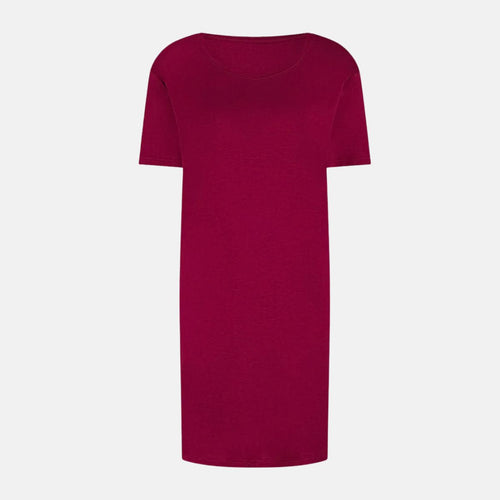
Sleepwear and a protector together keep the mattress clean the longest, because both catch sweat before it reaches all the way down to the mattress itself. The combination means the mattress can last noticeably longer without developing odor or stains, even after many years of daily use. See bamboo sleepwear.
The size needs to fit exactly
A protector that is too small slides out of place during the night and leaves parts of the mattress unprotected. Measure the mattress carefully before buying, and choose a model with elastic all the way around, so it stays put no matter how much you turn over at night.
Signs it is time to replace it
A protector that has become thin, lost its elasticity, or still smells after a hot wash is no longer protecting effectively. Most protectors last a couple of years with normal use, but should be replaced sooner with heavy daily sweating.
Allergies and dust mites
A protector significantly reduces the amount of dust mites, because it stops them from settling directly in the mattress itself. For people with allergies, a good protector can make a noticeable difference to sleep quality, without having to replace the entire mattress.
Wash at the correct temperature
Always follow the washing instructions on the protector, since too high a temperature can damage the elastic or the waterproof membrane on a plastic coated model. Most tolerate 60 degrees, but some models need a lower temperature to avoid damage over time.
Frequently asked questions
Why use a mattress protector?
Because the mattress cannot be washed. The protector catches sweat and skin cells and can go in the machine instead of the mattress.
How often should a mattress protector be washed?
At least four times a year. More often if you sweat heavily at night or have an allergy to dust mites.
Is a plastic coated protector better?
Only if you need waterproof protection. Otherwise it makes the bed warmer without any other benefit for your sleep.
You can find the full range at Bamboo-Clothing.com.