The same fabric and yet a different fit
Short answer: The fabric is only half the story. Cut, knit density and seam placement decide how a garment fits, even when the material composition is exactly the same. That is why two pieces made from the same fibre can feel very different on the body.
The fabric is only half
The material label names the fibre but not how it has been used. The same bamboo viscose can become a thin, soft t-shirt or a thick, firm one. So the percentages on the label are a good start, but they do not tell the whole story about fit.
What the cut does
Two garments in the same fabric can be cut from completely different patterns. A narrower pattern gives a closer fit in exactly the same fabric, while a wider one leaves more air around the body. The cut also decides sleeve length and neckline height. Compare cuts in bamboo t-shirts for men.
Knit density
The same fibre can be knitted loosely or tightly. A denser knit is heavier, less see-through and stretches less, while a looser one drapes softly and gives more. It feels like two different fabrics even though the fibre is the same. Feel the density by holding it to the light.
Where the seams sit
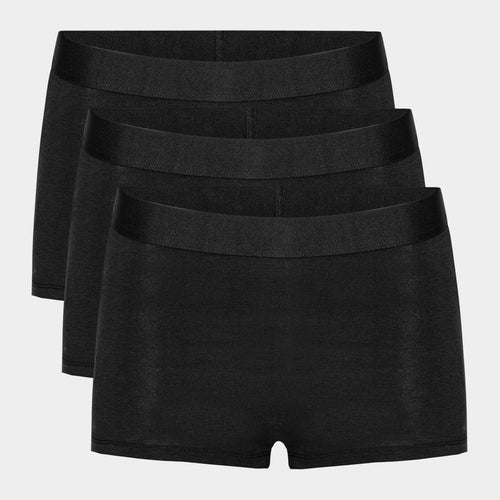
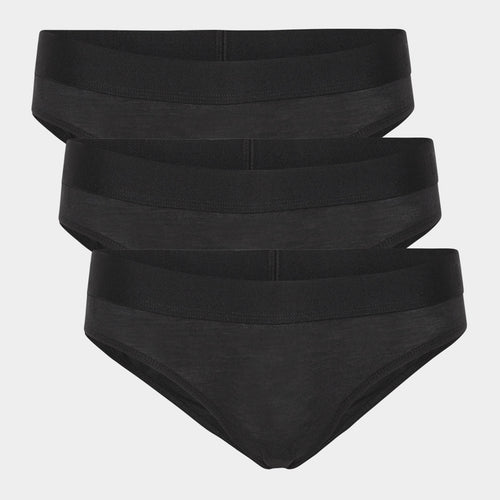
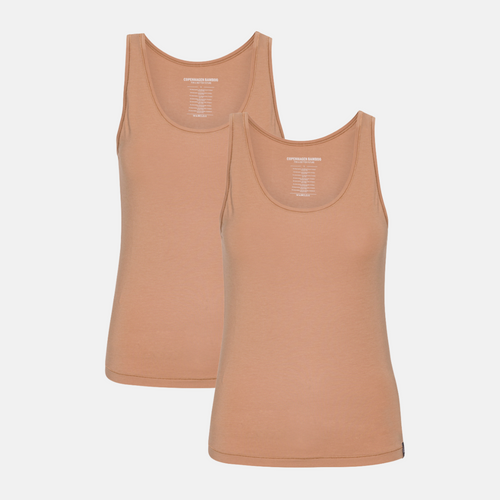
A side seam gives a garment shape and helps it follow the body. Tubular knit without a side seam gives a straight silhouette that falls more freely. Same fabric, two very different garments. Look at where the seams sit and how they are sewn. See bamboo clothing for women and bamboo underwear for women.
The label does not say everything
The label lists fibre shares but not yarn thickness, knit density or pattern width. Those three things change the fit most. A garment with a lower bamboo percentage can therefore fit better than one with a higher figure. Use the number as a first sort, and let the other things decide.
Weight and see-through
Fabric weight in grams per square metre is a better guide than the fibre percentage, if it is listed. A heavier fabric hangs differently and is less see-through, even when the fibre is identical. Hold the fabric to the light and see how much shows through before you settle on a colour.
Elastane in small amounts
A small share of elastane helps the garment follow the body and return to shape after wear. It changes the fit more than you might expect. Always compare the whole material label, not only the bamboo percentage. Two garments with the same bamboo share can fit very differently if only one has elastane.
How to compare
Compare three things: weight in grams, measurements in centimetres and how the fabric feels in the hand. Measure chest and length on a garment you already wear and compare with the size chart. That way you compare something you can check, not a letter that means something different from brand to brand.
Try and measure
If you are changing brand, buy one piece first and wear it for a few weeks. Wash it a couple of times and see whether the shape holds and it still fits the way you want. If you are happy, buy more. That way you avoid filling the drawer with something that fitted wrong.
Frequently asked questions
Can you see the fit from the material label?
No. It only names the fibre, not how it is used in knit and cut. That is why two garments with the same label can fit completely differently.
How do you compare, then?
By weight in grams, measurements in centimetres and how the fabric feels in the hand. Measure a garment you already wear and compare with the size chart.
Is a high bamboo percentage best?
Not in itself. Elastane in small amounts often improves the fit, so look at the whole material label rather than only the bamboo percentage.
You can find the full range at Bamboo-Clothing.com.